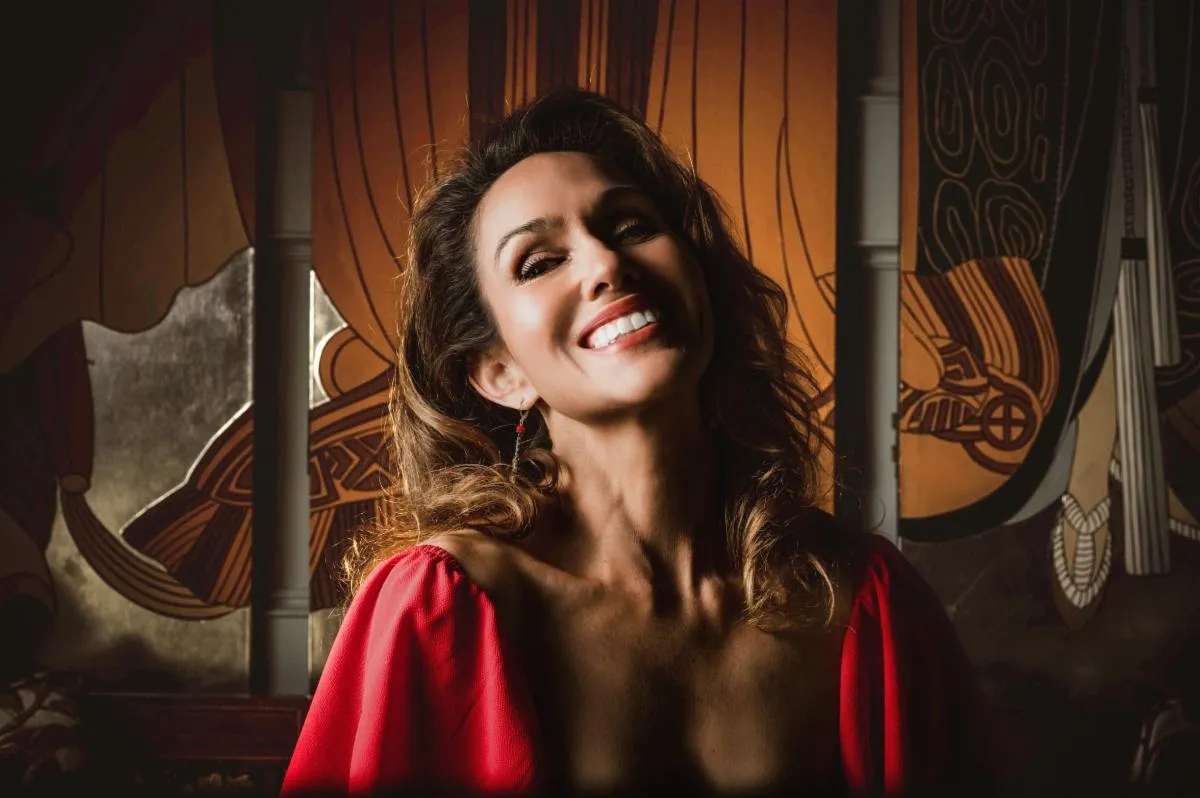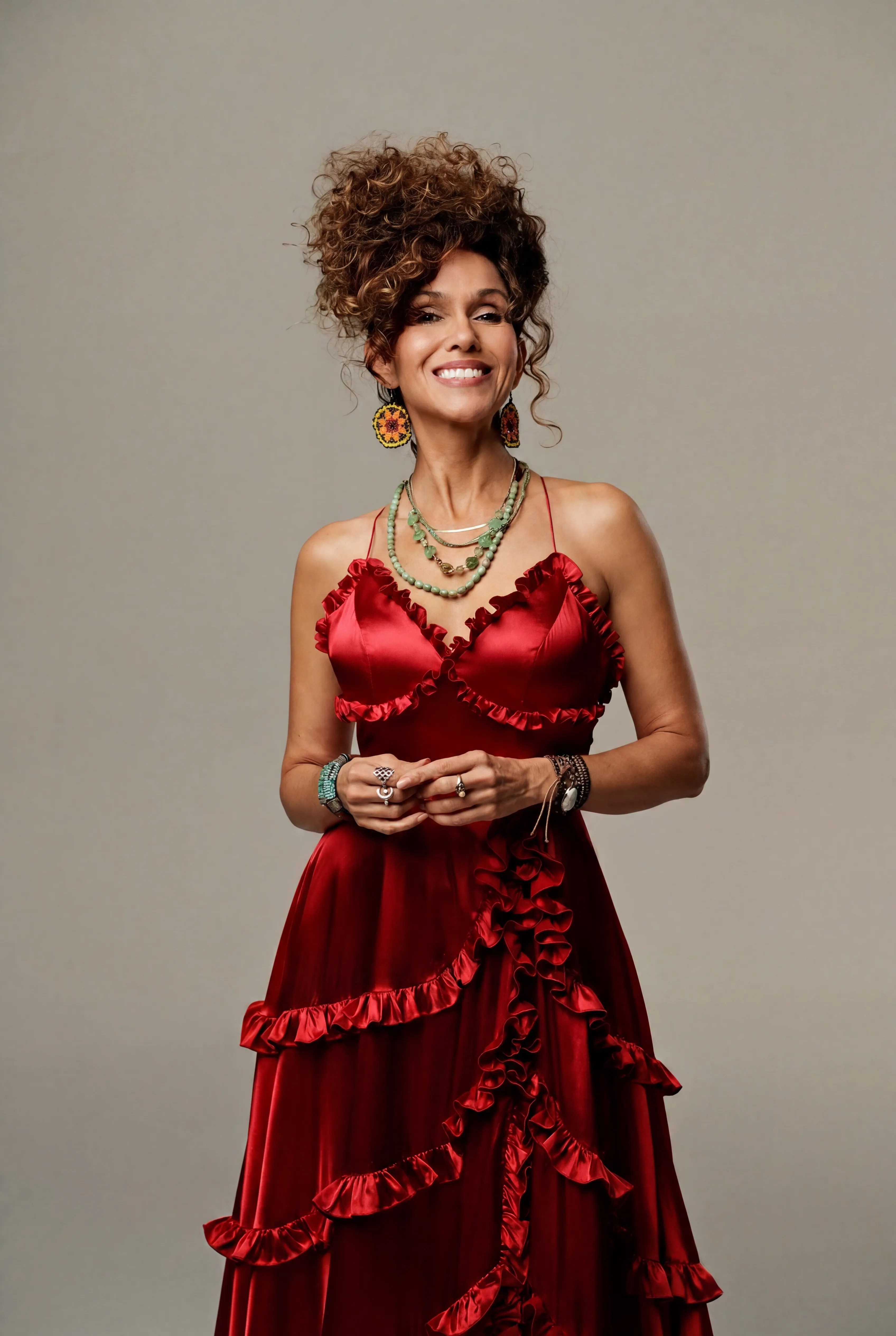
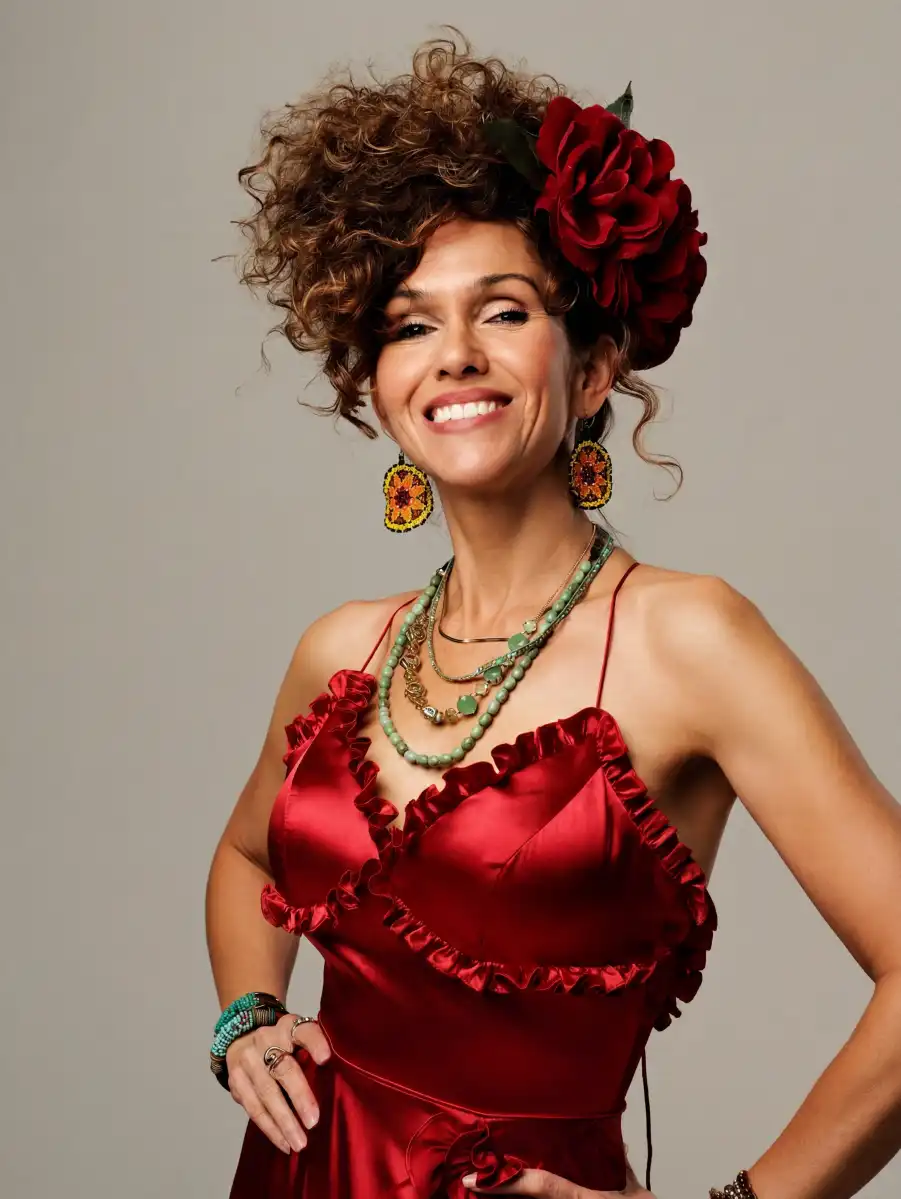
Estani Frizzell is turning a family legacy into her own musical proposal. A singer, songwriter and multi-genre artist, she grew up surrounded by the sounds of Conjunto, Tejano and traditional Mexican music thanks to the influence of her grandmother, Rosita Lopez, a renowned Conjunto singer of the 1960s and 1970s. Through her album Tú de Mí Te Acordarás, Frizzell has recovered songs from her grandmother and brought them to new generations with interpretations that respect tradition, but incorporate her own artistic sensibility.
His work has already earned him recognition such as the award for Best Traditional Latin Music at the 2025 Hollywood Independent Music Awards and a nomination at the 2026 InterContinental Music Awards for his original song Siempreverde. He also continues to expand his presence in the music industry, from his participation in Grammy House New York to new versions of familiar classics, such as Tú de Mí Te Acordarás en cumbia, and the recent video for Déjame en Paz alongside Max Baca & The Texmaniacs.
In this interview, Estani talks about her grandmother, the discovery of songs she thought were lost, her connection with the Conjunto and the challenge of bringing this genre to new audiences without losing its roots. Read the full interview and discover how a family story became the path to building her own artistic voice.
At a time when many Latin artists opt for more commercial genres, you decided to dedicate yourself to Conjunto music. Why did you feel it was important to preserve this legacy and what made you take on that challenge?
At first I started recording this music as a project for my grandmother, because during the pandemic I found her albums and thought I should record her songs again. I also wanted to make a film about Conjunto music for her, because she was going to turn 90. Although he didn’t want to record because he wasn’t feeling well, he supported me in the project. Then I interviewed a musician from Texas who had played with her in the ’60s and ’70s, and a lot of people started writing to me to share their own stories. There I felt that this type of music needed more visibility and I decided to promote the project to preserve and tell those stories.


You’ve said that your music seeks to honor the past while continuing to evolve. How do you find the balance between respecting tradition and creating something that connects with new generations?
I’m still trying to find that balance. I want to preserve the traditional sound of the Conjunto, but I also listen to new groups like Peso Pluma, Fuerza Regida, Intocable and Grupo Frontera, which incorporate elements of this music and bring them to new generations. When I interviewed students in a Conjunto class in San Antonio, I saw that they also look for that combination of tradition and new sounds. I think the Conjunto needs to evolve and reach a larger platform, because it is still very regional, especially on the Texas-Mexico border. I also want to do it especially for women, because there are not many singers in this genre.
Music is often a way to preserve the identity of immigrant families. What role has Conjunto music played in your family and what do you think it represents for the Mexican-American community today?
I am Mexican American; My mom is Mexican and my dad is American, and I always tried to connect with my roots on my mom’s side. My grandmother sang constantly at home and, during the pandemic, I found her records and later discovered more of her songs in the UCLA Chicano Studies La Frontera archive. That made me understand how much music from previous generations has been lost and how much heritage can still be recovered. I think these archives are very important because they preserve songs, books and stories of artists who never received the recognition they deserved and allow new generations to know their roots.

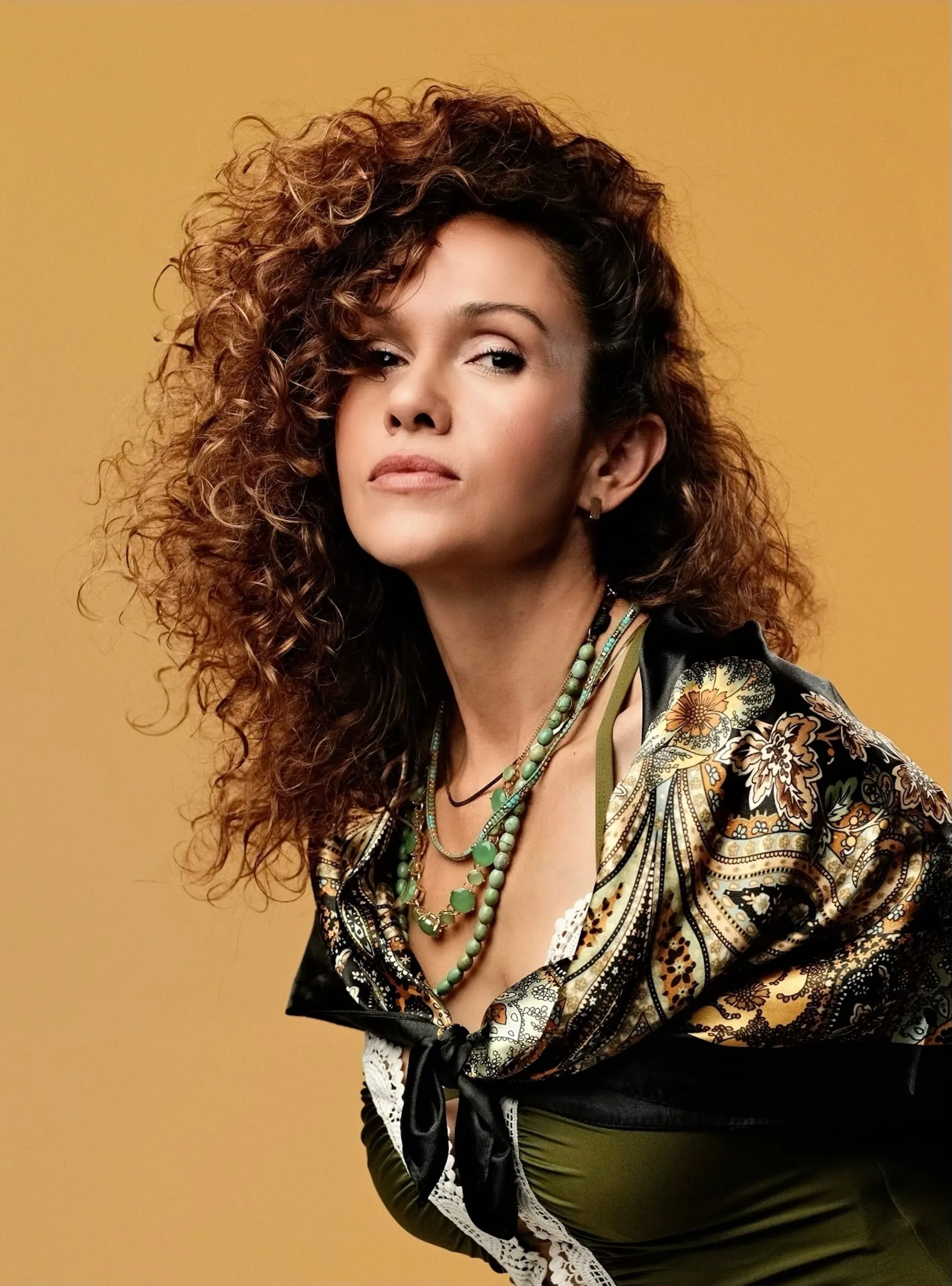
‘Siempreverde’ is the only original song from an album dedicated to your grandmother’s legacy and it just received an international nomination. What part of your personal history was captured in that song?
I was inspired by the songs of Linda Ronstadt, the huapangos and songs like La Llorona, which I listened to since I was little and which seemed beautiful to me, but also dark and mysterious. During the pandemic I decided to write a song with that feeling and I also incorporated the experience of losing my dad, who died suddenly in 2012. I imagined the story of a woman whose husband goes out to the forest to cut down evergreen trees and never returns, leaving his family waiting for him. The song was born from that story of loss, love and two souls that continue to search for each other.
You recently released a cumbia version of Tú de Mí Te Acordarás, a song that your grandmother recorded more than 50 years ago. What imaginary conversation do you feel like you’re having with her every time you perform that song?
I haven’t talked to her about this new version yet because she hasn’t heard it yet; I’m going to show it to you next week. He loved the first version of Tú de Mí Te Acordarás. I remember that during the launch of my album she appeared on the stairs when I started singing it and, although at first she said she didn’t want to sing because she felt hoarse, after the show she started singing in front of everyone with a very strong voice. He sang that song, Déjame en Paz and others from his album, and it surprised me because he remembered all of them.
At what point did you feel like you stopped being someone who paid tribute to a legacy and became an artist with your own voice?
I think it happened naturally. At first I repeated that it was a project for my grandmother because I didn’t want to leave her out, but I was also translating the songs and contributing my own interpretation. People know me as an artist who takes risks and wants to sing different styles if she can do it with her heart, and I love salsa, reggaeton, soul and R&B. If I can’t feel a music, I’m not going to sing it. I think that’s where I found my own artistic identity and an authentic way to connect with people, especially those who also want to recover and celebrate a family legacy.