
In the Latin American enclaves of Queens and Brooklyn, anticipation for the 2026 World Cup is beginning to grow.
From the vibrant “Little Colombia” in Jackson Heights to the Paraguayan restaurants of Sunnyside, to the Ecuadorian enclaves of Corona and the prominent Panamanian community of Brooklyn, the city’s Latin American neighborhoods are already buzzing with anticipation.
In many ways, these communities will be the ones that truly bring the World Cup experience to life in New York, as the high cost of tickets will limit many fans to attending games at MetLife Stadium, while the tournament schedule will leave several Latin American teams far from the city.
Although the World Cup could go almost unnoticed in the concrete jungle of Manhattan, the same will not happen in the other boroughs, where communities live and breathe for their national teams.
That national pride is evident in the Jackson Heights area known as “Little Colombia.” That enthusiasm has grown in recent weeks as the World Cup on American soil approaches.
The red, blue and yellow of the Colombian flag hangs from many of the businesses along 37th Avenue. With tickets to Colombia’s three group stage games among the most expensive in the tournament and no games scheduled in the Northeast, many Colombians in Queens plan to gather there over the summer. World Cup fever has already taken over the neighborhood.
Gustavo Estrada began selling World Cup merchandise from a small street stand in early May to take advantage of that euphoria.
He affirms that the proximity of the tournament has filled “Little Colombia” with “joy and euphoria.”
“It gives us a real boost, something we all need in the midst of so much news of wars and other things,” Estrada said. “This brings joy, brotherhood and harmony. It brings happiness to everyone.” The enthusiasm is especially visible among young people, he added, who have turned to figures like Lionel Messi and Cristiano Ronaldo in the run-up to the tournament.
“It’s wonderful to see how committed they are to something that builds camaraderie. Sports brings everyone together,” he said.
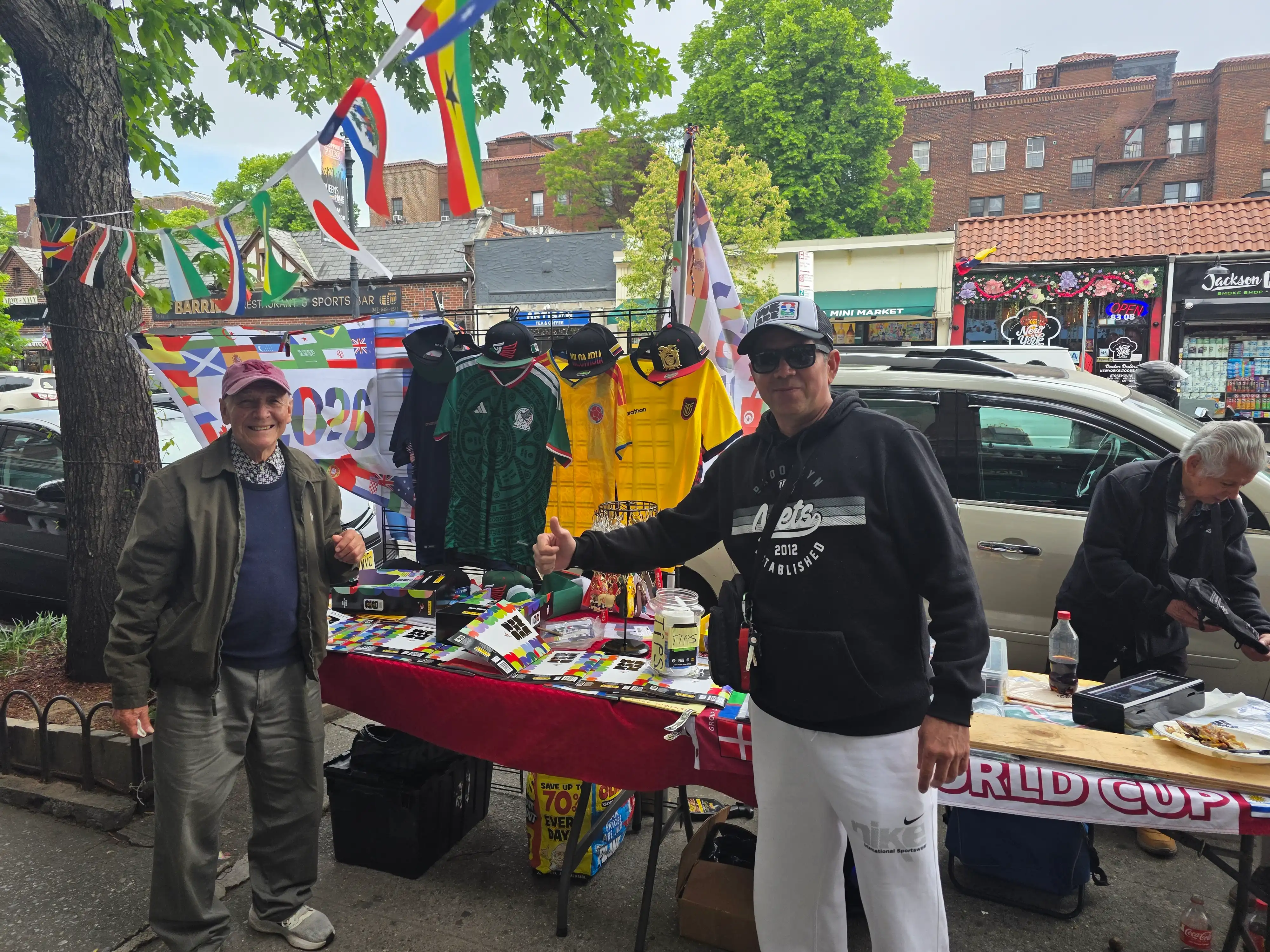
Estrada predicts that Jackson Heights will come to life when Colombia plays in the World Cup. As he spoke, a small group of fans nearby began spontaneously singing “Colombia.”
He also hopes that visitors from other areas will come to the neighborhood to experience the atmosphere, and assures that everyone will be welcome to the celebration.
Further east along 37th Avenue, the panorama changes: the Colombian flag gives way to the Ecuadorian one, and the Colombian enclave transforms into a vibrant Ecuadorian community in Corona.
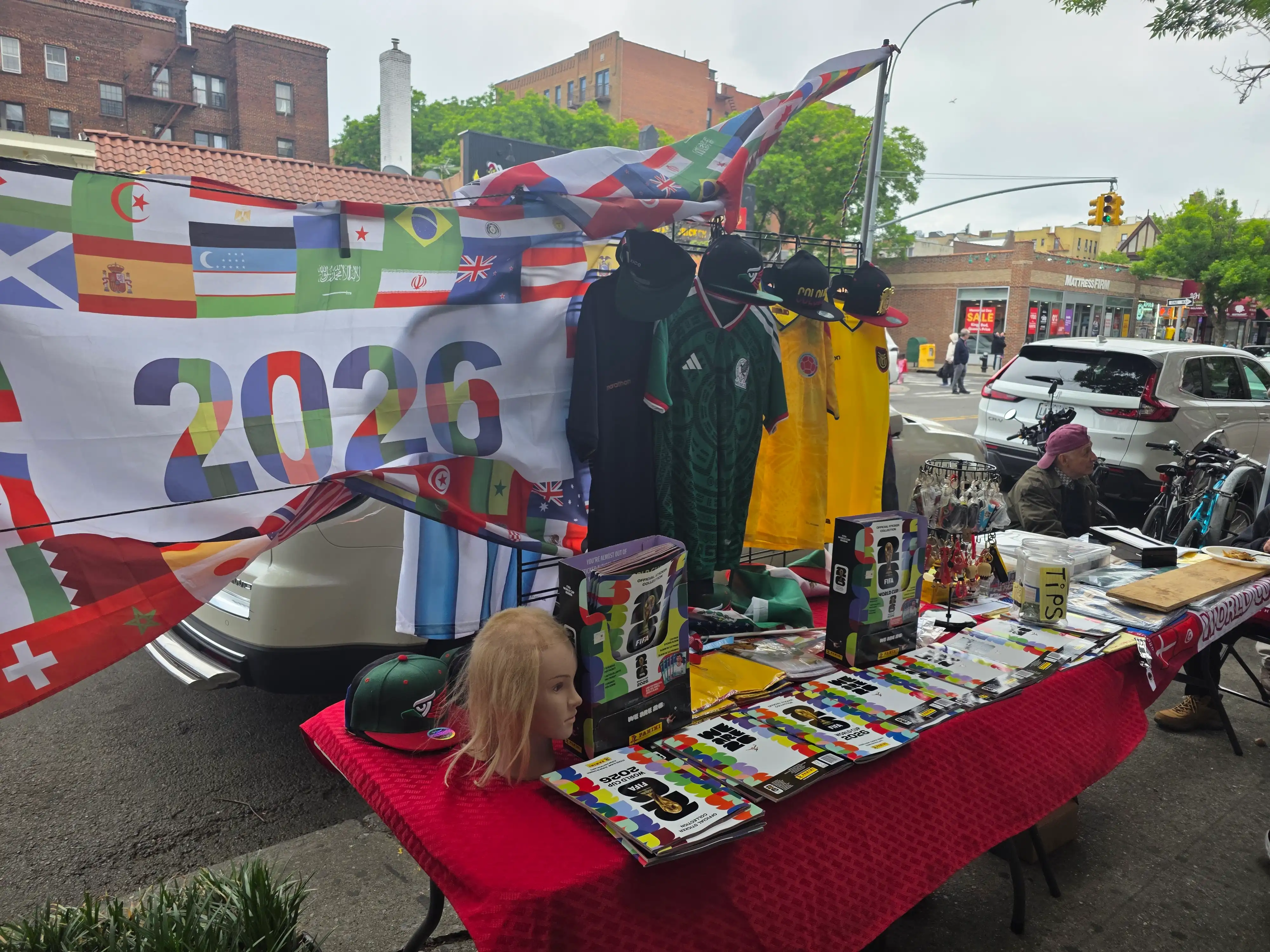
As in Little Colombia, Ecuadorian flags hang from all the businesses, while national team t-shirts are sold in unconventional places, such as money transfer stores with small attached stores.
Ecuador, unlike Colombia, will play a match at MetLife Stadium—against Germany on June 25—in addition to other group stage matches in Philadelphia. However, as with other teams with large communities in the United States, tickets for Ecuador are among the most expensive in the tournament, with resale prices reaching $992 for the match against Germany.
For this reason, in the streets of Corona, in “Little Ecuador”, a large part of the community will gather to experience a World Cup that increasingly seems unattainable.
Néstor Dutan, owner of the Ecuadorian restaurant Rincón Melania, with two locations in Queens, assures that the Ecuadorian communities of Jackson Heights and Corona have been full of enthusiasm for months.
Their restaurants are not in “Little Ecuador”: one is located in Sunnyside and the other in Maspeth. There he plans to organize the World Cup broadcast parties, since the Sunnyside location is not large enough for the demand it has received.
“For months now, many customers and community members have shown their excitement about the World Cup,” Dutan said.
He foresees a “summer to remember” in the Ecuadorian enclaves of Queens.
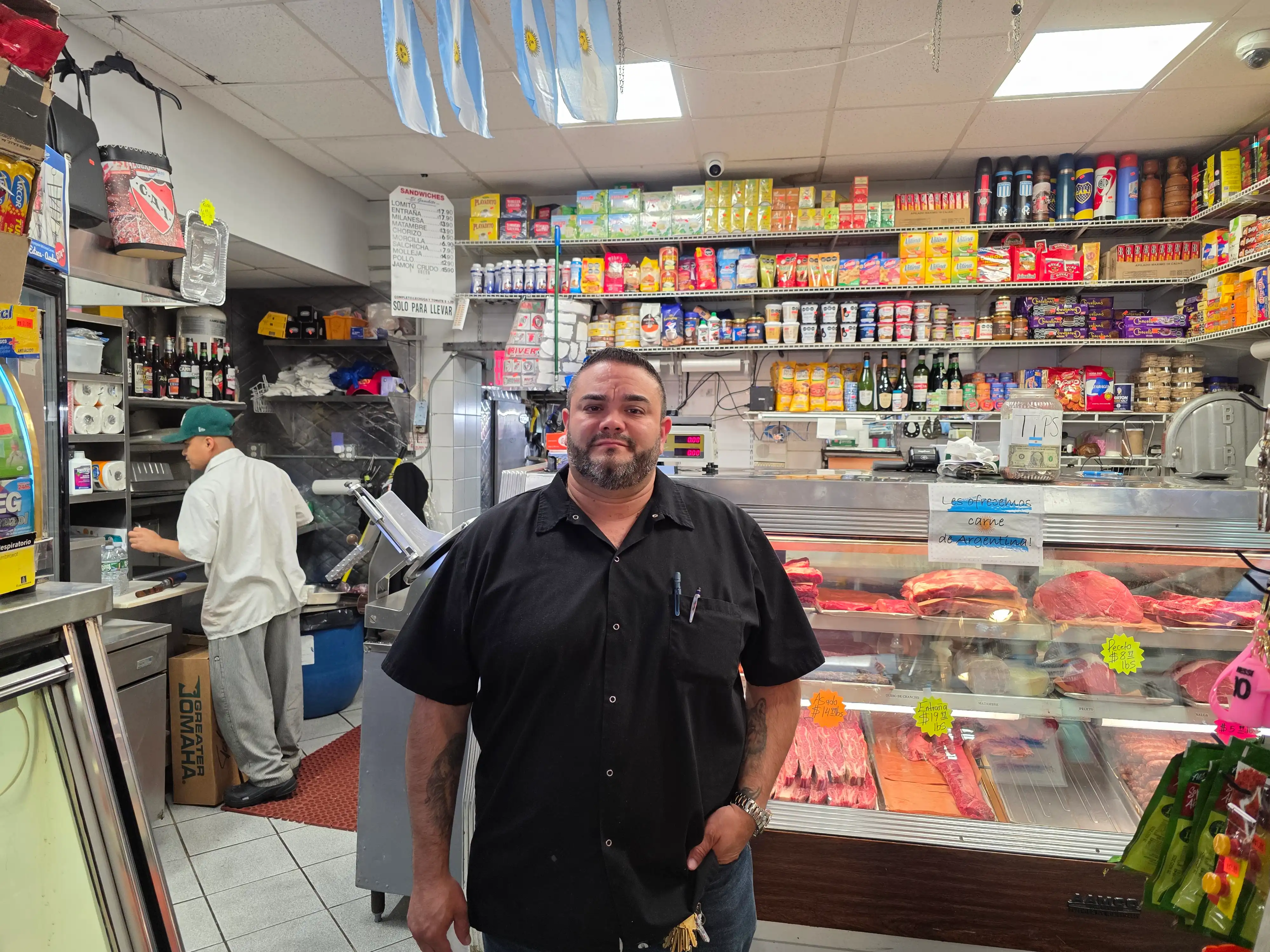
Across Roosevelt Avenue, in Elmhurst, is the small enclave of “Little Argentina.” There, Marcello Civelli, of the popular El Gauchito restaurant, also anticipates large crowds inside and outside the premises.
Civelli remembers the scenes of joy in December 2022, when Argentina won the World Cup on penalties against France, with many local Argentines celebrating in the streets of Corona despite the cold.
However, the status of world champion and the phenomenon of Lionel Messi have skyrocketed ticket prices, which today range between $800 and $1,000 on resale.
Given the high costs and trips to Arlington and Kansas City — where Argentina will play its games — Civelli believes that many local fans will choose to stay in the neighborhood.
“It’s very, very expensive to go to games,” he said. “The prices are overwhelming.”
Two of Argentina’s matches will end after El Gauchito’s usual closing time, but in response to demand, Civelli will keep the restaurant open both times.
“I’m going to have pizzas, empanadas and snacks,” he explained. “These games are very important for the Argentine community. I also have French friends who want to come see Argentina. Here you watch the game and then go out into the street to wave the flag… it is a place to celebrate.”
Civelli predicts that there will be many more people on Corona Avenue this year than in 2022, when the cold curtailed street celebrations.
“We want to be where the people are.”
Although Argentina arrives as world champion and favorite, not all Latin American teams leave with that status. Still, the enthusiasm does not diminish.
In Flatbush, Brooklyn, the Panamanian community is preparing for its second participation in a World Cup. Michelle’s Cocktail Lounge, a bastion of Panamanian culture for 54 years, will lead the celebrations.
In its 2018 debut, Panama did not score points, but its fans celebrated Felipe Baloy’s goal against England as if it were a historic victory.
Sherwin Johnson, owner of Michelle’s, anticipates similar scenes this summer in “Little Panama.” He plans to extend the venue’s hours during games.
“There are two games during the week; normally we close, but we will open,” he said. He added that the Panamanian community always fills the bar, even during friendlies, and expects even more support during the World Cup, with traditional street food included.
“Everyone comes dressed in red, and it’s a great opportunity to celebrate our culture.”
Panama will play a match at MetLife Stadium against England, which once again leaves tickets out of reach for many. Still, Flatbush will offer an authentic Panamanian atmosphere.
Johnson hopes that New Yorkers and visitors alike will come to the neighborhood.
“Our doors are open,” he said. “If Panama wins, there will be a celebration like never before, but in any case there will be a party. We are proud of the team.”
For Johnson, Panama’s qualification for the World Cup in the United States feels like a “perfect storm” for the community in Brooklyn.
“It means a lot to us,” he said. “The World Cup doesn’t come here every four years, and Panama doesn’t always qualify.”
“The cost of tickets is a concern, but these moments are better enjoyed in company.”
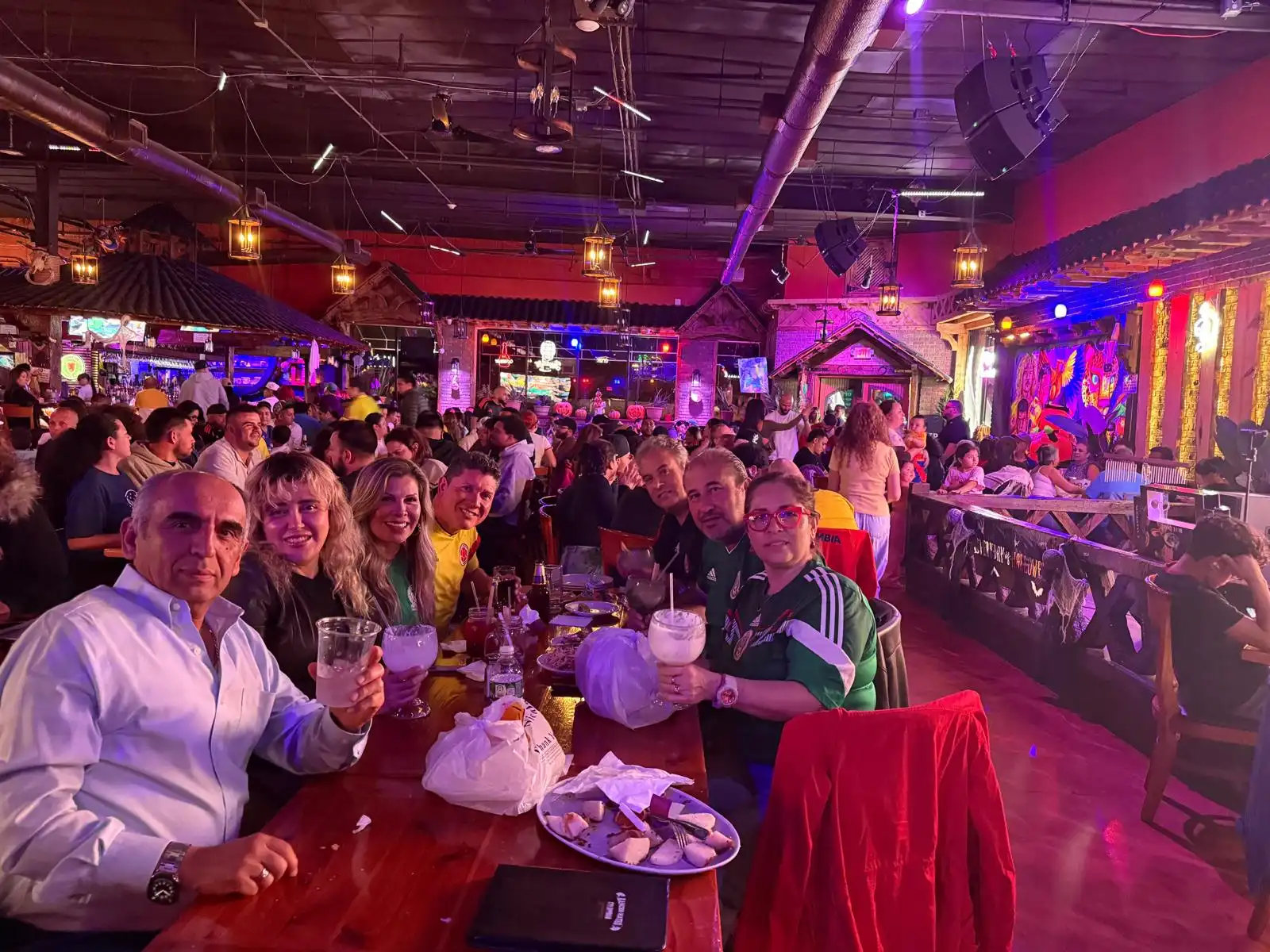
Meanwhile, Mexico will make history by becoming the first country to host the World Cup for the third time. The excitement has reached very high levels, reflected in the increase in ticket prices, which exceed $2,000 for some games.
For this reason, Mexican bars and restaurants in Queens and Brooklyn have become an accessible alternative.
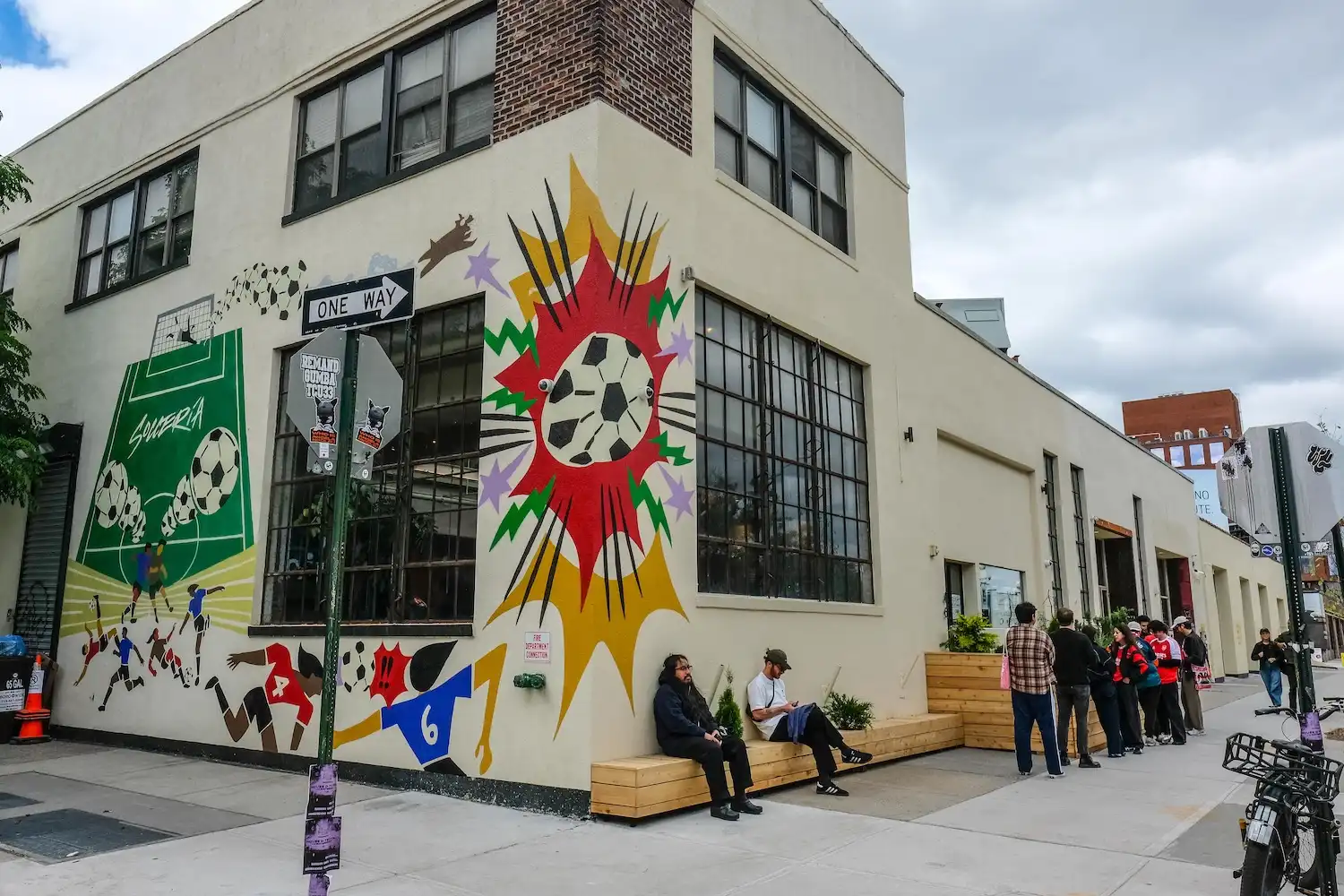
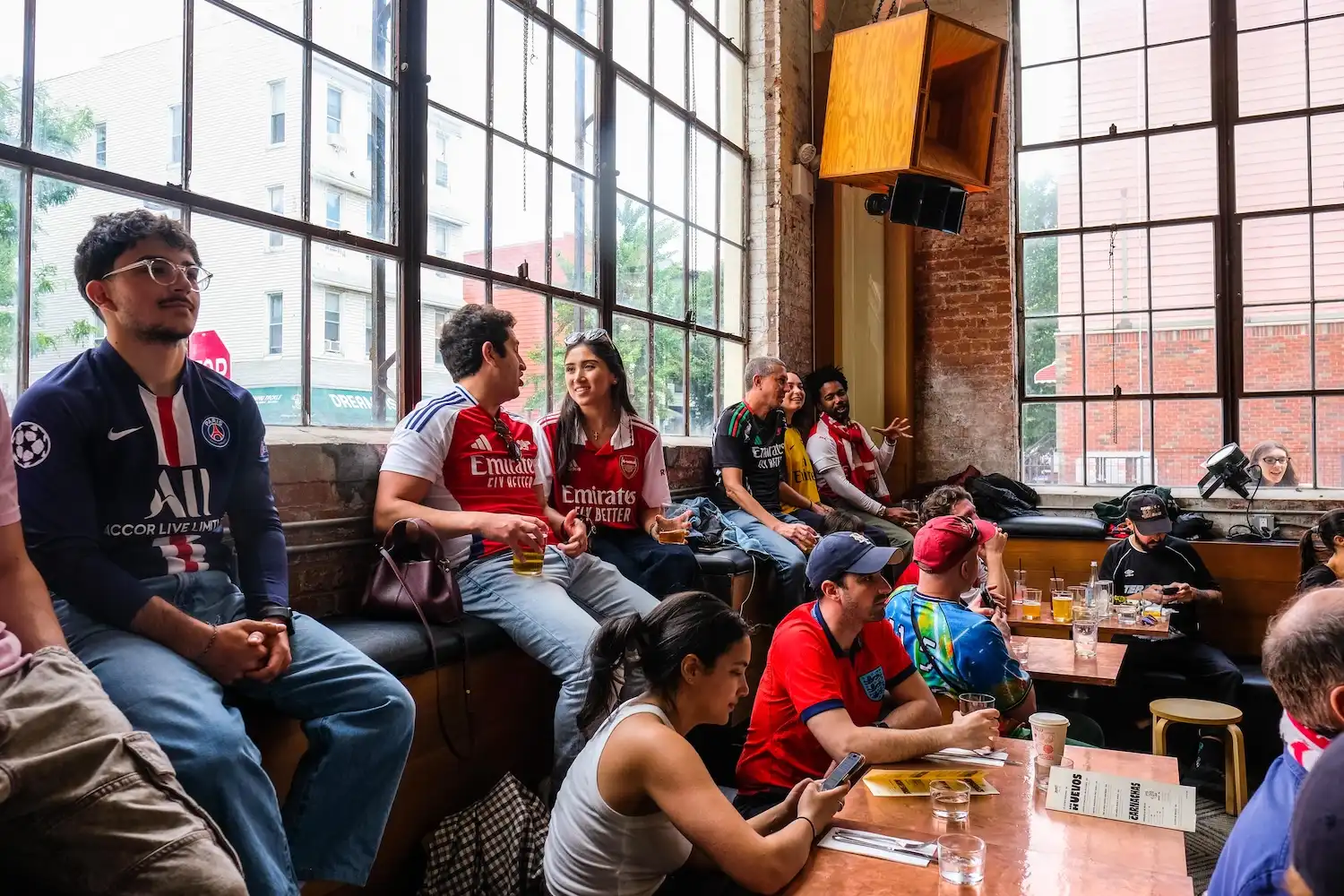
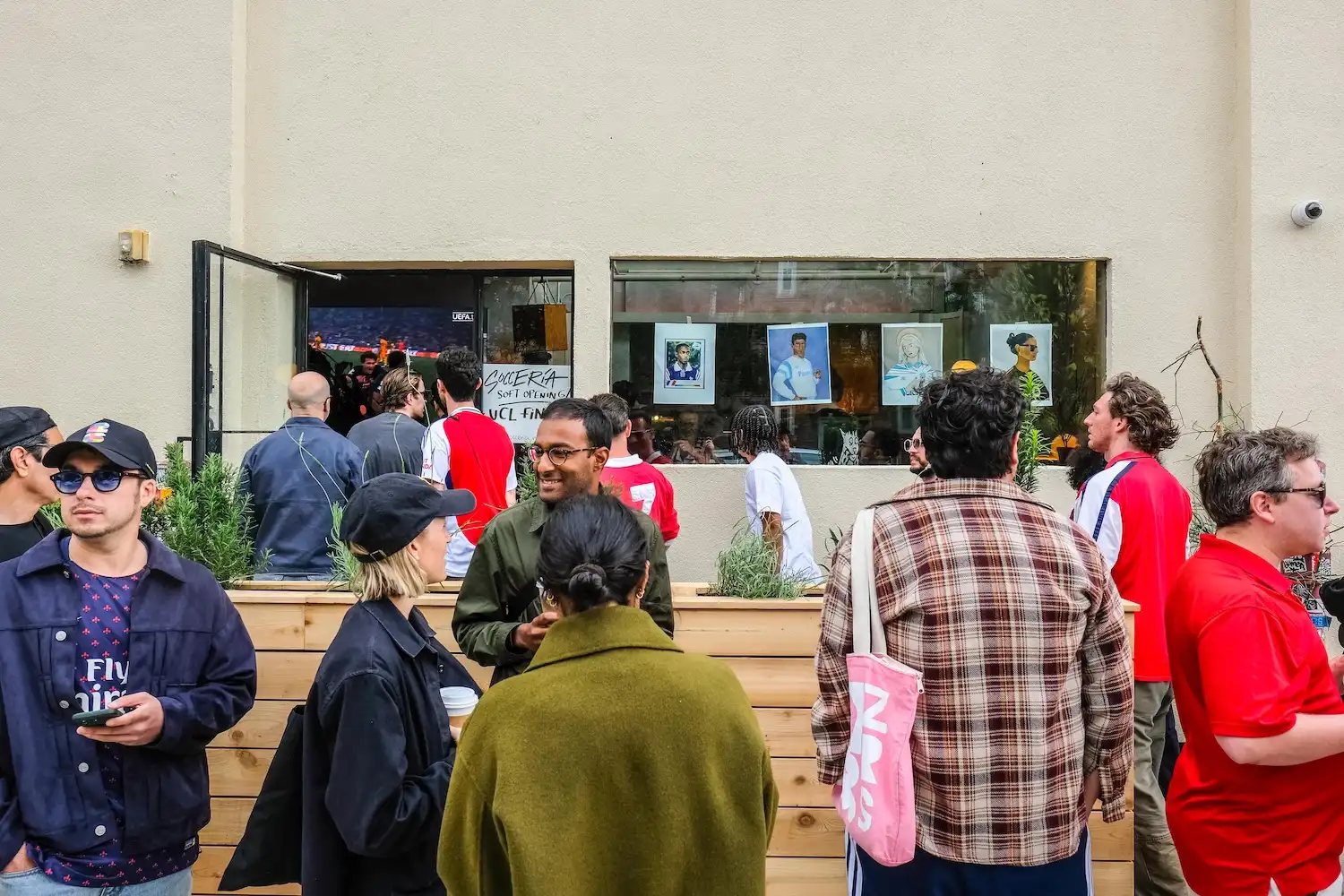
In Greenpoint, the new Socceria project, from the team at Taqueria Ramírez, opens just in time for the tournament.
Its co-founder, Tania Apolinar, expects a festive atmosphere from the opening match in Mexico.
“We like music and partying. There will be DJs depending on the games,” he said.
If Mexico advances, expect street celebrations similar to those of Knicks fans.
“We are known for partying,” he added, especially in neighborhoods with strong Mexican communities.
Even the smallest communities feel the excitement. The Paraguayan community in New York is small, but very active.
Ismael Román, owner of I Love Paraguay in Sunnyside, assures that his establishment is one of the few Paraguayan spaces in the state. Still, he has been receiving bookings to watch the World Cup for weeks.
With Paraguay debuting on June 12 against the United States, enthusiasm has reached its peak.
All of his games will be played on the West Coast, but Román wants to create an authentic New York atmosphere.
“We want everyone to support and enjoy every Paraguayan game,” he said.
He also expects visitors from other communities.
“Everyone is welcome. People of different nationalities always come to try our food. It is a unique experience.”