
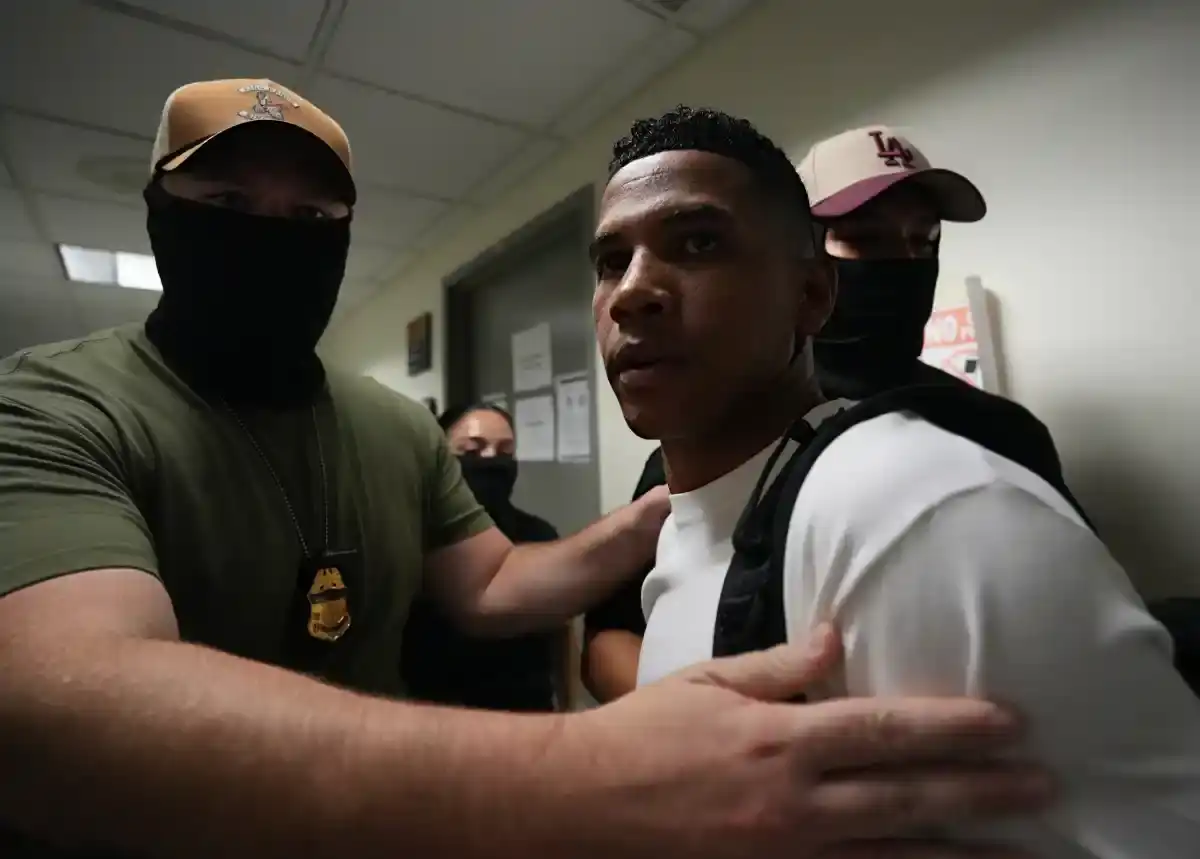
As New York State reports a historic reduction in gun violence, authorities seek to maintain the trust of immigrant communities, especially in New York City, where fear of possible ICE actions has raised concern among many families.
Shooting incidents that left people injured in communities participating in the state’s GIVE (Gun Involved Violence Elimination) initiative decreased 19 percent during the first half of 2026 compared to the same period last year. Shooting deaths dropped 48 percent, and 17 participating police departments recorded no gun homicides between January and June.
The GIVE initiative, administered by the New York State Division of Criminal Justice Services (DCJS), is implemented in 28 police departments outside of New York City. Although the program does not include the New York City Police Department (NYPD), DCJS Commissioner Rossana Rosado explained that some of the strategies used can serve as a model for communities in the city that continue to work to reduce violence.
“Yes. And I want to clarify that the state does allocate funds to the city of New York, but those resources are channeled through the city and other agencies, which are in charge of distributing them,” Rosado explained during an interview with Noticia NY.
Rosado, who before directing the DCJS spent more than three decades in journalism and was the first woman editor and later publisher and CEO of El Diario La Prensa, highlighted that the results of the GIVE program are the product of investments, evidence-based strategies and collaboration between authorities and communities.
“I think there were three main strategies. The first was to allocate the necessary resources. The governor significantly increased the investment to confront this problem,” he said.
The commissioner noted that public safety cannot depend solely on law enforcement and highlighted the importance of involving residents and community leaders.
“The most important thing has been to understand that public safety cannot fall solely on the police,” he said. “Results are achieved when police, sheriffs, prosecutors, community organizations and local leaders work together.”
Statistics go down, but the perception of insecurity continues
Rosado also acknowledged that official figures do not always reflect how communities that still face episodes of violence feel. The commissioner explained that, although the data shows a historical reduction, the perception of insecurity can remain when a person lives in a neighborhood where violent events continue to occur.
“I always say I have the data, we are in the data and we can prove that there are these historical rates. But if you live in a community that experiences violence every day, then you don’t feel safe because that happened yesterday in your community,” said Rosado.
The official pointed out that security must also be measured taking into account how residents feel and not only statistics.
“It’s the data, but it’s also how a community feels, feels safer,” he explained.
Rosado highlighted that part of the state investments have been directed to prevention programs for young people, with the aim of offering alternatives before they have their first contact with the justice system.
“Especially this money that the governor has increased each year has also gone to young people to provide opportunities, so that they have something to do after school and can see new trails,” he indicated.
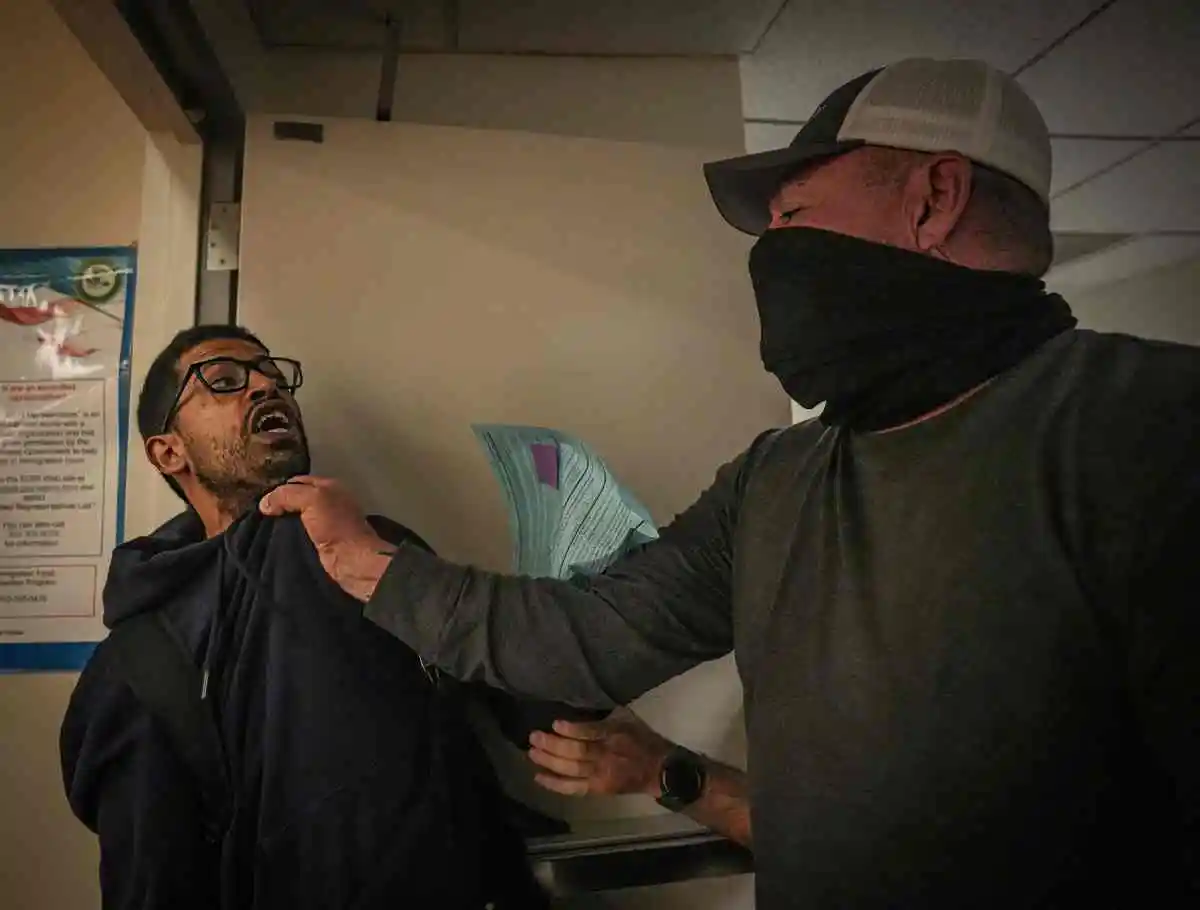
ICE and the trust of immigrant communities
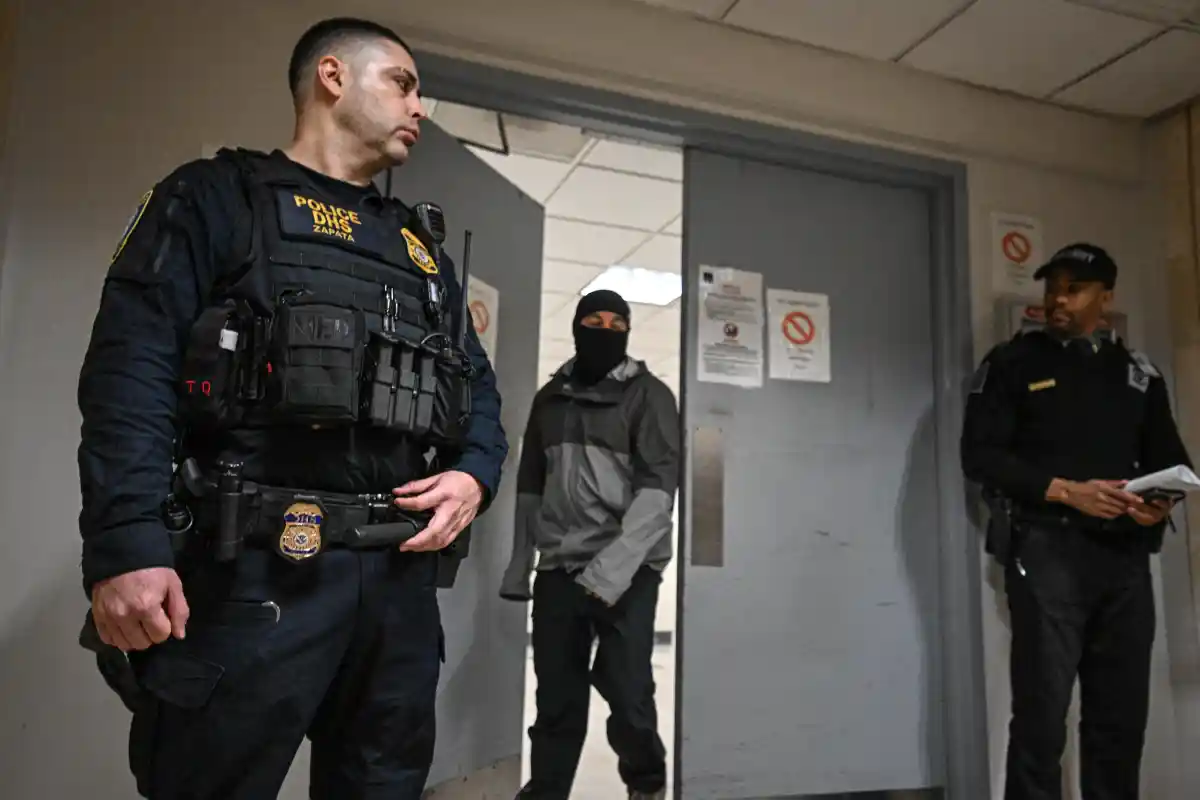
One of the main themes of the interview was the impact that ICE’s actions can have on the confidence of immigrant communities to report crimes or collaborate with authorities.
Rosado explained that DCJS does not collect immigration information from people who receive services.
“We do not request information about people’s immigration status to provide services. We do not want to collect that data or store it. That is important,” he said.
The commissioner explained that Governor Kathy Hochul’s position is to cooperate with federal authorities when dealing with people accused of committing crimes, but not to use state resources for civil immigration matters.
Regarding the Latino community, Rosado rejected the idea that immigrants do not collaborate with the authorities.
“I know the Latino community very well from my years in the media and I can say that there is a myth that it does not cooperate with the authorities. My experience shows the opposite,” he said.
“The Latin community is usually very collaborative. It is true that, due to the current immigration situation, many people feel afraid, but that does not mean that they do not want to help,” he added.
Rosado assured that maintaining that trust is essential for public safety.
“We want them to know that she is an ally and she has done everything possible to defend them,” he said, referring to Governor Hochul and her stance towards immigrant communities.
State strategies with possible applications in NYC
Although New York City faces a different reality due to its size and the structure of the NYPD, Rosado explained that the State is exploring how to adapt some community strategies used outside the city.
“What we have done recently is launch a pilot initiative in the Bronx. We are working with Councilwoman Pierina Sánchez to adapt some of the strategies that have worked in other parts of the state,” he said.
The commissioner explained that the objective is to evaluate this model and determine if it can later be applied in other communities in the city.
The commissioner highlighted that the reduction in crime rates opens space to strengthen preventive programs. “We are in a time where there is a historic drop in crime. And that gives us time to deal with prevention and everything,” he stated.
For Rosado, the current reduction in violence allows New York to focus more efforts on prevention.
“We now have an important opportunity because, being at a time of historic crime reduction, we can look beyond the immediate response and focus on preventing violence from occurring,” he said.
Rosado insisted that security also depends on strengthening communities and providing opportunities so that young people can build a stable future.