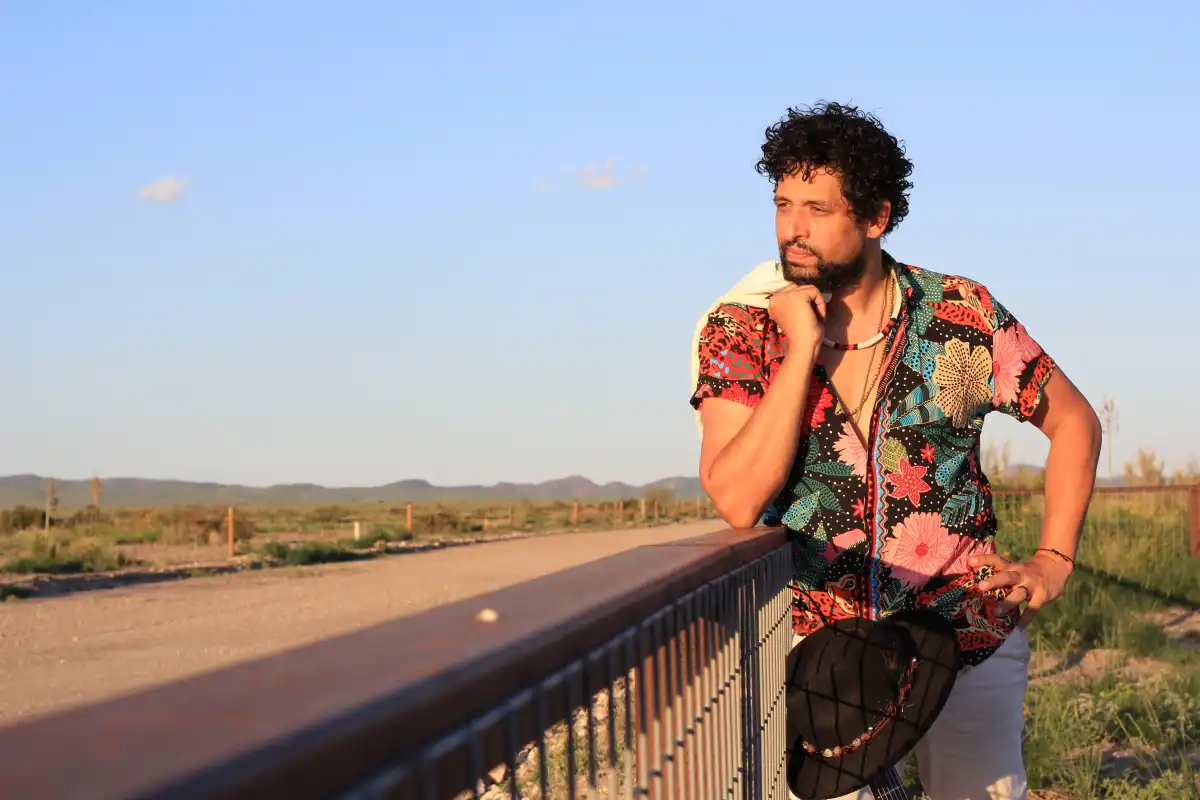

Can you carry an entire country inside your heart?
For Frederico7, the answer is yes. And Brasileirôu is the proof. His new album is born from a simple but powerful idea: Brazil is not only the place where he was born, but an energy, a memory and a way of facing life that accompanies him no matter where he is.
The Austin-based Brazilian-American artist and composer has spent more than two decades exploring the spaces between cultures. After Exotic Americano, his solo debut in 2019, Frederico7 returns with a project that brings together 12 songs created between Brazil and Texas and that combines Afro-Brazilian rhythms with soul, funk, bossa nova and other sounds that are part of his musical identity.
The result is an album that he describes as a “portal between worlds.” In conversation with Noticia NY, Frederico7 tells how he found the name Brasileirôu, what changed in it over the years and how his memories ended up becoming songs. Keep reading the full interview.
The title Brasileirôu seems to summarize a good part of your personal journey. At what point did you realize that this was the concept that tied all of these songs together?
Two years ago I was in Brazil, on a trip where I was showing my wife some of the places where I grew up. We were in a very beautiful place between São Paulo and Rio de Janeiro, in an area of the coast called the Green Coast.
I had the privilege of being there, in nature, and after a moment of meditation, of really being in contact with oneself, I thought: “Oh, Brazil, inside me.”
It doesn’t matter where you are in the world. I’ve lived in Mexico for several years and then I was in Austin, Texas, a city with a lot of live music. But I carry that carnival inside me.
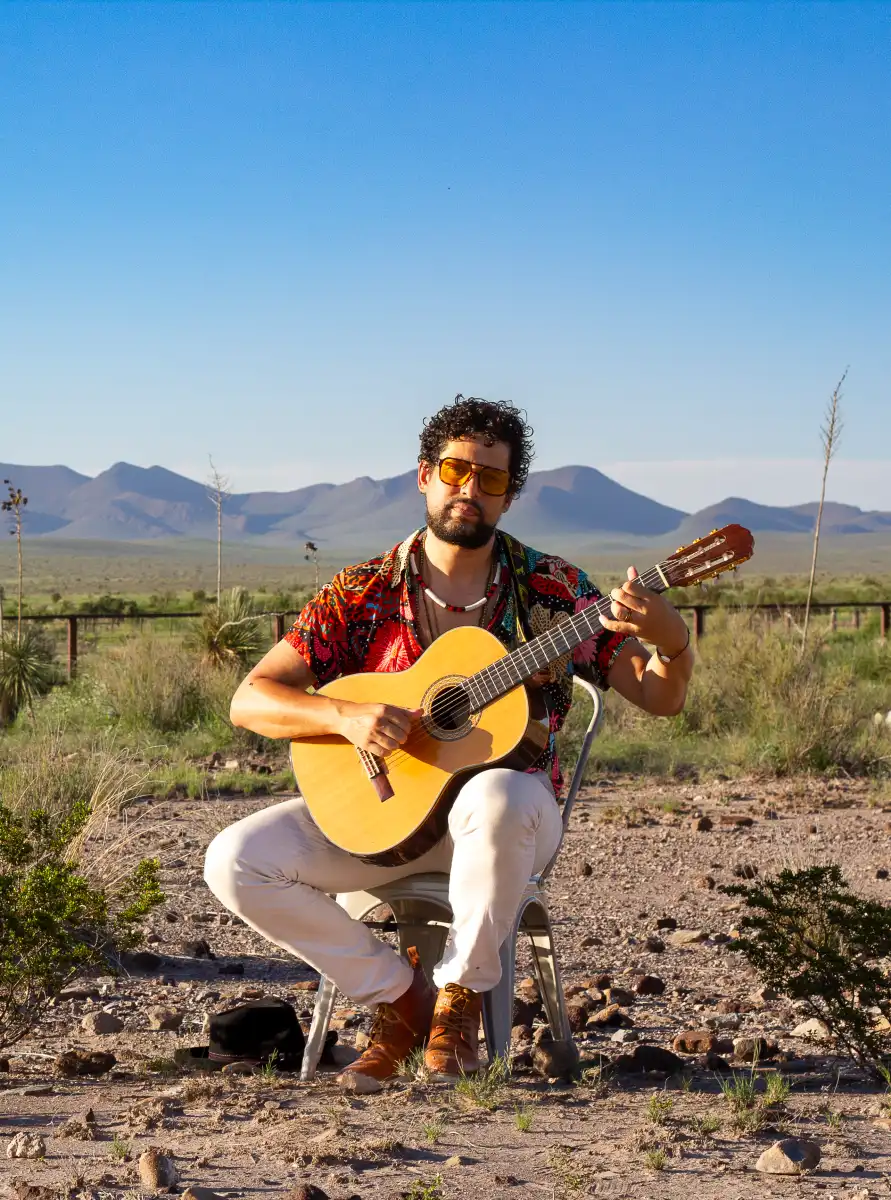
Some of these songs were written over almost 20 years. What was it like to return to songs created at such different stages of your life and discover that they still had something to say to you?
It was a very interesting process of telling a story. Many things come from musical intuition, from the vibration of the songs. But I understood that, for me, the personal mixes a lot with the universal.
I have changed a lot in those years. We have all been through a pandemic. I have been a father, I have seen my girls grow up and I have had my wife in my life. As we grow and our definition of who we are changes, those songs help me understand that trajectory.
As the wise say, one cannot know where one is going if one does not feel one’s roots.
Although they are universal themes, which we all go through, I put in them that vision and the tools that Brazilian culture gave me to go through all that.
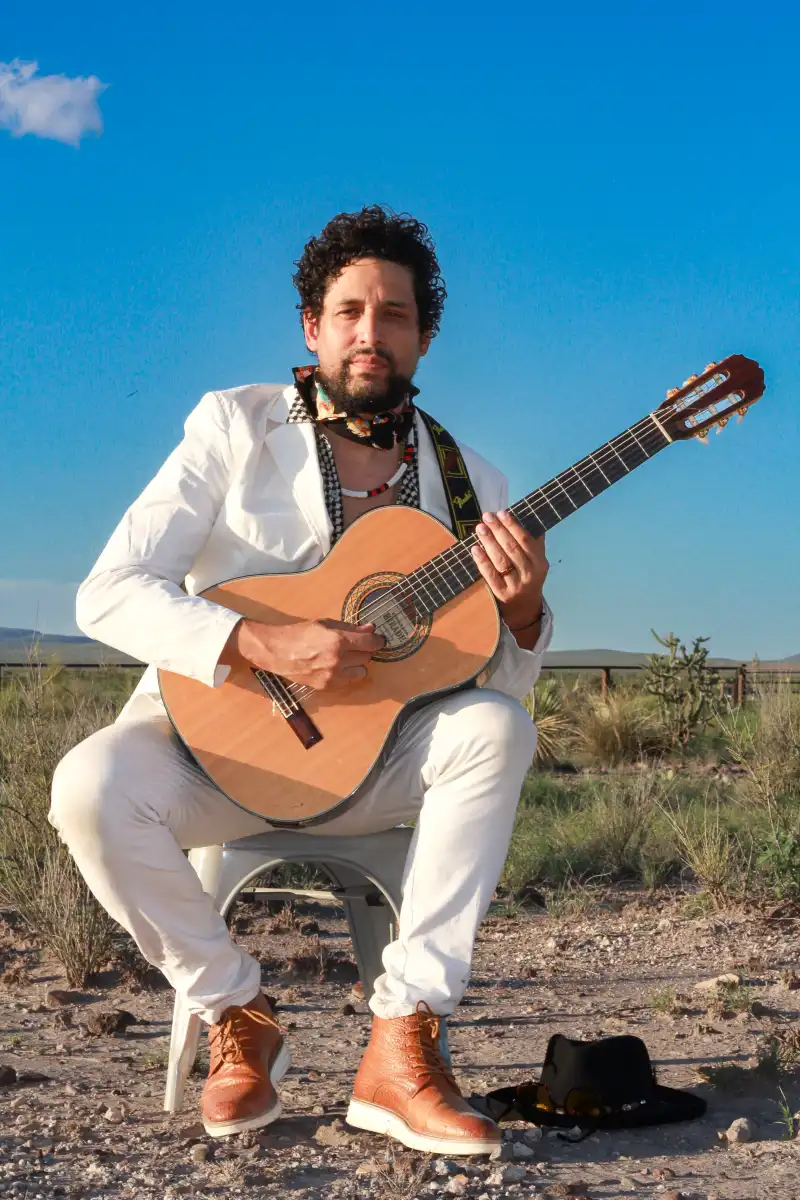
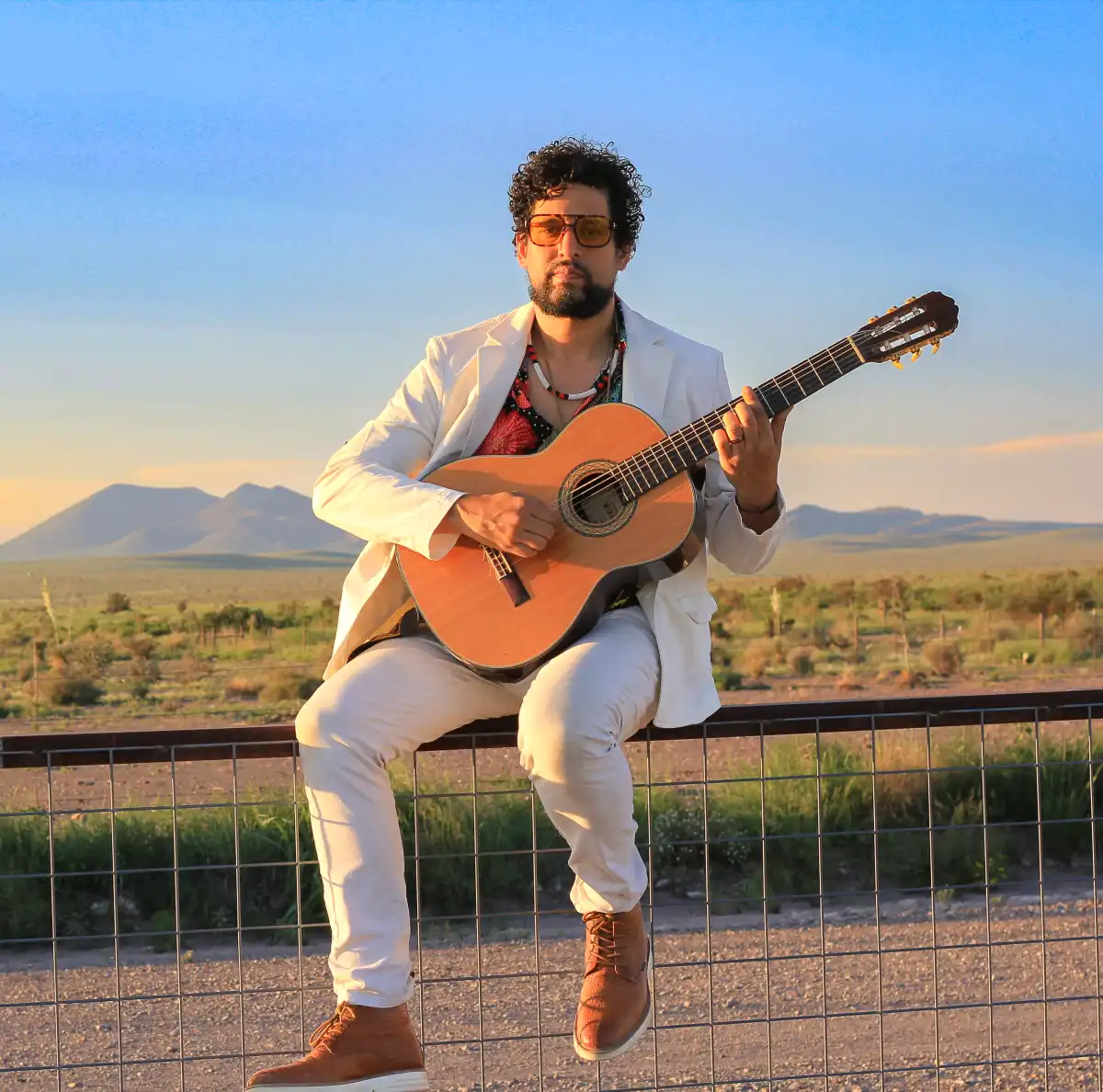
Is there a song on the album that means something completely different to you today than it did when you wrote it?
Oh, gee. Yes. The album has twelve songs: nine in Portuguese and three in English. One of the songs in English is the only cover on the album, a song by The Cure.
I played A Forest in my first band, when I was 17 years old. At that time I lived in Mexico City with my family. Brazil was going through an economic crisis and my stepfather received an offer to go to Mexico. For me it was an adventure: getting to know a new culture, learning a new language. I fell in love with Mexico.
With the friends I made, we played punk rock mixed with things from Latin America, and A Forest was in our repertoire. We didn’t play it very well, but I remember the feeling of being in a room doing a jam with people who had that passion for music.
Now, 35 years later, playing the same song again, but reimagined in a Brazilian style, was very special. I transformed the chords into a bossa nova style and added Brazilian percussion.
That song feels very different today, but it maintains that same passion for the things that give us pleasure. You have to have passion in life.
What elements of Brazilian music are present in the album in a way that perhaps the public does not immediately identify, but that for you are fundamental?
I went to the studio the first weekend of recording and there were only two musicians: me and the Brazilian percussionist Luiz Coutinho.
Luiz is an encyclopedia of African and Brazilian rhythms. He was born and raised in Rio de Janeiro and has been in Austin for many years. It was an opportunity to delve together into those Afro-Brazilian rhythms for each song.
That’s where the album was born: on my acoustic guitar, Luiz’s percussions and my voice. Then the band was added. At the heart of each song are my guitar, my voice and those rhythms.
There are also violins and parts orchestrated by a master of Brazilian scholar music. We have Africa in the rhythms and drums, and Portugal and Europe in the violins and wind instruments.
Brazil has many influences, and that is also within me. When I did my DNA test, roots from the Mediterranean, Italy, Greece and Egypt appeared, in addition to the native peoples of Brazil.
And, of course, there is also the American funk and soul of the 70s. We mix those vocabularies with Brazilian Popular Music. After all, I also live in Austin, and the album is a portal between worlds.
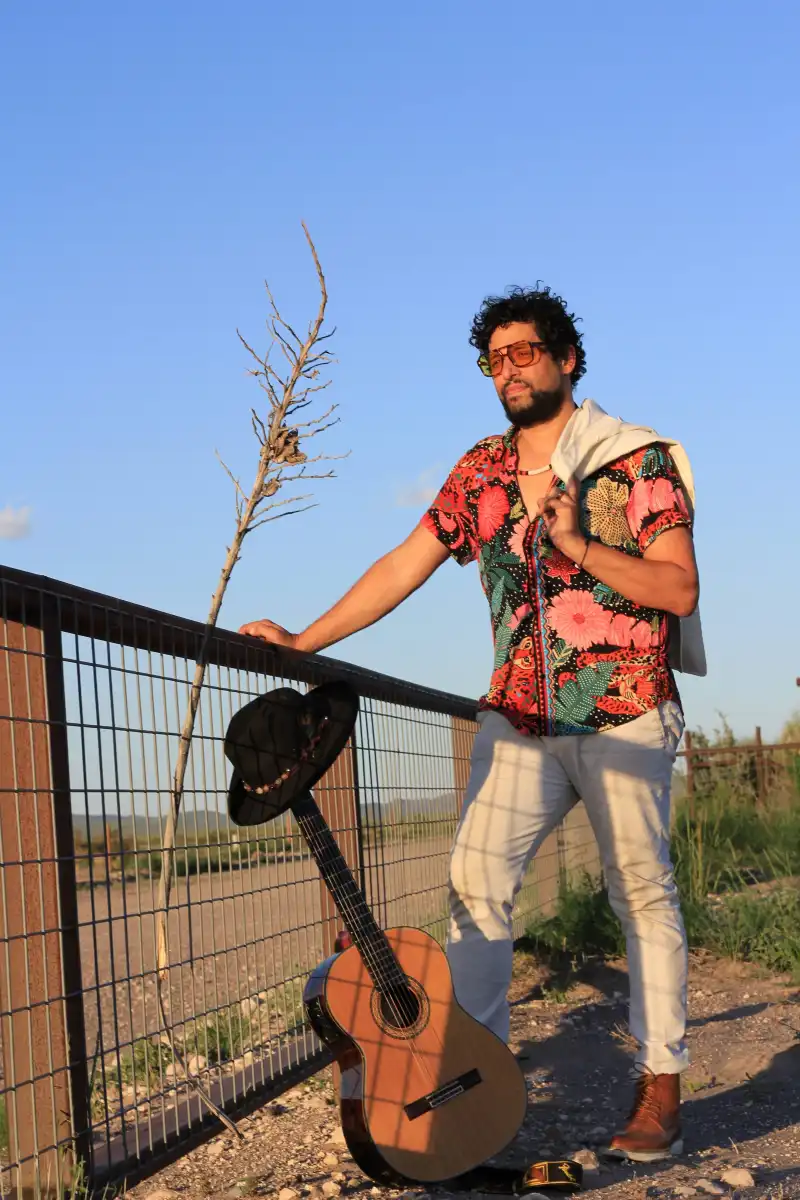

If you had to explain what “Brasileirôu” means to someone who has never heard the word, without talking about music, how would you explain it to them?
It means carrying Brazil in your heart. That joy we have, even when we face problems. Life’s problems are always there, but even when we are dealing with them, we have the samba.
So, Brazilian is to lead life with a little joy in your heart.
If Brasileirôu is, as you say, a “musical portal”, where do you want to take the listener when the last song ends?
The last topic is an open reflection for the person listening. Leave a space for everyone to fill in with something of themselves.
That’s something very nice about the album. Not only does it give you something, but it also gives you a space to feel. And that’s important nowadays, when we hardly listen to entire albums and many times we only listen to singles.
Listening to Brasileirôu from beginning to end gives you that opportunity to reflect on yourself.