
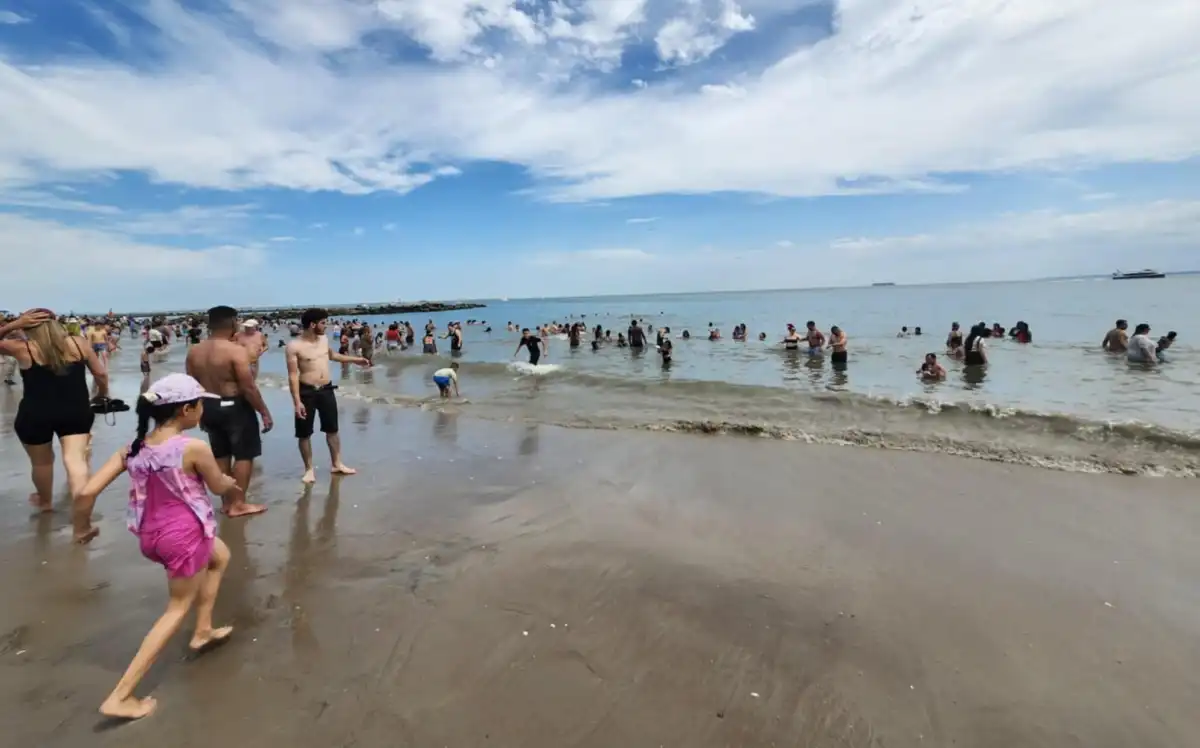
With summer underway, high outdoor temperatures may affect most of New York State.
The National Weather Service currently forecasts a high (to extreme) risk of heat-related impacts, so officials are urging residents to recognize the symptoms of heat illness and take steps to stay cool.
«Hot and humid environment at least until Friday, with maximum heat indices of between 95 and 103 degrees. “It is possible that these conditions will persist until Saturday,” they report from the National Weather Service (NWS).
“Showers and thunderstorms are expected during the afternoons and nights, which could generate intense downpours with the risk of localized flash flooding,” they warn the community.
Extreme heat is dangerous and is the leading cause of weather-related deaths in the United States. The most common heat-related illnesses this summer season are heat stroke, heat exhaustion, heat cramps, and heat rash.
Learn more about heat-related illnesses, including signs and symptoms, and when to take action, on the New York State Department of Health’s advice webpage at the link https://www.health.ny.gov/environmental/emergency/weather/hot/.
You can find information on how to manage extreme heat at https://www.dhses.ny.gov/extreme-heat.
To receive real-time weather and emergency alerts, residents are encouraged to text the name of their county or municipality to 333111 or visit https://www.dhses.ny.gov/emergency-alerts.
“The leading cause of climate-related death is extreme heat, but preparation, communication and other precautions can save lives,” said New York Governor Kathy Hochul, who emphasizes that at the state level “a whole-of-government approach is being implemented to keep New Yorkers safe and working to protect our most vulnerable populations.”
For its part, the NYS Department of Health is working with local health departments and emergency managers to ensure access to cooling centers and safe spaces during extreme heat.
Additionally, many State Park beaches and pools are open during this season. Visitors should call ahead to the park they plan to visit or inquire at https://parks.ny.gov/parks/ to know the schedules and operations.
Please note that changes in weather and water conditions may affect swimming conditions. Park status updates are also available in the free New York State Parks Explorer mobile app for iOS and Android devices.
Children and elderly at risk
As the heat sets in, New Yorkers should be aware of the impact that intense heat can have on people taking antipsychotics, who are at particular risk of heat stroke and neuroleptic malignant syndrome during periods of extreme heat, which is more likely in areas with poor ventilation. Children and older people are at greater risk.
The best way to prevent these conditions is to pay greater attention to hydration, especially in people at high risk, such as those taking antipsychotics, the elderly, children, and people with poor fluid intake.
In addition, they must remain in cool areas; be monitored in case the temperature increases; Avoid direct exposure to sunlight and wear protective clothing and sunscreen. Anticholinergic medications may interfere with sweating and should be minimized.
Hiking safety
Hiking or walking outdoors in the heat is always risky. Consider the following tips to prevent heat exhaustion and heat stroke:
– Reduce your pace.
– Drink water and rest frequently.
– Seek shade and avoid prolonged exposure to direct sunlight.
– Carry at least 2 liters of water for any hike.
– Carry a water filter, especially for long walks.
– Bring salty snacks to keep your electrolytes in check.
– Use sunscreen.
– Leave your pets at home; The heat affects them more, especially when walking on hot rocks.
– Consider staying home and rescheduling the hike for another day when weather conditions improve.
– Whether you’re hiking, mountain biking, or paddling, Hike Smart NY can help you prepare with a list of 10 essentials, guidance on what to wear, and tips for planning your trip with safety and sustainability in mind. In case of emergency, call 9-1-1. To request ranger assistance, call 1-833-NYS-RANGERS.
Pet care
New Yorkers should properly plan for the care of their pets to ensure their safety during periods of extreme heat:
– Provide plenty of water both indoors and outdoors.
– Limit outdoor activity and, if done outdoors, rest in shady areas regularly.
– Be aware of pavement temperature: Hot surfaces can cause paw burns, so consider walking on grass or wearing pet boots.
– Never leave your pets unattended in vehicles when heat is a risk.
– Know the signs of heat stroke in pets, such as excessive panting, drooling, lethargy, vomiting and stumbling.