
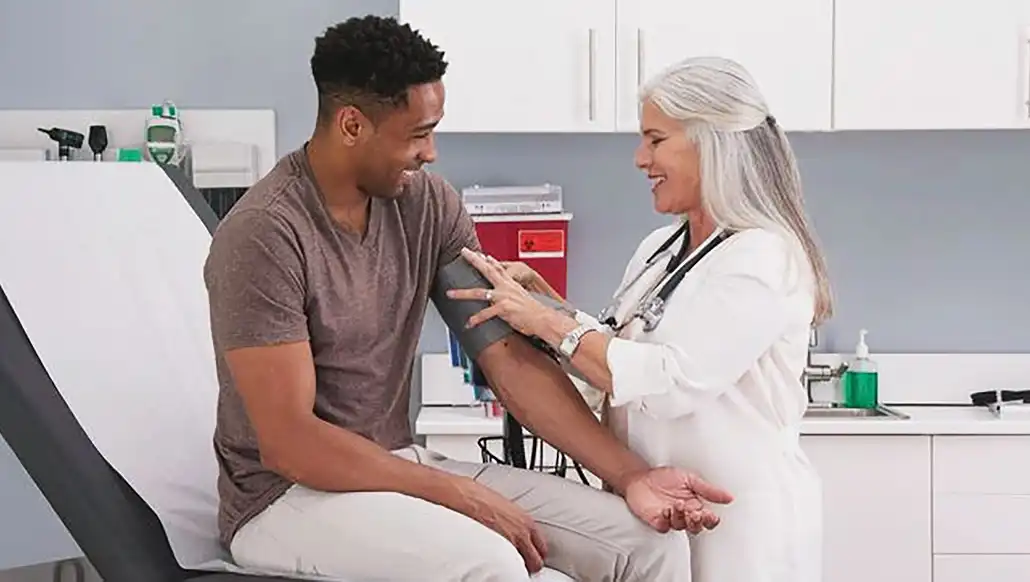
High blood pressure represents a major health risk for people of all ages, but there are effective ways to prevent and control this “silent killer” with the help of a health professional to make lifestyle changes.
Hypertension, also known as high blood pressure, occurs when the force with which blood flows through the blood vessels is consistently too high.
This condition causes the heart to work harder than normal and can damage the arteries, increasing the risk of heart disease, stroke, and other health problems.
High blood pressure is the leading risk factor for stroke and heart conditions such as coronary artery disease, heart failure, and atrial fibrillation.
There is growing evidence that high blood pressure is linked to the risk of cognitive decline and dementia, which is why the American Heart Association is working to raise awareness and encourage people to control their blood pressure.
Protect your heart and brain, now and in the future, with this information and wellness tips:
Who can have high blood pressure?
Anyone can develop hypertension, so it is recommended that everyone of all ages, including children and young adults, have their blood pressure checked at their annual physical exams or wellness checkups.
For those who have a history of high blood pressure or risk factors for developing this condition, more frequent measurements are recommended.
Major risk factors for high blood pressure include being overweight, diabetes, high cholesterol, smoking, lack of physical activity, alcohol consumption, and a diet high in sodium and low in potassium.
Nearly half of adults in the United States have high blood pressure and many don’t even know it. Of people with high blood pressure, about 75% do not have the condition under control. Because it usually has no symptoms, it is often called a “silent killer.”
How is blood pressure measured?
To get the best blood pressure reading, sit in a chair with a backrest and both feet flat on the floor.
Use a validated, cuff-type, automatic arm monitor. Remove the clothing covering the arm you are going to use and rest for at least 5 minutes. Extend your arm and hold it at heart level, remaining still and silent. Then take several readings and record the results. Try to take measurements at the same time every day.
For most adults, a normal blood pressure reading should be less than 120/80 mm Hg.
What happens after a high blood pressure diagnosis?
Recognizing high blood pressure and taking quick steps to control it can significantly reduce the risk of serious health consequences, such as heart attacks and strokes, and improve overall health.
If you have been diagnosed with high blood pressure, work with a healthcare professional to design a treatment plan that fits your needs. It may include changes in lifestyle, diet, physical activity level, or medication.
How can high blood pressure be prevented or controlled?
It is possible to prevent hypertension. Consult with a health professional to create a plan that suits your needs, which may include small steps such as following a heart-healthy diet, staying active, and maintaining a healthy weight.
For those with hypertension, it is important to maintain a healthy weight through physical activity (at least 150 minutes of moderate activity per week) and a balanced diet rich in fruits, vegetables, lean proteins, and whole grains. Even losing 5% of your weight can help improve blood pressure.
It is also important to reduce or avoid alcohol and tobacco consumption. Consider doing stress-reducing activities, such as meditation, breathing exercises, or yoga.
For many people, following prescribed drug treatment is essential to effectively control blood pressure and reduce the risk of serious health complications.
To learn more about blood pressure control and how to measure it correctly, visit heart.org/bp .