
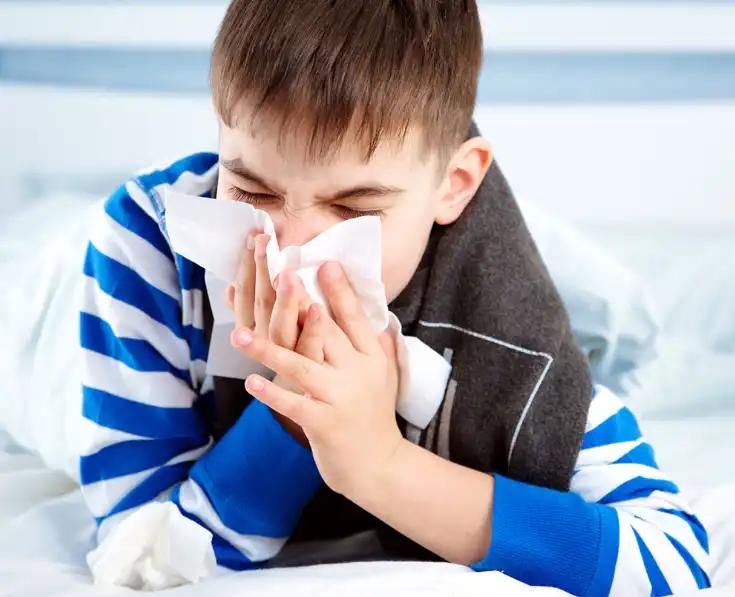
Temperatures begin to drop and with them come respiratory diseases. NYC Health remembers what care is essential inside and outside the home to avoid infections and have a smooth winter. by: Nahuel Leto
Low temperatures not only make everyday life more difficult, they are the perfect setting for respiratory diseases to circulate. We spend more time indoors, ventilate less and share closed spaces such as the subway, offices or shops. All of this facilitates the spread of flu and other seasonal illnesses.
For this reason, the Department of Health insists that winter requires specific care routines. It’s not just about keeping warm: respiratory prevention also depends on the environment where we live.
1. Ventilate, even in the cold
Opening windows a few minutes a day reduces the concentration of viruses in the air. Although it may seem difficult in the middle of winter, experts recommend brief but frequent ventilation, especially when there are visitors at home or several cohabitants.
2. Control the heating and avoid dry air
Heaters on all day can dry out the environment, irritating the throat and making infections easier. Using humidifiers, placing containers of water near radiators or regulating the temperature helps keep the air healthier.
3. Constant hygiene of hands and surfaces
Hand washing remains the most effective barrier against respiratory diseases. When returning from public transport, after work or having been in crowded places, taking this habit is essential. It is also advisable to disinfect high-contact surfaces such as doorknobs, cell phones and countertops.
4. Plan family vaccination
NYC Health reminds that prevention begins before the virus reaches the home. Keeping flu and COVID-19 vaccines up to date, and consulting with your pediatrician about protection against RSV for babies, is a key strategy to avoid intrafamilial infections. Find the flu vaccine on this NY City health map View map
5. Take care of vulnerable groups
Older adults and those with chronic illnesses need special attention during the winter. Helping them attend vaccination centers, avoiding exposure to sudden changes in temperature, and managing early symptoms can make a big difference.
The importance of recognizing warning signs, in the event of persistent fever, respiratory distress or extreme weakness, doctors recommend seeking professional attention. Detecting complications early is key to avoiding hospitalizations.
Winter in New York can be challenging, but it is also an opportunity to reinforce health habits that benefit the entire community. With simple and conscious actions, every home can become a safer space. Protecting yourself from the cold is much more than keeping warm: it is adopting practices that reduce infections and care for those who need it most.
Related note: Flu season 2025 and why get vaccinated now