Father Fabián Arias was sitting in his car in a Queens parking lot when he hung up the phone. He had just guided a man who was pleading for help before an upcoming immigration hearing at 26 Federal Plaza.
Minutes after leaving the cell phone on the dashboard, the device vibrated again. Another voice, unknown, asked for help for his immigration case. The calls come without pause, day and night; some even come from people detained by ICE. This scene is part of the priest’s daily routine.
Arias, an Argentine immigrant and pastor of St. Peter’s Church in Midtown, has dedicated his life to accompanying other immigrants in the complex process of integrating into the United States, including those who have family members detained by ICE. As he explains, the obstacles faced by newcomers are not new: remember, for example, the federal raids on factories during the presidency of George W. Bush.
However, Arias assured our sister publication, amNewYork, that he had never witnessed tactics as “aggressive” as those of the current immigration offensive.
“Verbally, physically and psychologically aggressive. In just one year, Trump has been very aggressive with immigrants, especially with Latinos,” said Arias, comparing the situation with the military occupation that Argentina experienced. “In my 62 years I have never seen anything like this. The only comparable thing was when I was 13 years old and the military occupied my country for eight years, when 30,000 people disappeared. But this is even more aggressive.”
At St. Peter’s Church, Arias regularly celebrates Mass for a largely immigrant congregation, many of them with loved ones detained by ICE. After studying at a Catholic school in Argentina and receiving a scholarship to study in New York in 1989, he visited the city frequently before settling permanently in 2002. He led his first parish in Harlem and, in 2007, he began his work with immigrant communities with the New Sanctuary Coalition.
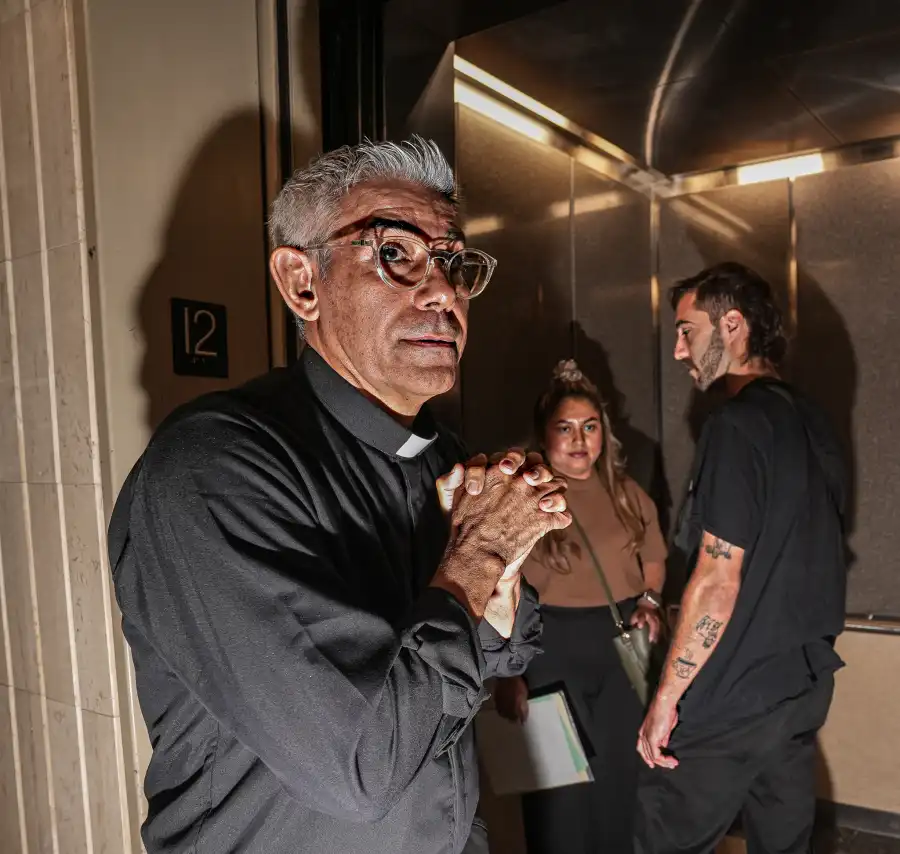
Today, Arias has become a key figure for the immigrant community, someone to whom many turn for guidance and hope. With the support of legal aid organizations, he has contributed to the release of several people detained by ICE. But the weight of that work is great and, as he acknowledges, he lives with more pain than joy.
Although St. Peter’s Church functions as a refuge for those who suffer, pain is felt in the air due to the separations—often violent—that have marked numerous families.
“I feel privileged because I am a citizen. I wish everyone were treated with the same equality; that is my dream,” said Arias. “Today we face a very diabolical situation with this administration, and I ask God to transform your hearts and move you toward good.”
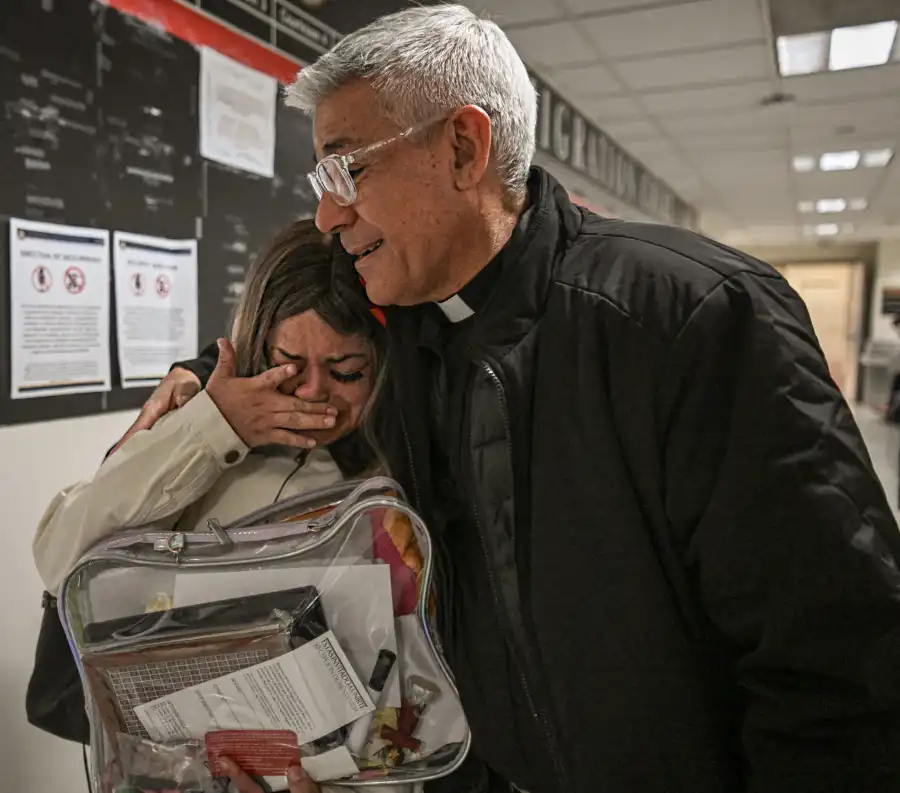
But Arias does not limit herself to prayer. He also acts.
Every Sunday, after mass, he organizes sessions with lawyers to offer legal guidance to families affected by the immigration offensive. Additionally, he works with volunteer groups and accompanies families to their hearings at 26 Federal Plaza.
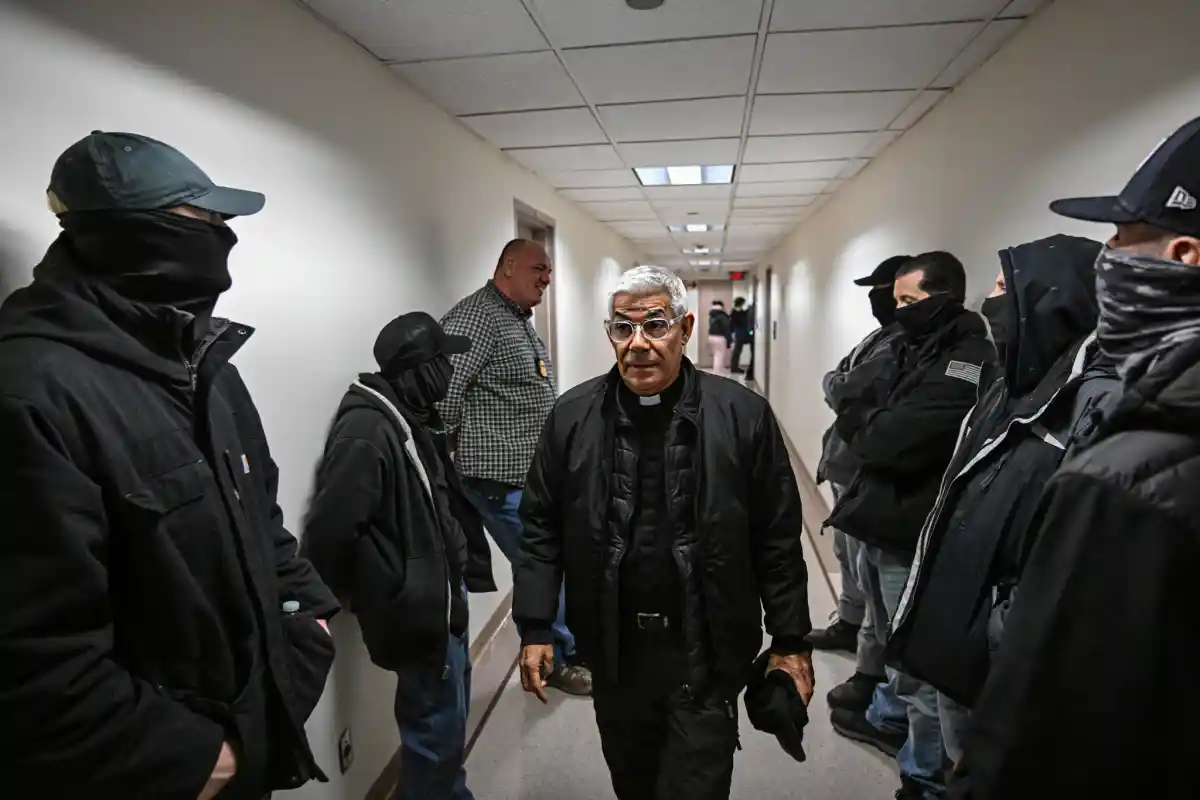
There he comes face to face with masked ICE agents who detain people during mandatory court dates and remove them from the scene. Arias has witnessed some of the most tense episodes of federal detentions in New York, including moments when agents injured journalists and when an ICE supervisor pushed an immigrant mother to the ground.
“I have seen how vulnerable these people are, and there is no compassion,” he said. “I remember Monica’s case, when she told an agent: ‘Take me, not my husband.’ In each case, I want to say the same thing: take me, not them.”
Arias recognizes that he cannot sustain this work alone and that he depends on the support of dozens of volunteers. However, the constant risk of facing hooded federal agents has proven too much for many. As he explained to amNewYork, about 40% of his volunteers have left work out of fear.
“I understand that fear,” he said. “Right now there is a real risk.”
Arias himself is no stranger to bullying either. On one occasion, upon returning to the country after a trip, agents took him to an interrogation room at JFK Airport and questioned him about his background. The priest believes it was a tactic to intimidate him.
Even so, he has not been intimidated and continues to help immigrants, both legally and humanely.
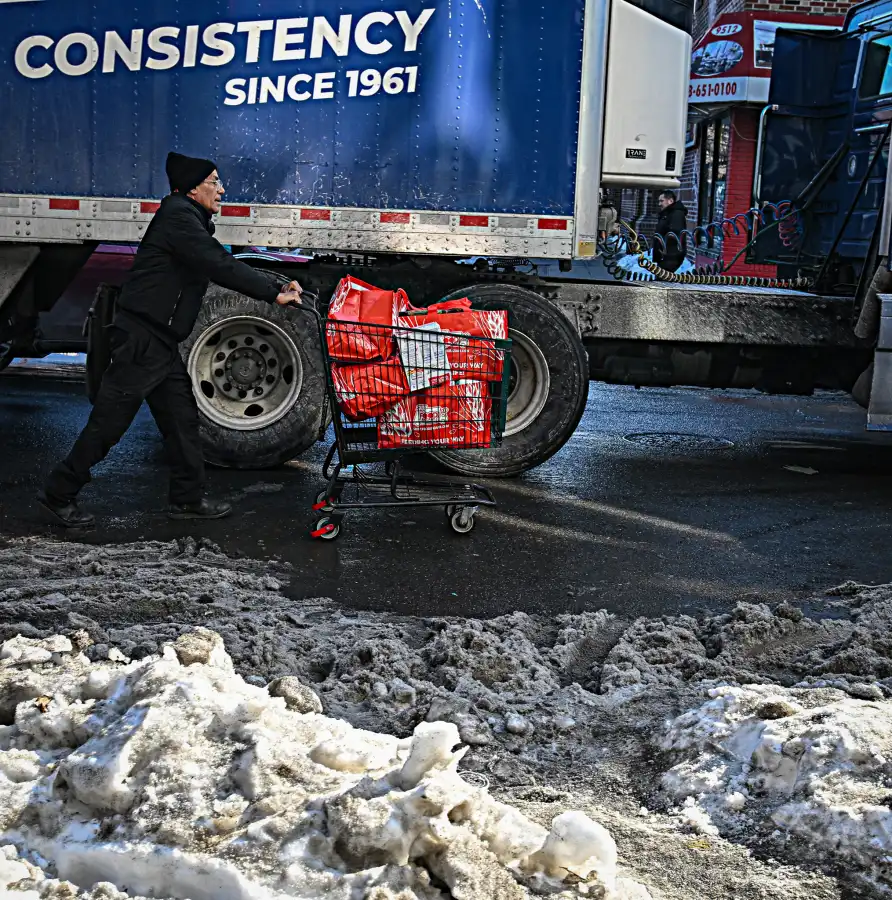
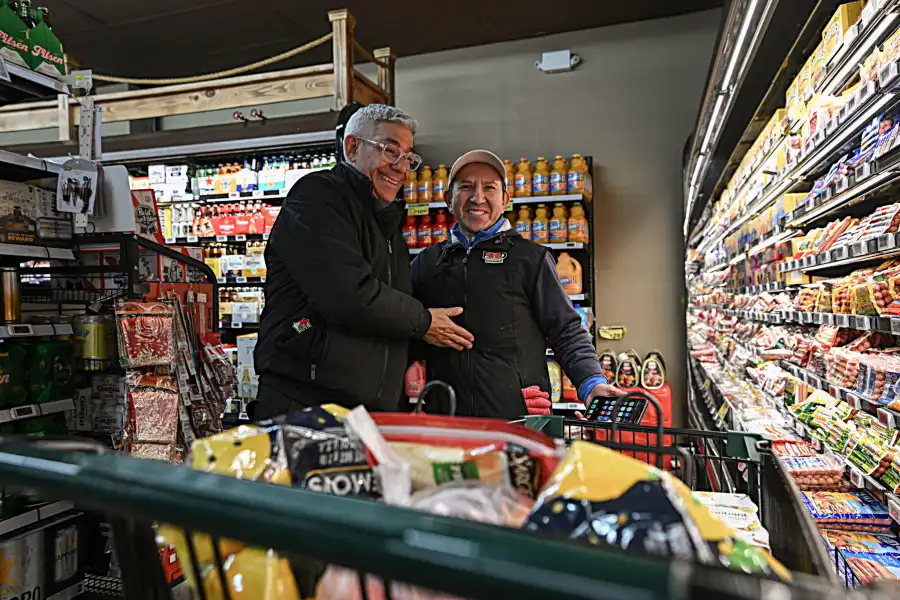
Every Tuesday he hosts a large food distribution in Jackson Heights for immigrants facing food insecurity. The priest travels to different parts of Queens: collecting bread, buying food in supermarkets and coordinating donations financed by parishioners and community members. He is seen pushing a cart through snow and ice while gathering supplies for those who need it most, as well as coordinating the arrival of trucks loaded with food.
An avalanche of calls, the defense of immigration rights and the weekly search for food define Arias’ life. Although he admits to feeling exhausted, he assures that he will not give up and that he will continue to support those who need it, while the shadow of ICE continues to extend over the city.
“Today ICE is everywhere,” he concluded. “In many cases, they are in front of homes and in front of workplaces.”