
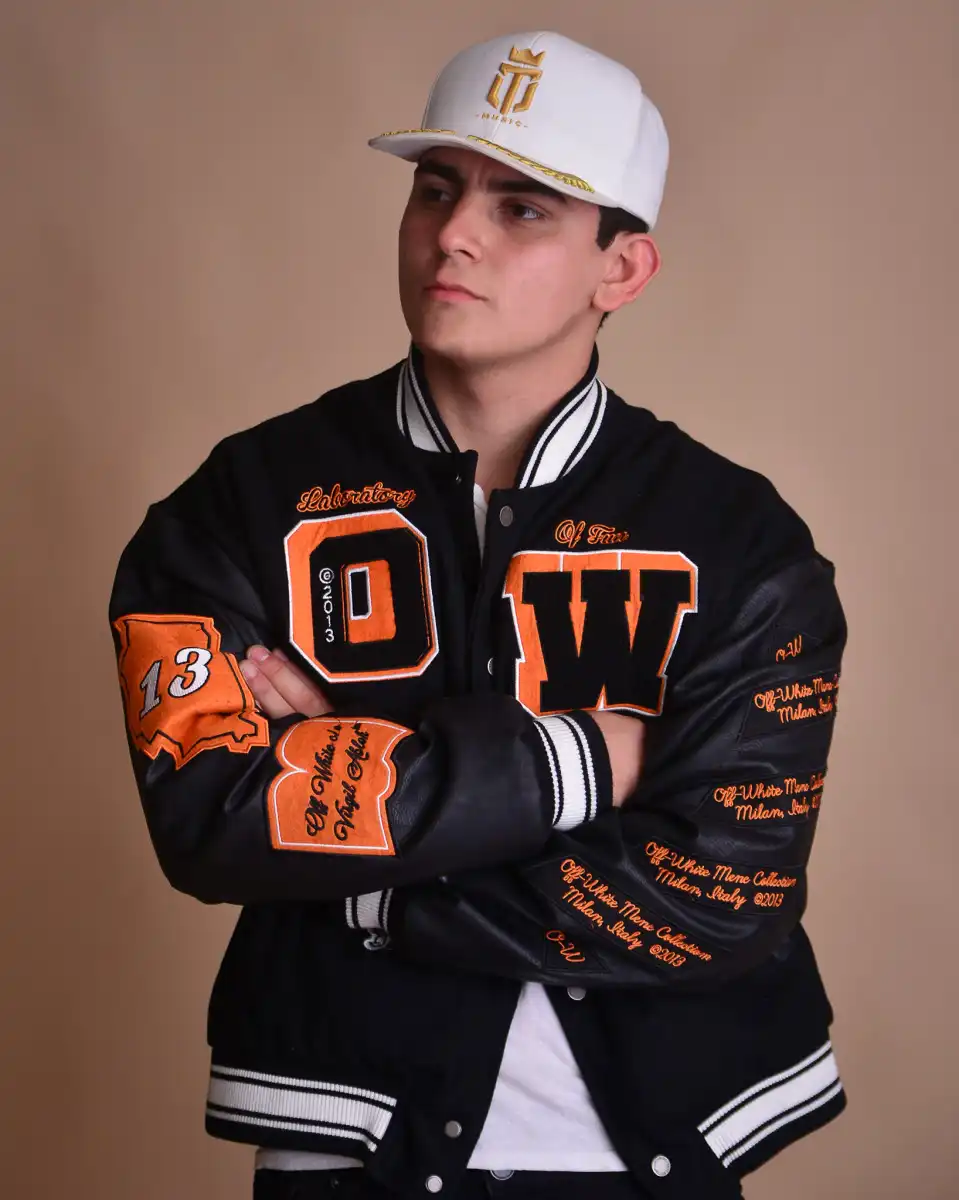
The war corrido and regional Mexican music are experiencing one of their strongest and most expansive moments, conquering new audiences and redefining the sound of a generation. In the midst of this boom, Dylan Coronel raises his voice with “Honor y Gloria”, his new single with Adriel Favela, released on January 9 under Warner Music Latina. The song, which will be part of their next album available on March 6, is presented as a firm declaration of identity: a story of improvement, loyalty and ambition built from below, without losing its roots.
In this interview, Coronel reveals how the song was born almost by chance while finishing the album, what collaborating with Adriel Favela means to him and why this release marks a point of maturity in his career. He also reflects on his place within the new wave of the Mexican Regional and the versatility that he seeks to consolidate at this stage. Read the full interview and discover how Dylan Coronel is committed to evolving the genre without leaving its essence behind.
“Honor and Glory” talks about growing from below without losing your roots. At what personal or professional moment did you feel that this song had to come out now?
It was precisely when I was making the album, approximately in October, around that time. I was missing a few songs to complete it. I was on the road and I remembered that I had some tunes saved to write. I went into the notes on my cell phone, started searching and clicked on one at random. When I heard it I said: “I liked it.”
It was one of those tunes that you record and leave there saved. I started adding lyrics and it flowed very quickly. That’s why I think it came out at that time. The team also liked it and we decided to record it.
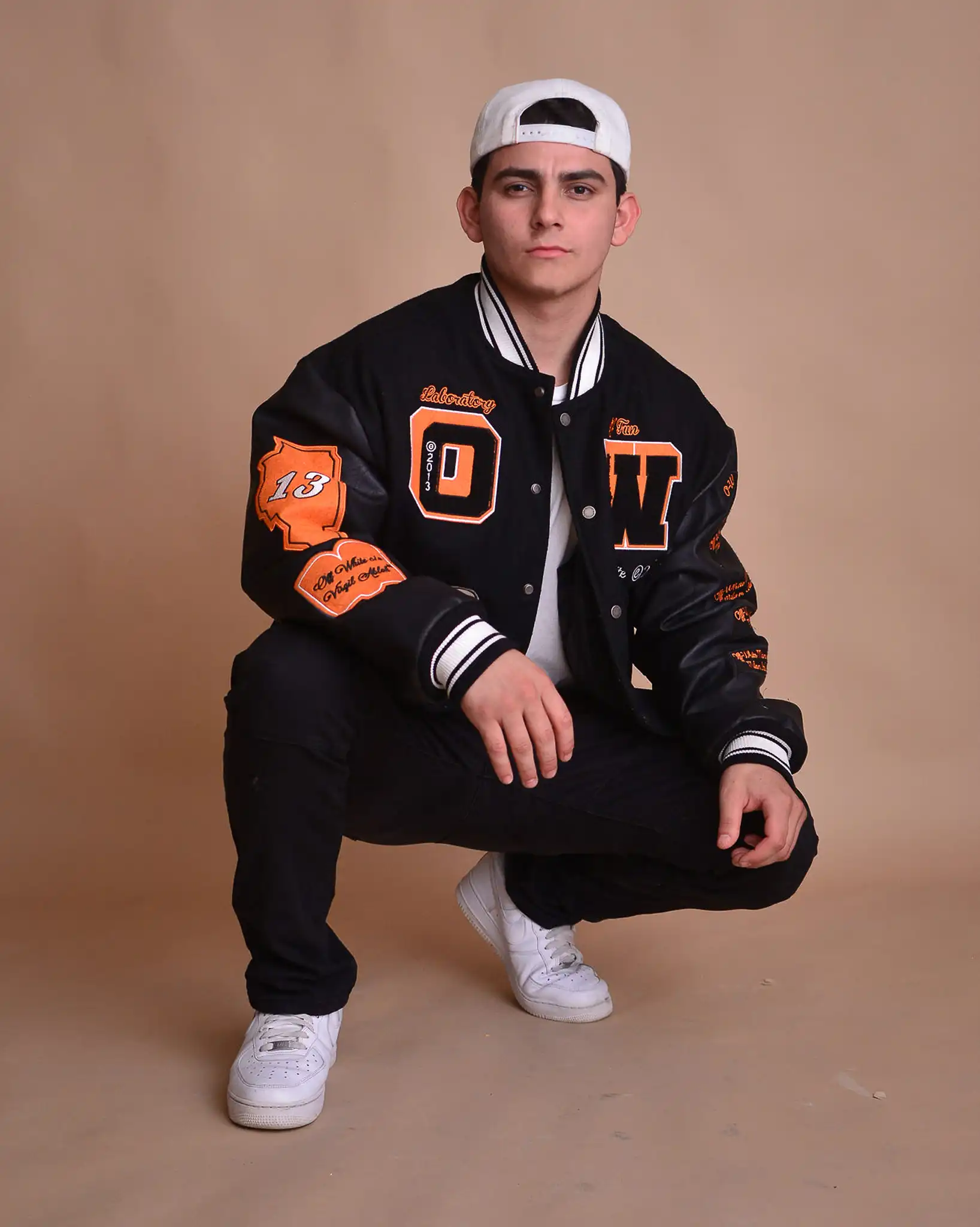
The lyrics convey ambition, but also loyalty and memory. How autobiographical is this story for you?
Actually, it wasn’t that it was totally inspired by my life. Of course, all the songs I write usually have something inspired by me or talk about something I’ve experienced. But this song is more dedicated to the people, “whoever has it left”, as we say.
It is for the public that is struggling, that is trying hard, that continues fighting to get ahead.
You join Adriel Favela. How did this collaboration come about and what did you feel it added to the message of the track?
It came from my team. I have a label manager who is a friend of his, they sent him the song and he liked it. From there it was put together.
I feel that Adriel added a lot to the message, especially that more motivational part of the corrido. It gave more strength and also a certain joy to the song, like it reinforced that vibe of improvement.

Musically, the simple mixes traditional requinto with the narrative of the war corrido. Why does this sound represent well the moment you are living as an artist?
When we were recording it it was like: “What do we put here? What do we do there?” The producers were in charge of fusing the northern with the sierreño, with guitars and tololoche. I recorded it in Mexicali along with the rest of the album.
The truth is I really liked the production, especially the guitars and the tololoche. It has all that corrido stuff, but with a current sound that represents very well the stage I’m in.
The song will be part of your next album, which will be released on March 6. What role does this song play within the general concept of the album?
This song represents the part of improvement and motivation. On the album there are more themes of love and heartbreak; I focused a lot on that because before I had hardly released songs of that type.
But I also didn’t want to leave behind what I had already been doing, which are the corridos. That’s why we decided to include “Honor and Glory”, to maintain that essence and balance within the album.
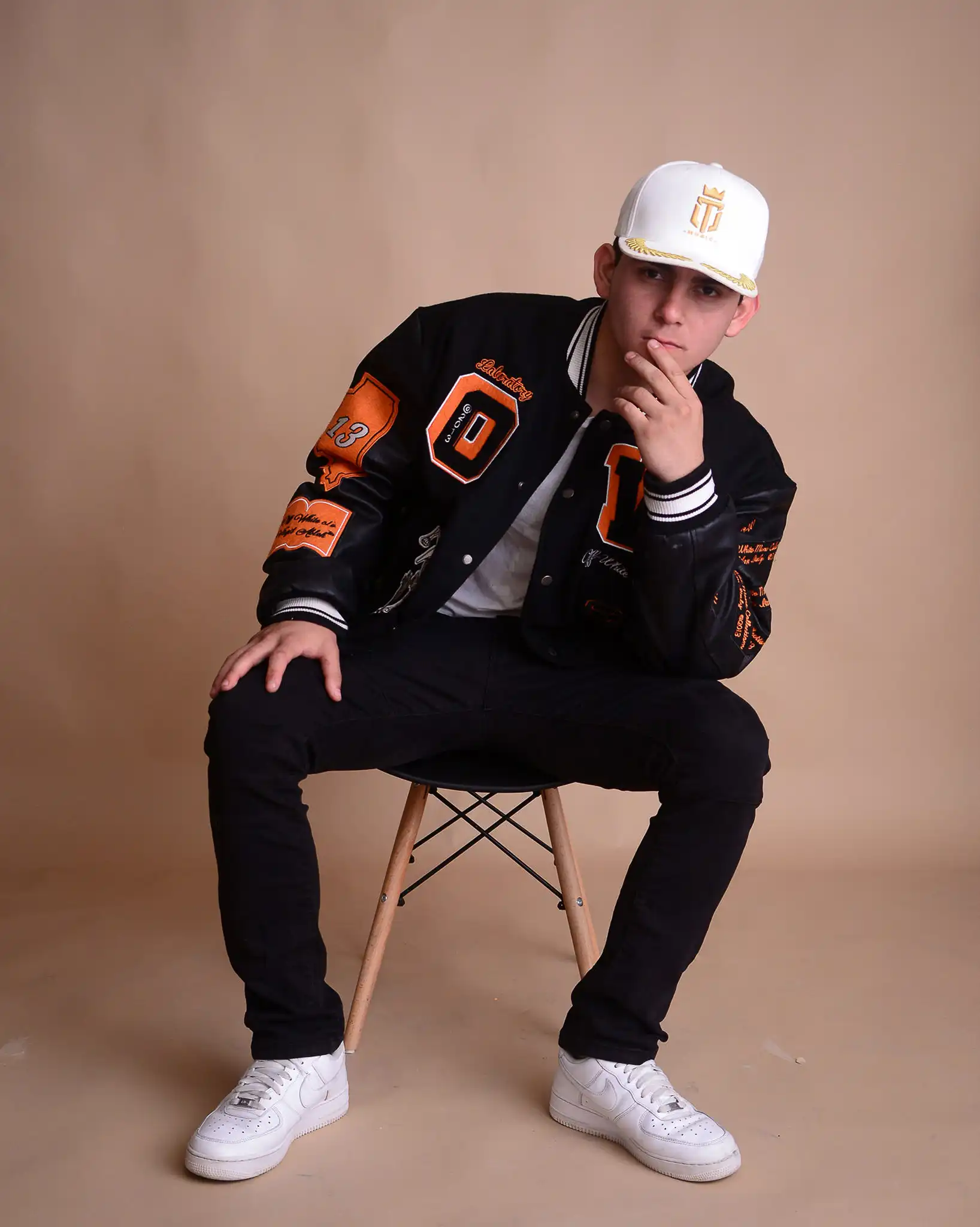
In a new wave of Mexican Regional that honors tradition but seeks new paths, how do you define the place you want to occupy within the genre?
I want to be identified by my music. That they say: “Dylan released this song and I like it,” but also that they can listen to another style of mine and say the same thing.
I would like people to see me as a versatile artist, who can adapt to different styles. Right now I have been to several composition camps and have worked with composers I never imagined I would meet. We also did collaborations with women, something I had never done, even trying a more afro style.
I want to be identified as an artist who dares to do different things.
Big projects for 2026?
Yes, we have many projects coming up. More things are coming after the album. This year we are going to be very active.
I am also participating in a podcast that we organized with several well-known people from my city. I want people to know me more as a person, not just as a musician. Many people know me outside of my city, but not so much where I live, and that is one of my goals this year.
What are your goals?
I have many goals, but above all I want to reach more people with my music and connect with the public. For me that is the most important thing.