
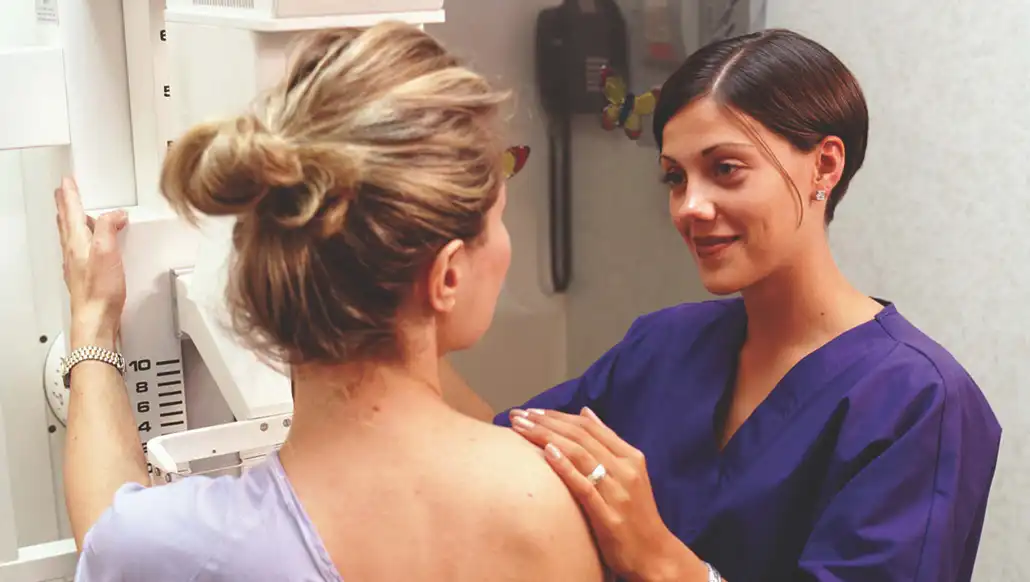
October is recognized worldwide as “Breast Cancer Awareness Month”; It is a time dedicated to raising awareness about this disease, its impact on millions of women and men, and the crucial role early detection plays in saving lives.
It is also a special time to inform ourselves and learn about this type of cancer that affects thousands of people in the United States and the world.
This time we are going to refer to the explanation of metastatic cancer, which is cancer that spreads to distant parts of the body and is often called “stage IV cancer.”
Cancer survival rates are increasing, and this increase is due to several factors. Advances in cancer research and treatment have played an important role in increasing survival rates, as have the efforts of various organizations to promote cancer prevention and raise awareness about the disease.
The World Health Organization points out that, currently, between 30 and 50 percent of cancers can be prevented by avoiding certain risk factors and implementing prevention strategies based on scientific evidence.
However, people can be vulnerable to cancer if they do not pay attention to their bodies or do not make efforts to protect themselves against certain risk factors.
In such cases, the cancer may have already spread to other parts of the body—that is, metastasized—before it is even diagnosed, greatly reducing the chances of surviving the disease.
Cancer that spreads to distant parts of the body is known as metastatic cancer and is often called “stage IV cancer.”
According to the National Cancer Institute, when viewed under a microscope, metastatic cancer cells have characteristics similar to those of primary cancer and do not resemble cells in the area of the body where the cancer is located.
This is how doctors determine that it is metastatic cancer and that it has spread from another part of the body.
When doctors diagnose metastatic cancer, they call it the same name as the primary cancer, regardless of where the metastasis was discovered.
For example, the Institute notes that a breast cancer that has spread to the lungs is not called lung cancer, but rather metastatic breast cancer. Also, when treating the disease in this case, doctors will treat the cancer as stage IV breast cancer, and not as lung cancer.
Understanding metastatic cancer can help newly diagnosed men and women better understand their disease and prognosis.

A moment to act
One of the most powerful tools in the fight against breast cancer is mammography, a screening technique that has been instrumental in identifying cancer in its early stages, when it is most treatable. Understanding the importance of regular mammograms and maintaining breast health is essential to reducing the risk of breast cancer and improving survival rates.
Breast Cancer Awareness Month, observed each October, serves as a reminder of the importance of early detection and breast health.
The pink ribbon, symbol of this movement, is widely recognized, and numerous events, fundraising campaigns and initiatives are organized to support research, education and patient care.
During this month, women are encouraged to prioritize their breast health by scheduling mammograms, practicing self-examination, and encouraging others to do the same.
Communities come together to honor survivors, support those undergoing treatment, and remember those who lost their lives to this disease.
It is also an opportunity to educate the public about risk factors, preventative measures, and the importance of regular screening.
As we commemorate Breast Cancer Awareness Month, it is important to spread the message that regular testing, knowledge of your body, and proactive medical care can save lives.
By understanding the importance of mammograms and taking control of our breast health, we can continue to make progress in reducing the impact of breast cancer around the world.