
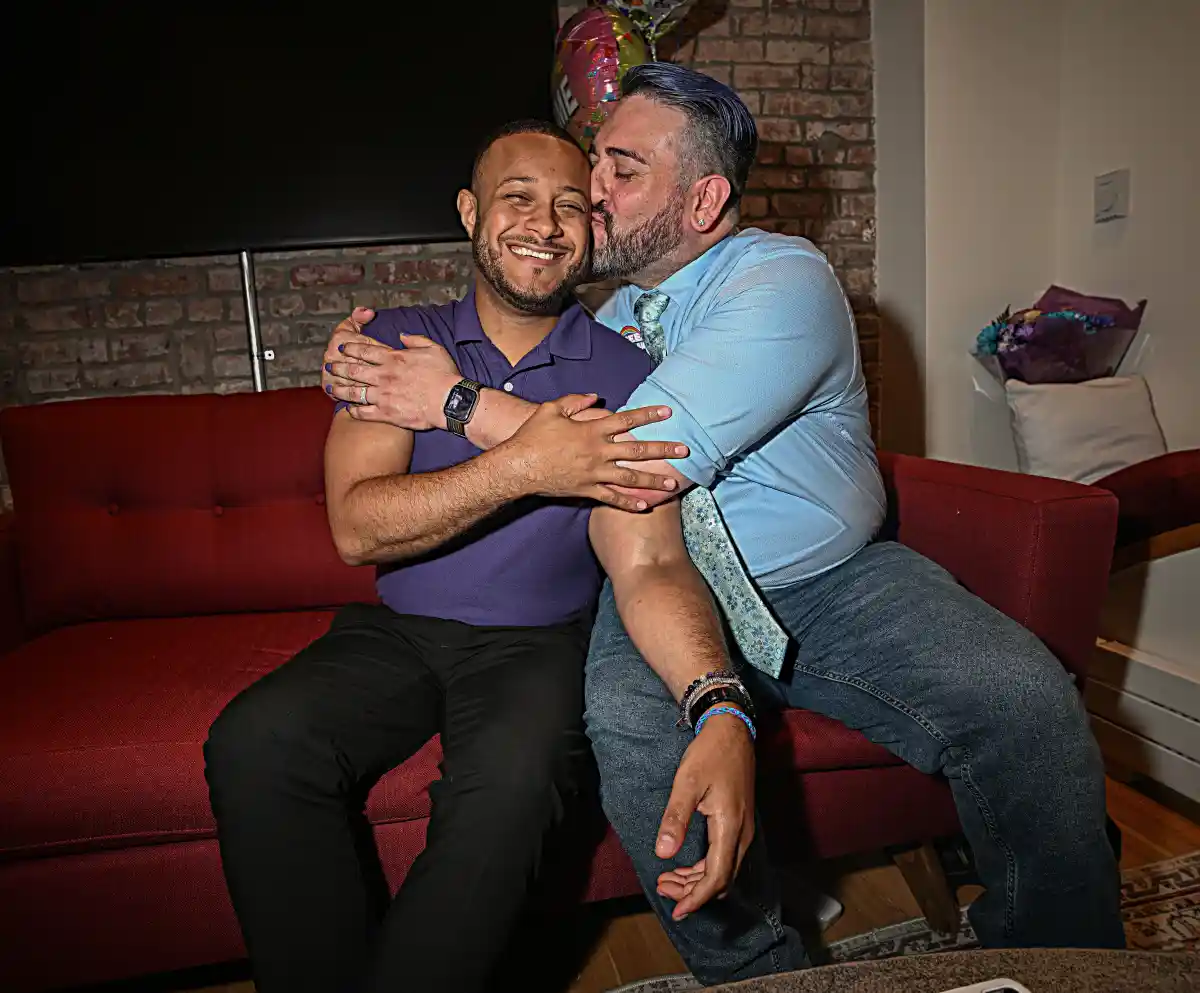
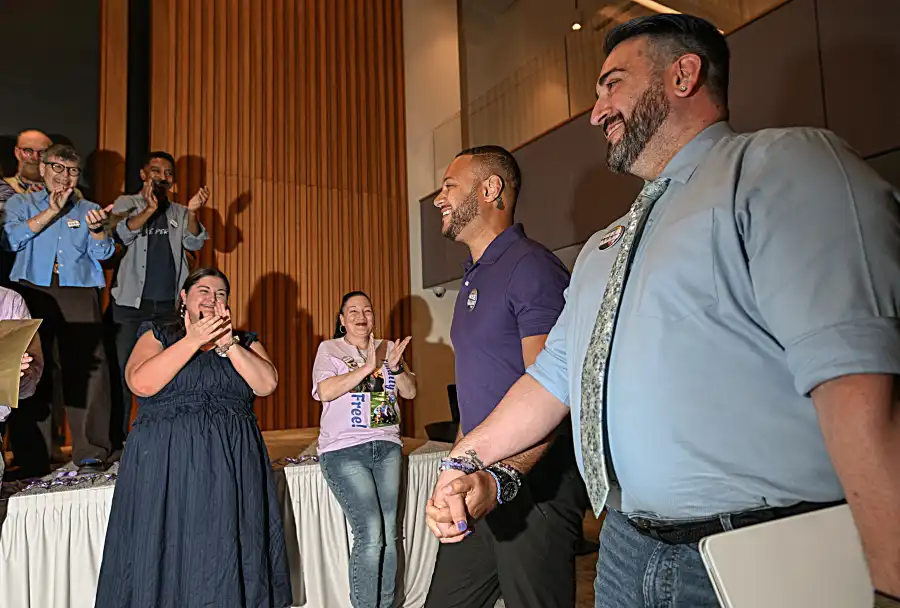
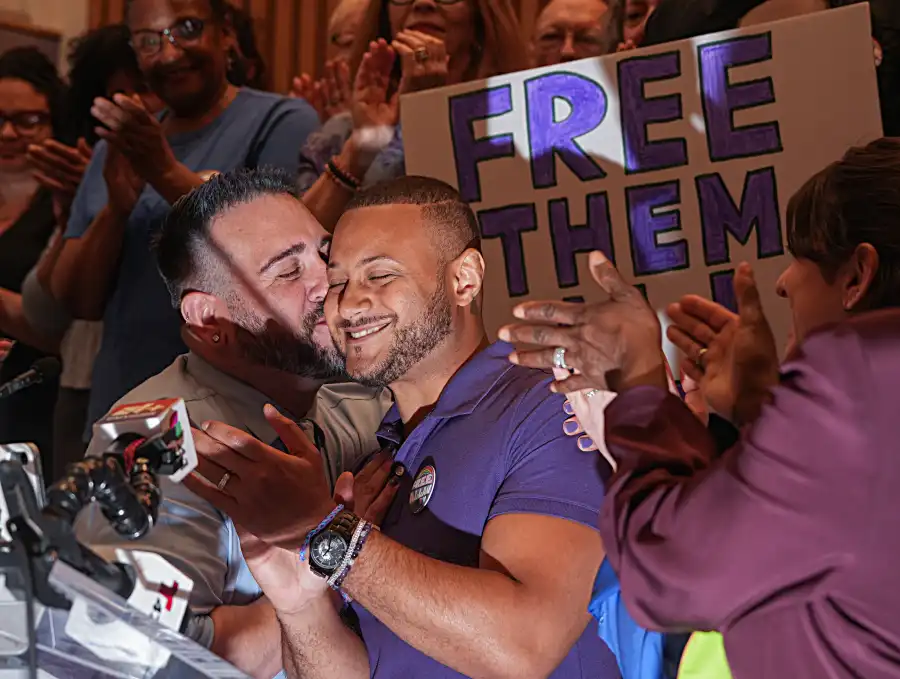
Matthew Marrero and Allan Dabrio Marrero sat together on the second floor of Middle Collegiate Church in the East Village. They hugged each other as they prepared to face dozens of journalists at a press conference.
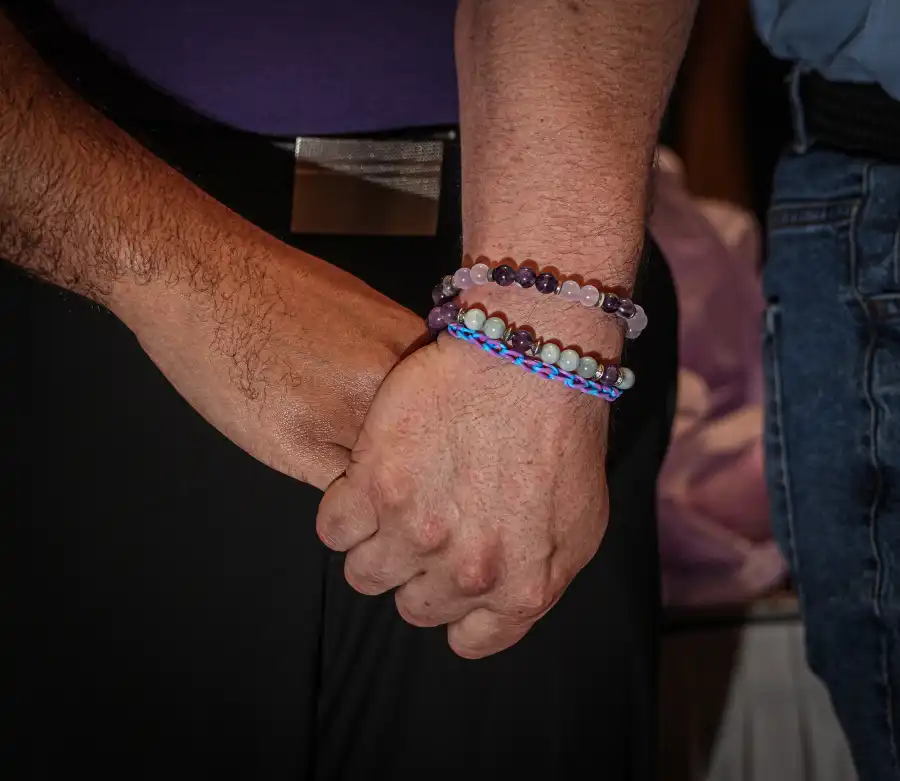
Allan had been released days before the ICE detention, after spending 150 days being transferred between different centers throughout the country. The couple kissed, held hands and burst into tears.
“I’m so happy that my best friend and the love of my life, my husband, is here by my side. But we’re not completely out of the woods yet,” Matthew said.
Her husband’s tough journey through ICE
The couple explained to our sister publication, amNewYork, that they still face uncertainty as they must reapply for Allan’s permanent residency. The original request was precisely what triggered his arrest.
Last November, the two went together to 26 Federal Plaza in the hope that Allan would obtain his residency, despite the risk of deportation after months of ICE operations there.
Instead, they became another family affected by separation policies. Despite having followed all legal procedures, Allan ended up in ICE custody, facing harsh conditions along with other detainees.
“By that time, I had been here for more than a decade, legally. I wasn’t afraid of anything out of the ordinary, until the agent said I had a deportation order,” Allan recalled.
“They took me to a room on the upper floor; there were several of us detained. We were on the floor with small mattresses and covered with thermal sheets. It was very cold. The bathrooms were open right there, and I broke down. I cried non-stop.”
Allan was subsequently moved from one detention center to another, in what he described as horrendous conditions. He said the guards acted indifferently and sometimes took his belongings without reason. Often, he didn’t even know which center he was in.
“After getting on a plane and then a bus, we arrived at a place where everything was dark, very late. Almost all the lights were off, and they told us: ‘welcome to Alligator Alcatraz,'” he said.
“I thought: it can’t be, this is not happening to me.”
How he achieved his release
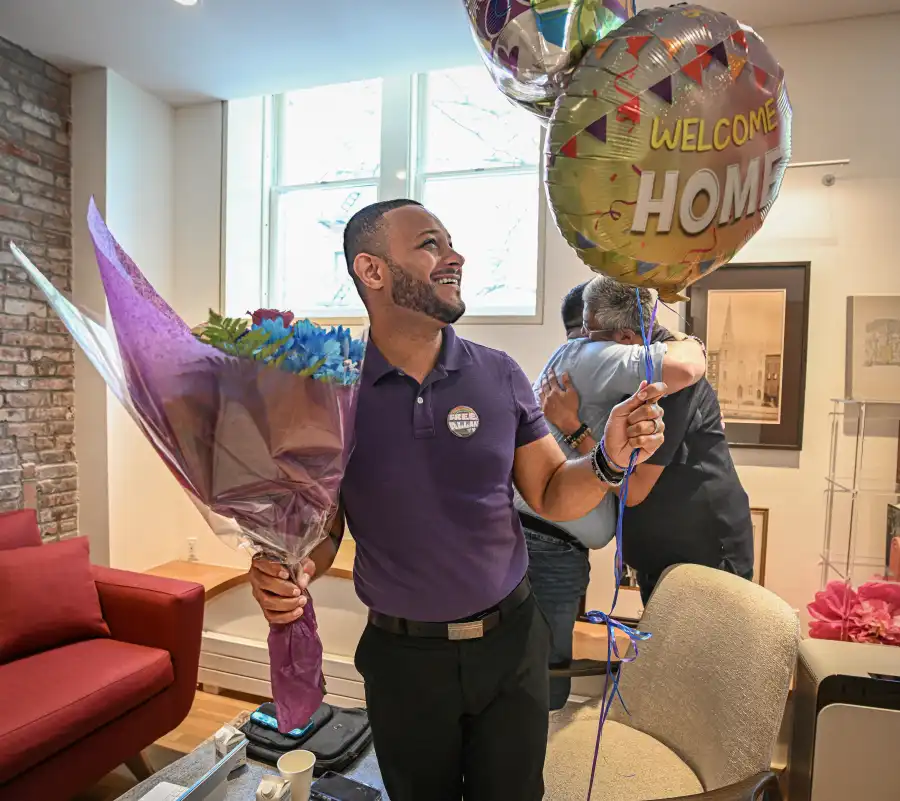
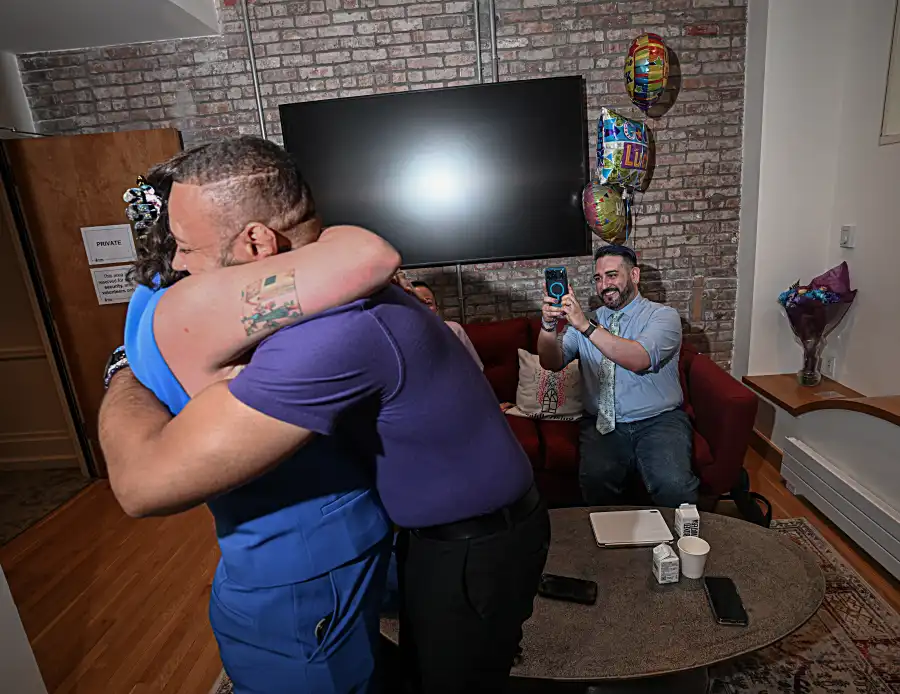
May 5 not only marked an emotional welcome hosted by friends and members of his church, but also the first time Allan met his attorney, Alexandra Rizio of Make the Road New York, in person. Rizio, Matthew and Allan couldn’t hold back their tears.
“It’s the first time we’ve met in person; I’ve always seen him through a screen, in prison uniform on Zoom,” Rizio said.
“Allan was the last thing I thought about before going to sleep and the first thing when I woke up.”
Family and friends believed he would be released in January, when a judge determined he did not pose a danger to the community or a flight risk, and ordered his release on bail. However, the Department of Homeland Security (DHS) ignored the order, prolonging the legal process.
Rizio explained that after several failed attempts to post bail, he filed a federal lawsuit in April, alleging that ICE’s refusal to accept bail violated the Administrative Procedures Act.
“Then ICE informed us that they would accept and process the bond,” he said. Allan was finally released on April 30.
The impact that experience leaves
On Tuesday, the Marreros appeared before the press, accompanied by elected officials and advocates, including Public Defender Jumaane Williams, Congressman Dan Goldman and New York Immigration Coalition President Murad Awawdeh.
At the church, members of the congregation stood behind the couple, visibly emotional, holding signs that read “Allan is free” and “Free them all.”
Matthew and Allan said they will live with the trauma of detention for the rest of their lives, but they also want to become a symbol of hope for other families who have gone through similar experiences.
The Rev. Amanda Hambrick of Middle Collegiate Church tried to accompany them to the residency hearing in November, but federal agents denied her entry, something that still bothers her.
“I think about that a lot, about how they didn’t let me come in with them,” he said.
“I reflect on what I would do differently… but I know it is a very small part of the trauma compared to what Allan experienced.”
For her part, the Reverend Jacqueline Lewis was also moved when remembering the 150 days of detention. Despite the pain, he assured that he maintains hope.
“I am made to have hope,” she said.
“This is the time to act, for everyone to understand that this is real and that it can affect anyone, unless we come together.”