
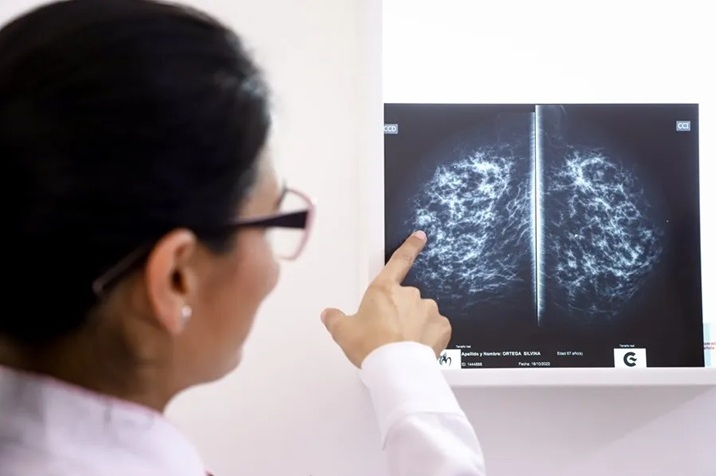
The New York State Department of Health recognizes October as “Breast Cancer Awareness Month” and encourages regular screening for early detection.
Every year, communities come together to show their support for those affected by breast cancer and to raise awareness about this disease.
“During Breast Cancer Awareness Month and throughout the year, it is important to raise awareness and encourage people to get regular mammograms, as cancer can be more easily treated if caught early,” states State Health Commissioner Dr. James McDonald. “Have a mammogram at age 40 and repeat it every two years,” he maintains.
According to the Centers for Disease Control and Prevention (CDC), besides skin cancer, breast cancer is the most common cancer among American women and New Yorkers. One in eight women will develop breast cancer in her lifetime, and nearly 16,700 new cases and 2,500 deaths from breast cancer are reported each year in New York State.
The risk of breast cancer increases with age and varies by racial group. Black women are more likely to be diagnosed with breast cancer at an advanced stage and to die from the disease.
Men also suffer from breast cancer, although it is very rare. About 1 in 100 breast cancers diagnosed in the United States occur in men. Most breast cancers occur in women 50 years of age or older, but breast cancer also affects younger women.
Mammograms
Mammograms are the best way to detect breast cancer in its early stages, when it may be easier to treat and before signs or symptoms of a problem occur.
The U.S. Preventive Services Task Force now recommends getting a screening mammogram every two years starting at age 40 and continuing up to age 74.
This recommendation applies to women, people with dense breasts, people with a family history of breast cancer, transgender men, and non-binary people assigned female at birth.
People with certain risk factors, such as a genetic marker associated with a high risk of breast cancer (e.g., BRCA1 or BRCA2), a history of breast cancer, or breast lesions, may need to be screened earlier or more frequently. It is recommended to consult with your doctor about your risk of breast cancer and when to start screening.
People should become familiar with the look and feel of their breasts, which can help detect symptoms such as lumps, pain, or worrying changes in size. These could include changes detected during a breast self-examination. Report any changes to your healthcare professional.
The New York State Department of Health is committed to reducing disparities by ensuring that all New Yorkers can access breast cancer screening, follow-up testing, treatment if needed, and survivorship support.
The New York State Cancer Services Program (CSP) offers free breast cancer screening and follow-up to qualified uninsured people. To find a program near you, visit the link at https://www.health.ny.gov/diseases/cancer/services/community_resources/ or call (866) 442-2262.
Knowing how your breasts normally look and feel can help you notice changes, such as lumps or a difference in breast size. But breast self-exams do not replace regular mammograms! Talk to your health care provider if you notice any changes in your breasts. https://t.co/qnGSG5wD0E pic.twitter.com/ld8IbKMW4Z
— NYSDOH (@HealthNYGov) October 7, 2025
The symptoms
Breast cancer has different symptoms, and some people have no symptoms at all, especially in the early stages. If you have any signs, see your doctor immediately. Symptoms may include:
– Any change in the size or shape of the breast.
– Pain in any area of the breast.
– Nipple discharge other than breast milk (including blood).
– A new lump in the breast or armpit.
All cisgender women, people with a female gender at birth (including transgender men and non-binary people), and trans women who use or have used hormones should be aware of their personal risk of breast cancer and decide, together with their health care professional, when to begin screening.
The National LGBT Cancer Network (National LGBT Cancer Network) provides information about breast cancer risk, screening, and survivorship support for lesbian, gay, bisexual, queer, undecided, intersex, and asexual (LGBTQIA+) people.
In addition to aging, other factors that can affect the likelihood of developing breast cancer include genetic mutations, having dense breasts, personal and family history, among others.
Health tips
Steps you can take to reduce your risk of breast cancer include the following:
– Maintain a healthy weight and exercise regularly.
– Avoid alcohol consumption or do so in moderation.
– If you are taking hormone replacement therapy or oral contraceptives, consult your doctor about the risks.
– Breastfeed your children, if possible.
Research suggests that other factors such as smoking, exposure to cancer-causing chemicals, and hormonal changes due to night work may also increase the risk of breast cancer.
The Department of Health closely monitors screening practices in New York State to identify disparities and the need to target education and services to people who are not up to date with cancer screening.
You can find more information about breast cancer, including treatments and resources, at the official web link at https://www.health.ny.gov/diseases/cancer/breast/ .