
The Nassau County Department of Health (NCDOH) began its fall distribution of oral rabies vaccine baiting on September 22, as part of ongoing efforts to prevent the spread of rabies among wildlife and protect Long Island residents and their pets.
Weather permitting, vaccine baiting distribution is scheduled to occur through October 9 throughout Nassau County.
Baits are distributed by Health Department personnel from slow-moving vehicles in areas where raccoons are likely to be found, including, but not limited to, wooded areas, stream beds, storm drains, and other suitable habitat.
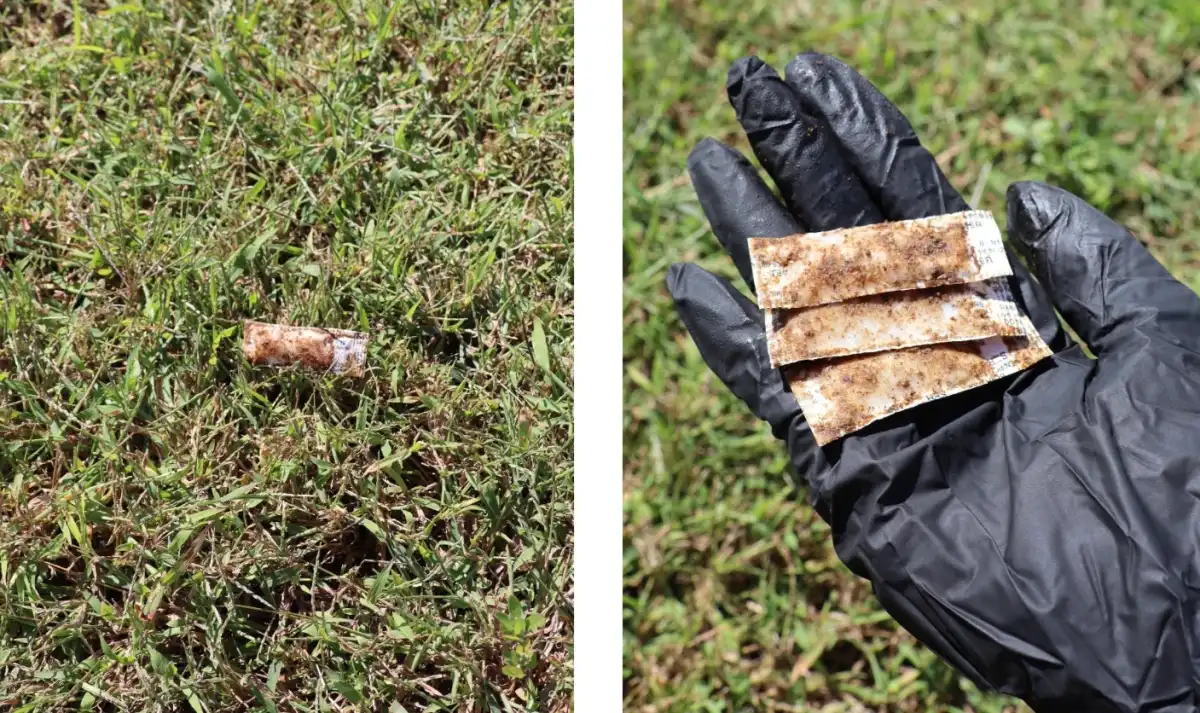
The oral rabies vaccine bait consists of a small plastic packet, similar to a ketchup packet, that contains the liquid rabies vaccine.
The package is coated in wax, cod liver oil and pieces of fish meal to attract raccoons. When a raccoon bites the bait, the vaccine is released and absorbed by the tissues in the mouth, allowing the animal to develop immunity.
History of rabies
Terrestrial rabies had been virtually absent from Nassau County for many years before its reappearance in 2024. Previously, this area of Long Island had confirmed a rabid raccoon case in 2016, with no other confirmed cases since 2009.
In 2024, six animals were confirmed to have rabies, including four raccoons and two feral cats. In 2025, Nassau confirmed 27 animals with rabies, including 26 raccoons and one feral cat. So far in 2026, this county has confirmed one rabid animal: a raccoon.
“Following the resurgence of rabies in 2024, NCDOH implemented extensive control measures, including an expanded oral rabies vaccine baiting program to help vaccinate raccoons and other terrestrial wildlife against the virus,” said Health Commissioner Dr. Irina Gelman. “Those efforts, which have been highly successful, have continued, and the decrease in confirmed rabies cases this year is encouraging,” he emphasized.
Useful information for the public
– Intact bait is not harmful in itself. There is a very low risk of side effects from skin contact with the vaccine, such as rash, fever or headache.
– To avoid accidental contact with baits, supervise children’s outdoor activities both during bait distribution and for the week following distribution. Call the Poison Control Center immediately at (800) 222-1222 in the unlikely event that a child bites the package and swallows the liquid.
– If residents find bait near their homes, but not in open or exposed areas, do not touch them. Bait packets have a strong fishmeal odor that is unappealing to people and most other animals.
– If the bait is intact and is in an open area where pets or children are more likely to find it, throw it in a more hidden area under trees or bushes, using gloves or a plastic bag.
– To reduce the likelihood of pets ingesting baits, keep cats indoors and dogs on leashes during and for a week following bait distribution. This will allow the raccoons to consume the baits and become immunized.
– Baits are not harmful to dogs or cats, although a pet may vomit if ingested a large amount of them.
For additional information on the 2026 fall bait distribution program, including the distribution map and tentative schedule, visit the Raccoon Rabies Control Program .
And for information on rabies, visit the NCDOH website dedicated to this disease at Nassau Government Rabies & Animal Bites .