
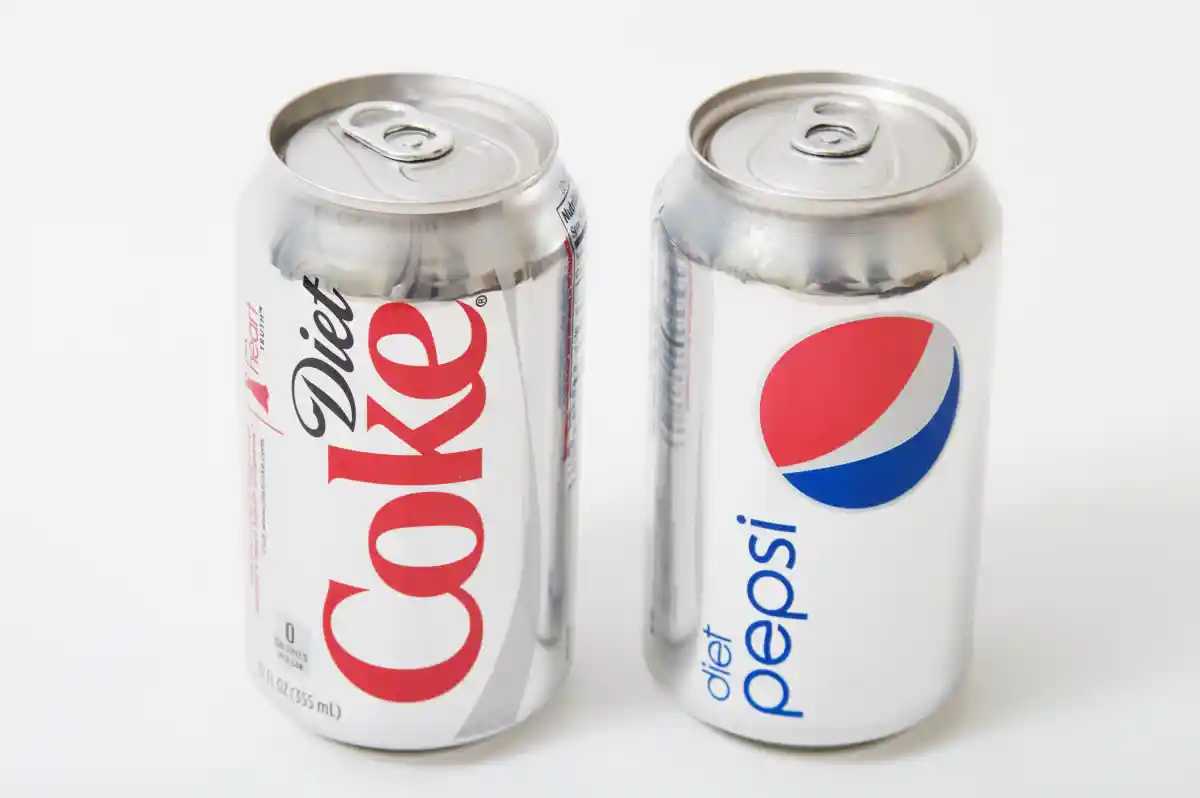
New York is transforming menus into public schools, hospitals and programs for older adults, incorporating more nutritional foods and eliminating dietary sodas and food coloring. These changes affect 11 municipal agencies and more than one million residents who consume 219 million foods and snacks a year.
The Department of Health and the Mayor Food Policy Office updated the New York food standards for foods and snacks bought and served, originally approved in 2008. The new standards seek to reduce chronic diseases such as obesity, diabetes and cardiovascular problems, “increasing access to healthy foods.”
The new standards, which will enter into force on July 1, 2026, expand restrictions on low or without calorie sweeteners for all ages, while before they only applied to children under 18. “Dietary soft drinks are an example of food with these sweeteners, which will now be prohibited for all,” said Elizabeth Solomon, executive director of Nutrition Policies of the Department of Health.
Solomon added that these products do not provide nutritional value and that there is no evidence that supports its use to maintain or lose weight. In addition, studies suggest that they could have adverse health effects.
The norms also eliminate unnecessary and potentially harmful additives, such as artificial dyes, and reinforce the requirements to offer entire or minimally processed plant proteins. The snacks should now include at least two food categories: fruits, vegetables, grains or proteins. Examples of options that meet the criteria are hummus with vegetables, fruits with cereal, cheese with cookies and dip of beans with vegetables.
“There will be more vegetable proteins such as beans, nuts and seeds. Every week, snacks must include at least one portion of fruits or vegetables,” Solomon added.
Some officials highlight that these measures seek to provide more healthy options and build a healthier city. “With the new standards, the New York Health Department reinforces its efforts to increase life expectancy by attacking chronic diseases,” said the Interim Health Commissioner, Dr. Michelle Morse.
Surveillance groups consider that the changes will improve the nutrition of many New Yorkers and will bring healthy foods to those who have limited resources. “We must take advantage of the power of the government’s food policy to put healthy food available to everyone,” said Anupama Joshi, vice president of the Center for Science in the public interest.
The city had already banned soda and processed meats, and the new standards extend these restrictions. Fruit juices must be 100% juice, a program that is maintained. “By guaranteeing that any New Yorker that accesses the city’s meals receives nutritious foods, we are addressing structural inequalities that hinder healthy eating,” said Nevin Cohen, from Cuny Urban Food Policy Institute.
Mayor Eric Adams described the new standards as a key step to improve the health of New Yorkers and stressed that his personal change to a plants -based diet helped him to reverse his prediabetic status. “We promised that all New Yorkers have access to fresh and healthy foods. When reviewing the meals we serve, we are making New Yorkers healthier,” he concluded.