
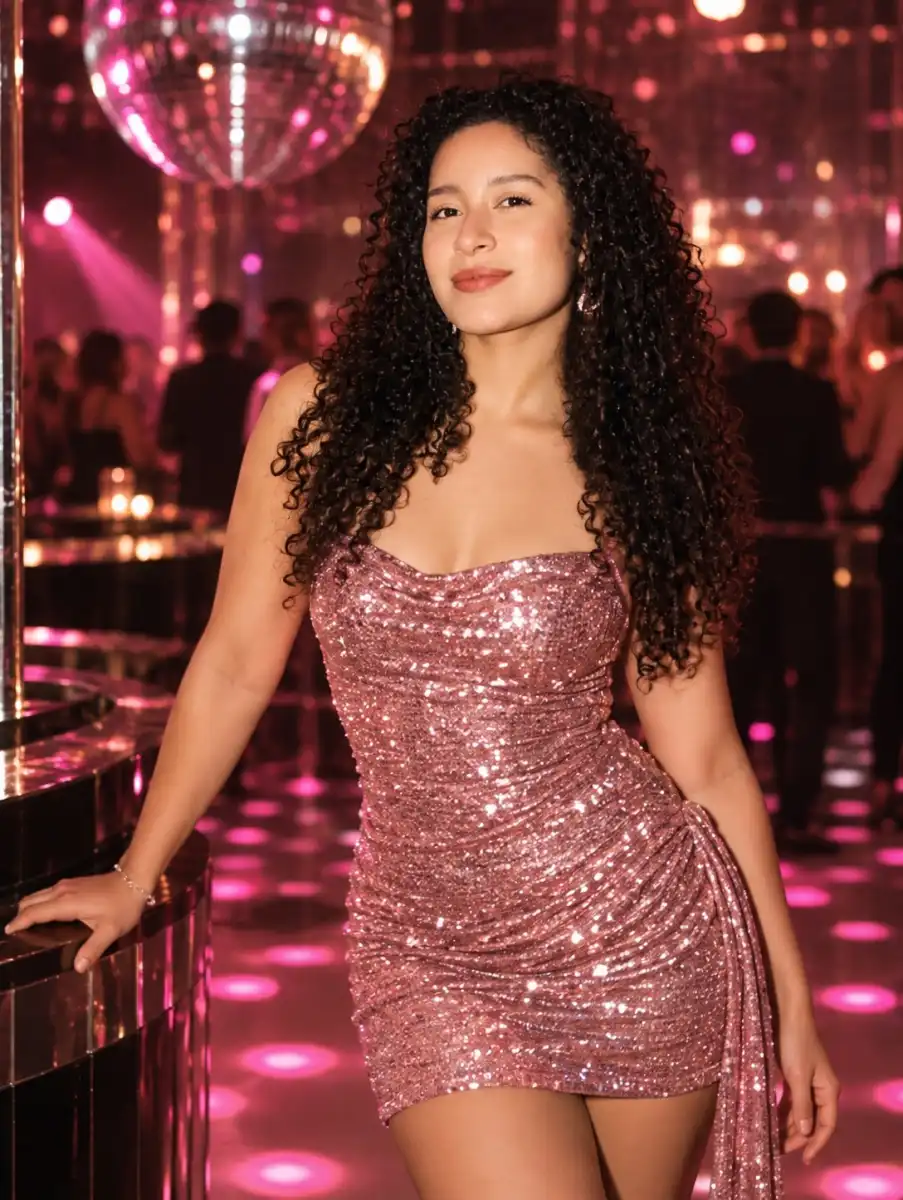
With “DIVA,” AIMEE not only presents a new song, she also tells some of her own story. Born in New Jersey and with Ecuadorian roots, the singer talks about how music led her to reconnect with Spanish and Latin culture, about the experiences that marked her career and what it means today to make her way as an independent artist. In this conversation, he also shares why he chose salsa to express the message of his single and what he wants to explore in this new stage. Read the full interview and meet the woman behind “DIVA”.
“DIVA” marks the beginning of a new stage in your career. What changed in you, both personally and artistically, so that you felt this was the time to present a more authentic and free version of yourself?
If I’m honest, when I started writing “DIVA” with my mother, who is also part of my work team, I was very nervous because I felt that the song conveyed exactly what I had experienced. I have participated in several contests and television shows on Telemundo and Univision, including La Voz Kids, La Banda and Reina de la Canción. After this last one, I felt like I needed to take some time for myself, grow, mature, and learn a little more about life. During that period I didn’t promote myself much on social media or publicly as an artist.
Therefore, writing “DIVA” meant returning to that world that I love so much, but also facing the fear I felt of returning. Honestly, when I started writing it, I didn’t feel ready. However, I listened to the song over and over again and realized that it conveyed precisely the message I needed to hear: that drive to keep going. In some ways, “DIVA” was the song that prepared me to come back.
The title “DIVA” can have different interpretations. What does that word mean to you and how did you want to redefine it through this song?
For me, being a diva means being authentic, accepting yourself as you are. If you feel sad, acknowledge it and understand that you don’t have to be one hundred percent all the time, because you can be in the future.
Being a diva is being authentic and, no matter what happens in life, getting up again and again. That’s what makes a woman strong and, to me, that’s precisely what it means to be a diva.
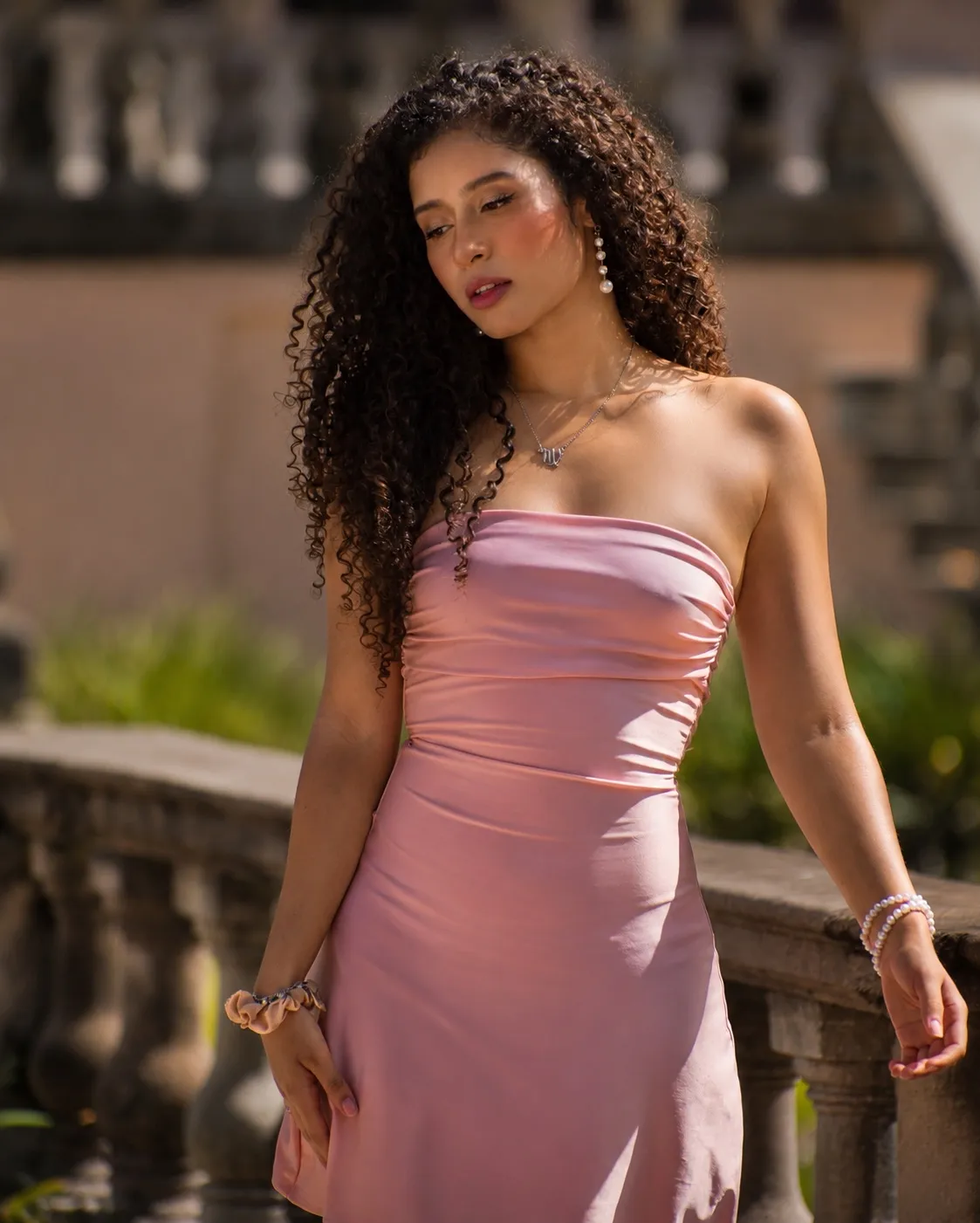
The song has a message aimed especially at women. What would you like a woman who is going through a difficult time to feel or think when she hears “DIVA”?
I would like that when a woman listens to my song, she is left with the message that, no matter what we are going through right now, we are much bigger than any obstacle. We are magic, we are life. A woman has the ability to create life; What can be more powerful than that?
I would love for anyone who listens to the song to remember that this is not just a difficult time or defined by their insecurities. We are much more than the things that stop us. For me, being a diva means recognizing your own power, owning it and moving forward, living and fighting for what you want.
Musically, you chose a modern tropical salsa to present this new stage. Why did you feel that this genre was the right one to convey the strength and energy of the song?
When I think about the message of the song, I feel like it shouldn’t be presented as something sad or melancholic. For me, salsa is always related to celebrating, dancing and enjoying. Getting up again and again to pursue your dreams, follow what you feel is right, or reinvent yourself is something worth celebrating.
In fact, when I started writing “DIVA”, the song was born with an R&B sound. I liked it, but I felt that it lacked that energy to enjoy, dance and enjoy. Every time someone falls in love with life again and feels good about themselves, that is a celebration, something worth celebrating. So what better than salsa to celebrate a song of empowerment, strength and what it means to be a diva?
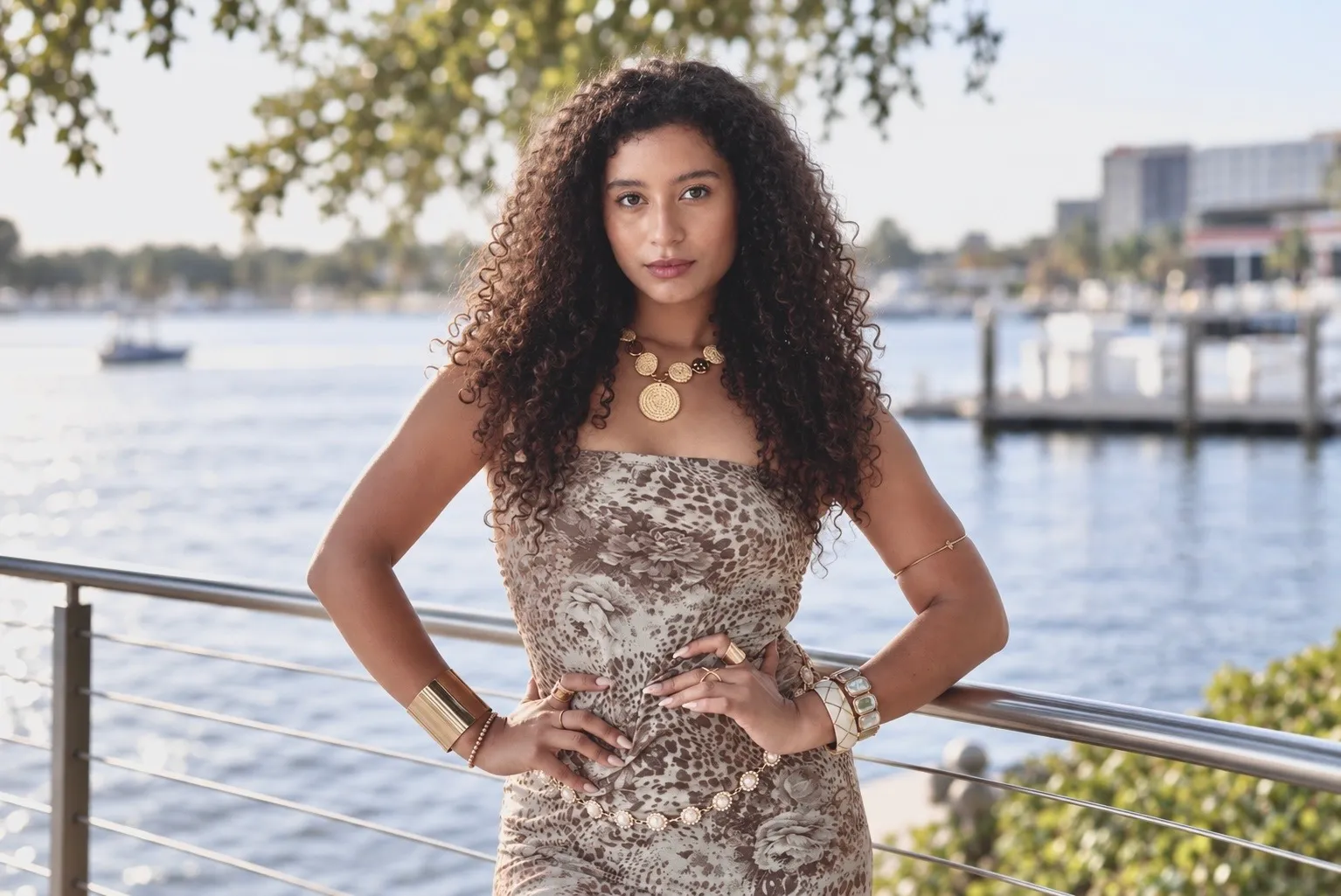
You’ve also made it clear that you don’t want to limit yourself to just one genre. What other rhythms or styles would you like to explore and how do you manage to maintain your own identity while experimenting with different sounds?
I think that precisely the fact of not limiting myself to a single genre is what defines me as an artist. We are in a time where music is bringing people together instead of separating them. That’s the kind of artist I want to be: someone who brings people together and isn’t afraid to explore different genres and even different languages. I really like mambo, merengue, pop, R&B and also a little urban music.
I enjoy experimenting with different sounds because I believe that music has no borders or limits. Additionally, exploring different genres gives us the opportunity to connect with more people. For me, that is the most important thing: to reach not only my Ecuadorian audience, but also other communities.
If “DIVA” is the first chapter of this new story, what would you like the public to discover about AIMEE through the music to come and what dreams do you want to make come true at this stage?
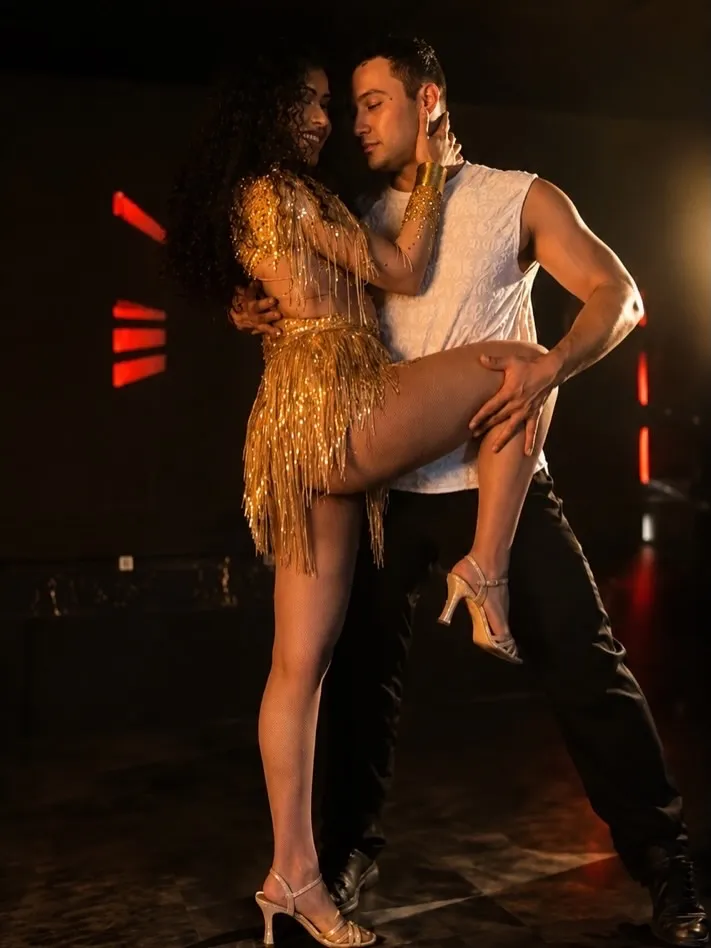
I would like people to recognize that I am an artist who dares to do absolutely everything and who is not afraid to explore. I’m not afraid to dance different styles, even if they don’t turn out well the first time. In fact, I’m not a salsa dancer, but I had to learn the choreography in just two hours and, honestly, I think I did it very well. I am a perfectionist and I work a lot on my presentations and projects, but I also like to dare to do things that I may not have mastered one hundred percent.
One of my dreams is to perform at events such as Premio Lo Nuestro, Premio Juventud and the Latin Grammys. I would love to be part of those shows because I feel that Ecuador needs more representation on such important stages. I would also like to explore acting. When I was in school I took some classes and I have always been told that I am very natural. Maybe because I am very connected to my emotions, it is easy for me to express and interpret feelings through my face.
Has music been present in your home since you were little? Who brought you closer to her and what is the first memory you have of singing or feeling that you wanted to dedicate yourself to music?
One of the most marked memories I have is from when I was very little. My mom always played MTV in the mornings while she was getting us ready for school. I remember every time the video for “Toxic” by Britney Spears came on, I was like, “Wow, I love this! I would love to be like her one day! Of course, as an artist I have always wanted to be AIMEE and have my own identity, but from a very young age I felt that this was the world that called me.
In my family we have always been very connected to music. My mom sings, my sisters sing and almost everyone in the family sings. Therefore, singing came into my life in a very natural way; In my house it was something as everyday as brushing your teeth or brushing your hair. When I was 10 years old I saw the musical film Chicago, I fell in love with that world and decided that I wanted to dedicate myself to this professionally. That’s when I started looking for opportunities.
Where were you born and how would you describe your family and cultural roots? What place does your nationality play in the person and artist you are today?
I was born in Hoboken, New Jersey, and lived in different parts of the state until I was 17 years old. When I was little, my family spoke Spanish at home, so that was my first language. However, when I started going to school, I slowly forgot about it. I learned English and began to communicate with my sisters in that language. When I got home, I spoke in English with my mother and she answered me in Spanish. That’s how we understood each other, but I practically stopped talking about it. When I had the opportunity to participate in La Voz Kids, the program was in Spanish. I understood everything they said to me, but I didn’t know how to respond, so I had to relearn the language.
My participation in La Voz Kids, La Banda and Reina de la Canción opened the doors to a completely new world for me. I used to listen to mostly American music, like pop, R&B, and rap, but those experiences allowed me to reconnect with my Ecuadorian roots. I started listening to urban music, I discovered salsa and my mother taught me to dance it at home. I am very grateful because those programs helped me connect my two identities: my American side, because I was born here, and my Latin side, through my Ecuadorian roots. Everything I learned from those shows and from the great industry figures I had the opportunity to work with is part of who I am today as a woman, artist, songwriter and producer. That’s what I want to share with my audience.
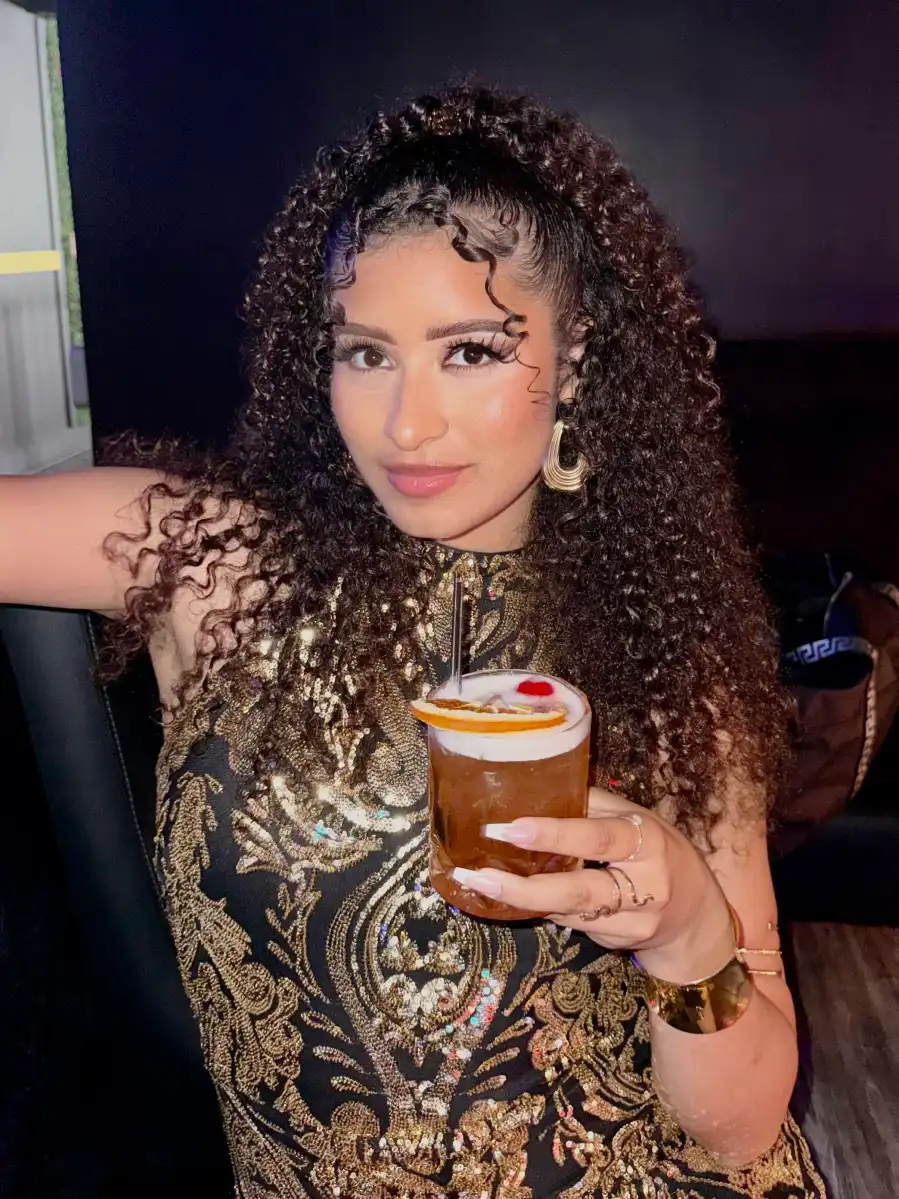
What does it mean to you, from your own history, to be a woman who defends her dreams and decides to take the reins of her life?
Since I was very little I have always been the most mischievous and rebellious girl in my family, the one who never left anyone’s side. But I also had a very strong sense of my values and what I considered right. I think what I was missing was a certain direction, and when I found that direction in music, all those qualities of being rebellious and daring started to find their place. Being able to express that side of my personality through my music has been one of the most liberating experiences of my life.
I think that’s also what it means to be a diva: recognize all those qualities you have and not see them as something negative, but learn how and when to express them. I am a person who, no matter the obstacles that come my way, will always fight. I had to relearn Spanish to participate in those programs and I have never been afraid to learn, make mistakes, fall and get back up. That is the message I want to convey with my song, but also something that I myself needed to remember: I am poetry, I am voice, I am singing, I am magic. I hope that every woman who listens to “DIVA” remembers that we are much bigger than our insecurities and life’s obstacles, and that every time we wake up we have something to celebrate.