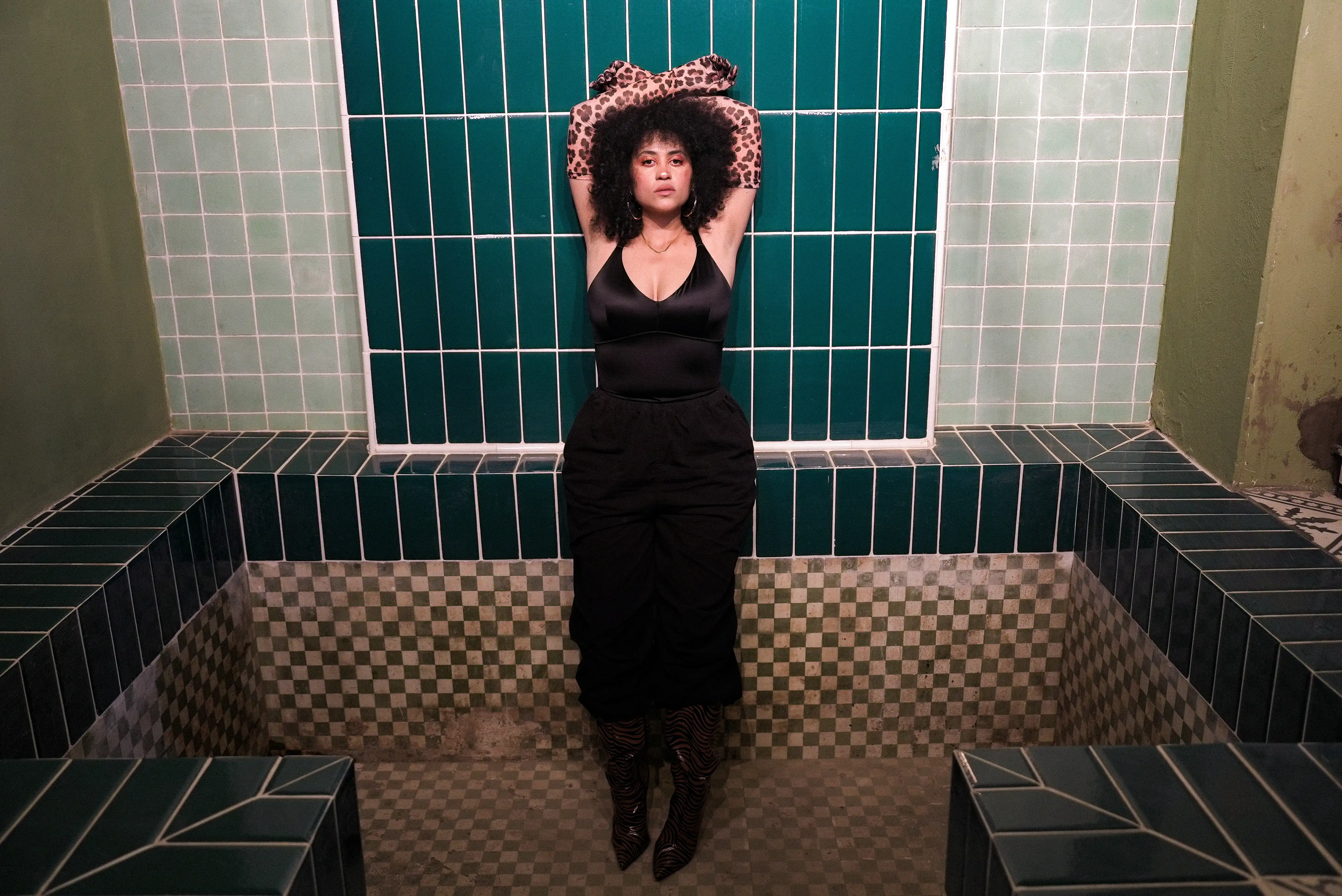
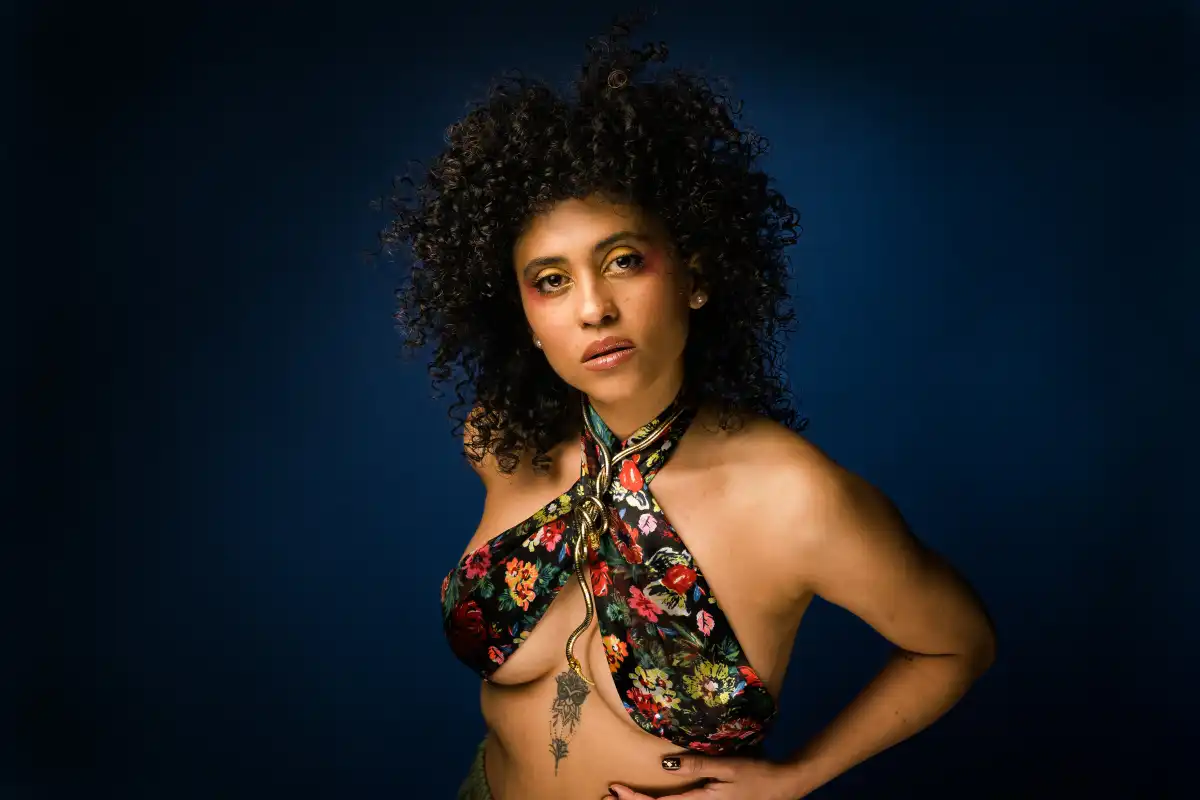
New York City is once again the cradle of talent and artistic evolution with the arrival of “Animal Distinta”, the new single by Colombian singer-songwriter Alea, a voice that from La Guajira found in the city a space to reinvent itself and create its own musical proposal. With this song, Alea celebrates those who have changed, healed and dare to embrace a new version of themselves.
Based in Queens, the artist fuses her Colombian roots with sounds such as cumbia, vallenato, R&B, pop and global rhythms such as amapiano, building a proposal within the alternative Latin scene. His album Alborotá was recognized among the best Latin music works of the year by media such as Rolling Stone and NPR, and now “Animal Distinta” opens the way to his next album project.
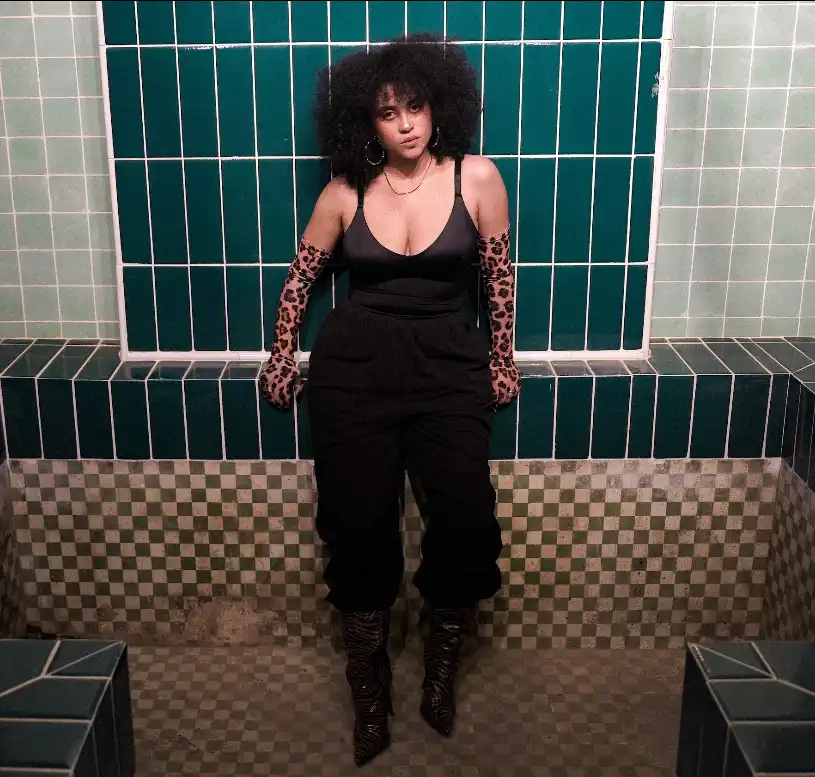
In an interview with Noticia NY, Alea talks about the personal transformation that inspired the song, the power of recovering her identity through her hair and how New York became the stage where her guajira roots found a new way to roar. Read the full interview and discover the story behind “Animal Distinta”, the song with which Alea leaves her mark on the city’s Latin scene.
“Animal Distinta” was born from a moment of transformation. What was that moment when you looked at the person you were before and understood: I am no longer the same?
I think it was the day my ex called me and started asking me questions, and I said to myself, “Why am I having this conversation?” There are times when a lot happens, right? It’s not just about a romantic relationship. I felt like I made a very strong decision in all areas of my life: romantically, at work, and in my way of living.
I realized that I wanted to live happily, that I really wanted to aim for that. And to get to that place I had to let go of the things that were no longer working, allow them to leave my life and embrace this new version of me that already had that awareness and that acceptance. It was understanding that the new also comes when one lets go of what has already completed its cycle.
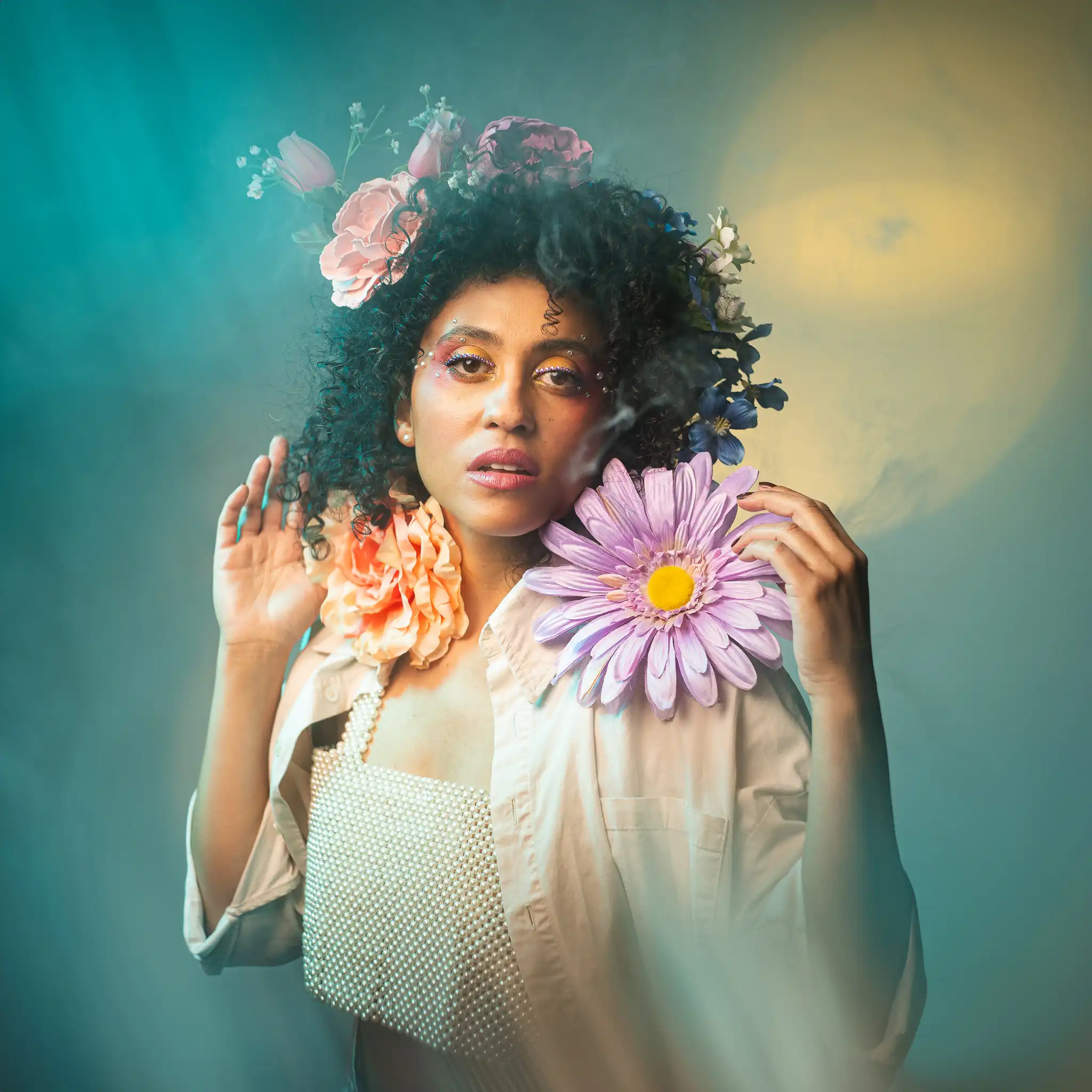
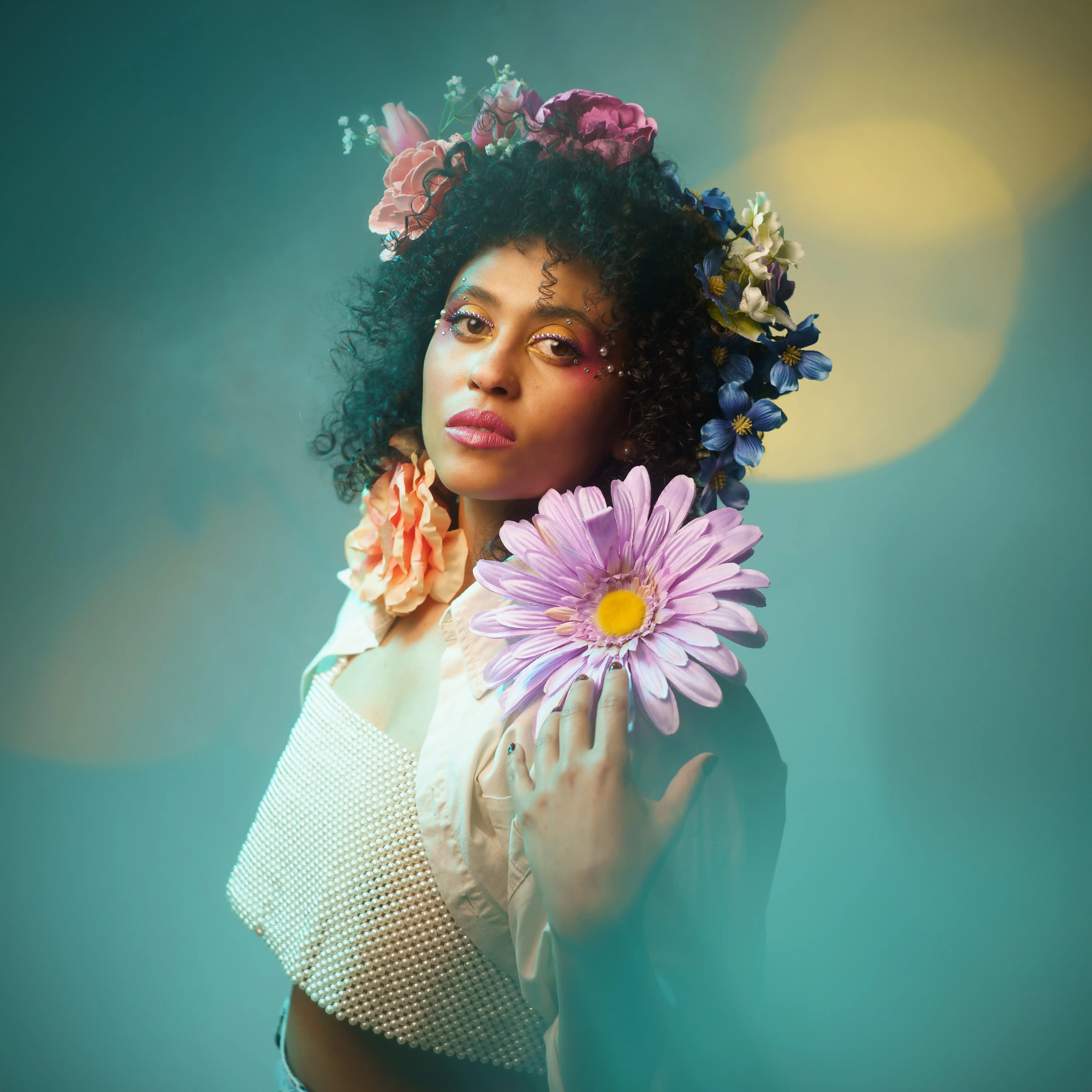
Your hair is one of the most powerful symbols of the video and your story. They told you that you had “bad hair” and that you should change it. How did you turn that childhood wound into a source of pride, identity and strength?
Since I was little, my hair was always a topic of conversation: “Why don’t you comb your hair?”, “Why don’t you straighten it?” In Colombia there is a lot of pressure to wear straight hair and I grew up with the idea that I should change it.
That started to change when I understood that the only person who could live my life was me. I didn’t want to be enslaved to the iron or to meeting the expectations of others; I wanted to create, write songs and be free.
In the video I wanted to show that transformation through my hair, not as something external, but as a version of me that was always there and that I finally decided to embrace.
In the song you talk about embracing your new fangs and your scars. What parts of the Alea of the past did you have to leave behind?
I had to leave behind the complacent Alea, the one who tried not to bother, the one who left her own needs for later or made decisions thinking too much about others.
I also learned to say “no.” As Latinos, we are often not taught to set limits, but I understood that saying no is also a way to take care of yourself and know what I want for my life and my career.
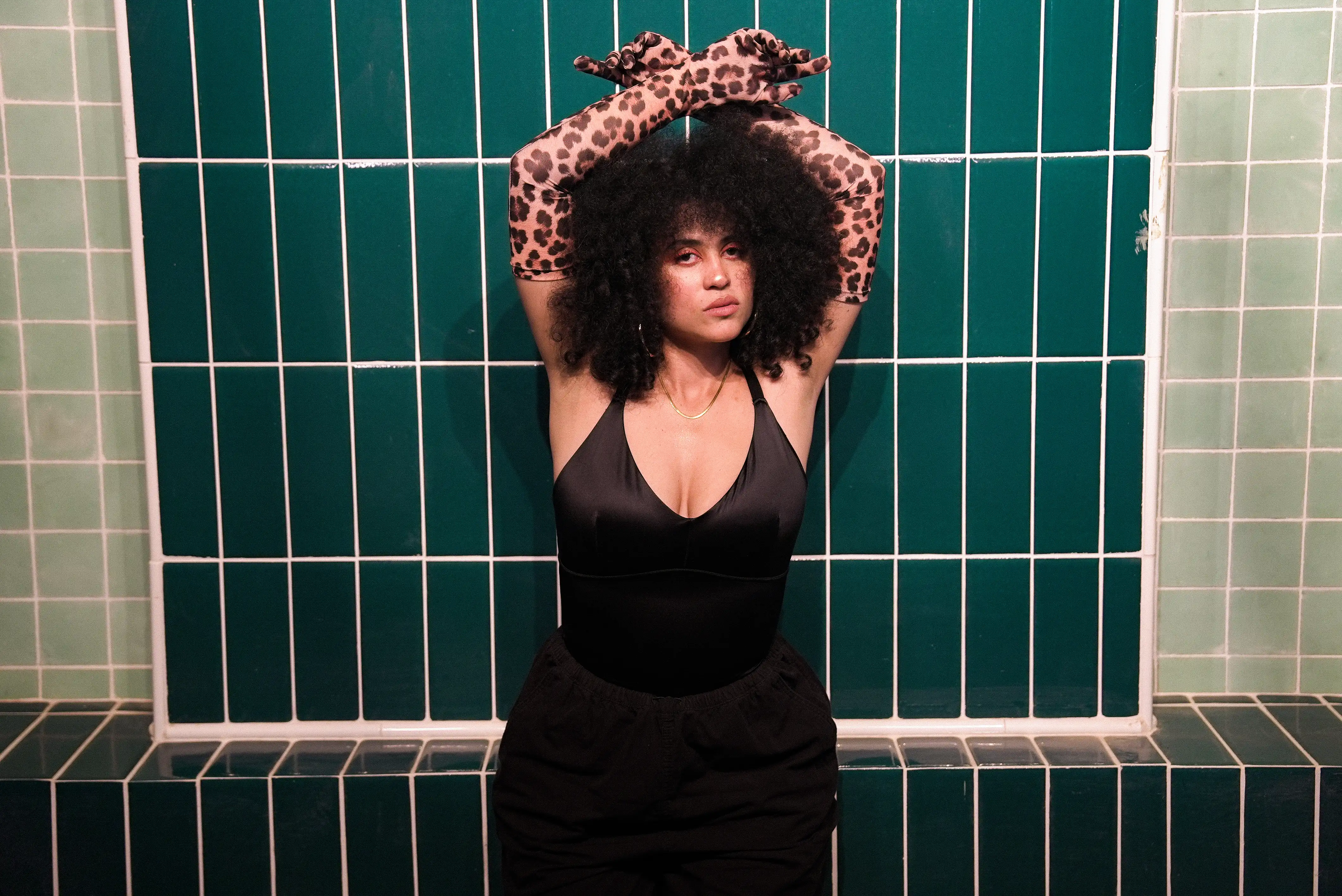
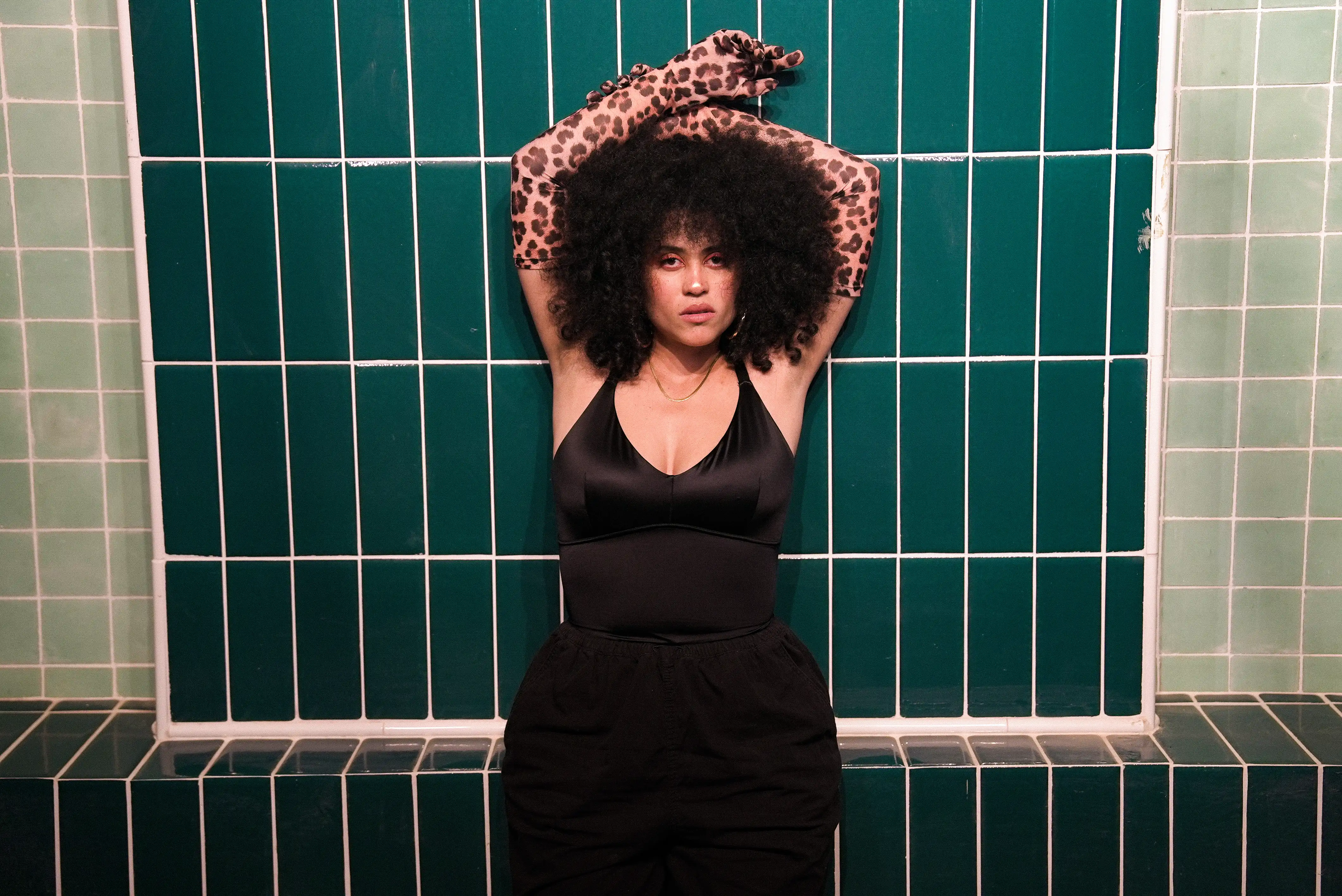
You come from La Guajira, you live in New York and you mix traditional sounds with global influences like amapiano. How do those worlds meet within your identity and your music?
Since I was little I was curious about world music. When I arrived in New York that curiosity grew because it is a city where many cultures and sounds coexist.
I love finding connections between different places, like the roots that unite Colombian champeta with African sounds. With the amapiano I also wanted to explore something new, but respecting its origin and recognizing where it comes from.
Your music mixes cumbia, vallenato, rancheras, R&B and pop. What do you seek to convey when you combine different genres and cultures?
I seek to connect with something that already exists within people. I think that when someone listens to a song and finds a little piece of themselves, something special happens.
My intention is to create music that sounds new, genuine and fresh, but also has an emotional connection.
After the recognition of “Alborotá”, included among the best Latin albums of the year by media such as Rolling Stone and NPR, what changed in your way of making music?
For this album I wanted to explore more the electronic side without forgetting Latin American folklore. I also worked with new producers and allowed myself to explore sounds that perhaps were previously questioned by the academy.
I wanted to maintain the essence of Alborotá, but also take it towards a more space of celebration and dance.
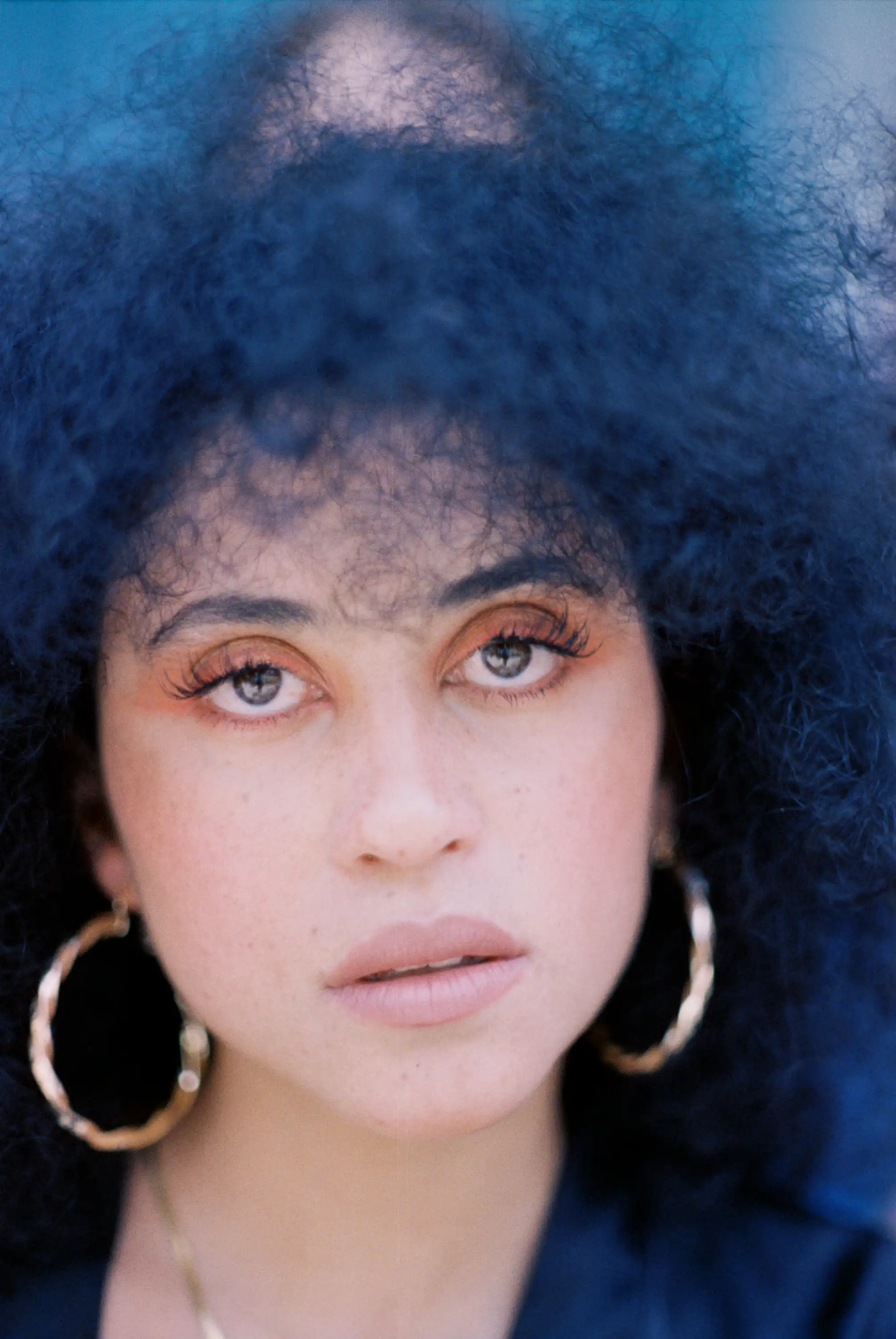
This single leads the way to your new album in August. What can the public expect from this new stage of Alea?
It will be a much more raw and real album. I talk about pain, transformation and everything that is born when things change or break.
We take great care of the lyrics, the production and the visual part so that people can feel accompanied, because in the end we are all going through similar processes.
This song seems like an anthem for those who have had to reinvent themselves. What message do you want to leave a woman who is going through a transformation?
It helped me to imagine the happiest version of myself and ask myself where I wanted to be in a few years. That vision helped me make decisions.
I would tell women that we have to make noise, allow some things to break and fight for our happiness. We have to give ourselves permission to be happy because we deserve it.
On July 26 you will share the stage in Brooklyn with Los Mirlos, one of the most iconic bands of Peruvian cumbia. What does it mean to you to be part of this musical meeting?
It’s an honor. Cumbia has been one of my biggest influences and I come from La Guajira, from a region where those rhythms are part of our identity.
Sharing the stage with Los Mirlos, with their Amazonian psychedelic cumbia, is something I never imagined. I am very excited to bring my proposal with my musicians and my dancer, and I hope that people come to enjoy and celebrate with us.