
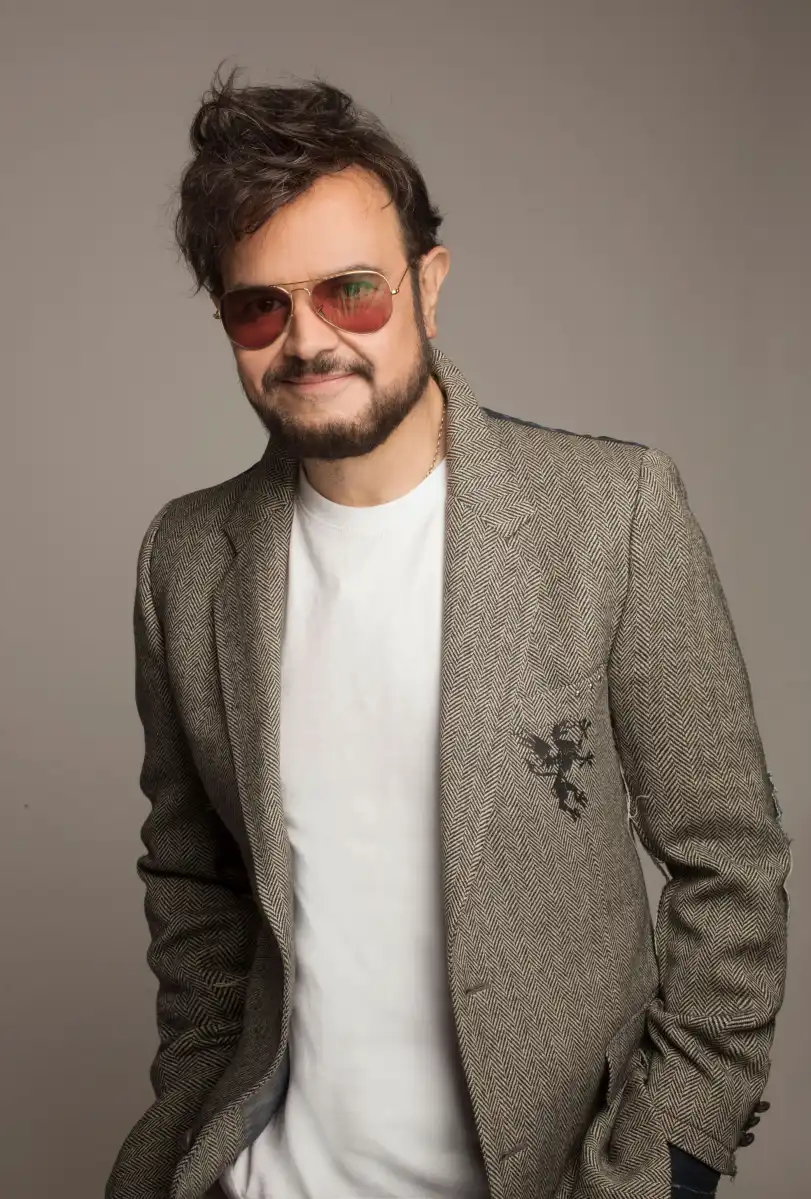
Legendary Mexican singer and songwriter Aleks Syntek is back. After more than 35 years of experience, Syntek will take their music to 12 cities in the United States, starting in New York on April 3 at Tulum Nightclub, in a concert that promises to be a journey through their most emblematic hits and a show full of energy and emotions.
Syntek has marked generations and styles, accumulating Latin Grammy nominations, Billboard awards and an Ariel for Best Film Music. Accompanied by a band of top-notch North American musicians, his Total Syntek tour brings together his most memorable hits, from the 90s to his solo career, mixing nostalgia, dance and moments that bring tears, in a show designed to unite young people, adults and lifelong fans.
In our exclusive interview, Syntek talks about his return to the United States, connecting with his fans, the evolution of Latin music, and his vision for the future of pop. Don’t miss the full conversation and discover how this icon continues to leave his mark on every stage.
After more than 35 years of career, what does it mean for you to return to the stages of the United States and meet again with the Latin public in New York this April 3?
A couple of years ago I did the Three Decades tour and visited several cities in the United States. This time there will be 12 cities, starting in New York. I will be accompanied by some great American musicians, friends of mine who play with Alan Parsons, and that gives a spectacular level to the concert.
This show is going to show Latin people in New York something very special. The tour is called Total Syntek, and I named it that because I will include almost all the singles that were famous in their time: from when I started my career in the 90s with my rock band, with songs like Mis Impulsos Sobre Ti, Más Fuerte de lo Que Pensaba, El Camino, Lindas Criaturitas, to my solo career with Sexo, Pudor y Lágrimas, Por Volverte a Ver, Duele el Amor, No Missing Nothing. I will even sing the Familia Peluche song, from the Eugenio Derbez series.

I want the concert to be very dynamic. I like that people come out with energy, with good vibes and desire to do things. It is a show that takes you through different emotions: some songs can bring a tear to your eye, others make you dance. I have never liked being linear; For me, a concert should be an experience with different atmospheres that make people experience something memorable.
You have transcended generations with songs that marked the 90’s. How do you manage to maintain your essence while continuing to evolve in an industry that constantly changes?
I have never followed fashions or trends. I’ve always done Syntek-style pop-rock, and people know what to expect from me. Even young people who previously saw me as “the artist my dad likes” now discover my music. By not using bad words or being vulgar, my music unites generations, and that is very nice.
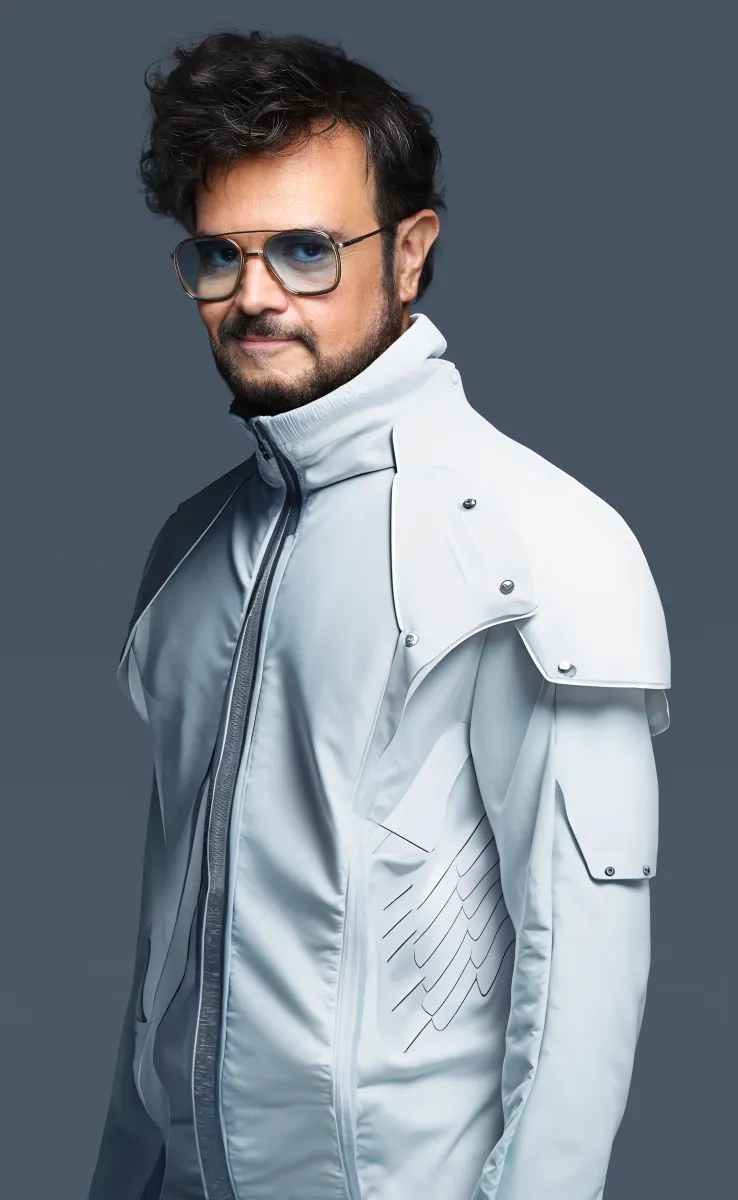
In an industry dominated by streaming and virality, do you think that musical quality has taken a backseat to numbers and algorithms?
Yes, the algorithm measures virality, not quality. Before we challenged ourselves and the public. Today many artists become copycats because they must look like what is fashionable, which affects diversity and cultural evolution. It is as if in literature we only read the most popular, leaving aside the profound. This also happens in music.
With multiple Latin Grammy nominations and an Ariel for Best Film Score, what recognition has been the most significant in your career and why?
Son! They have all been important, but the Ariel was very significant because I didn’t win it as a pop musician, but for the instrumental music of a film, for the score. That speaks of my profession as a musician: I am not here on a whim, I am a musician by vocation. I also received awards such as the Silver Goddess for the Cantinflas film. They are the most important film awards, and they all honor me very much.
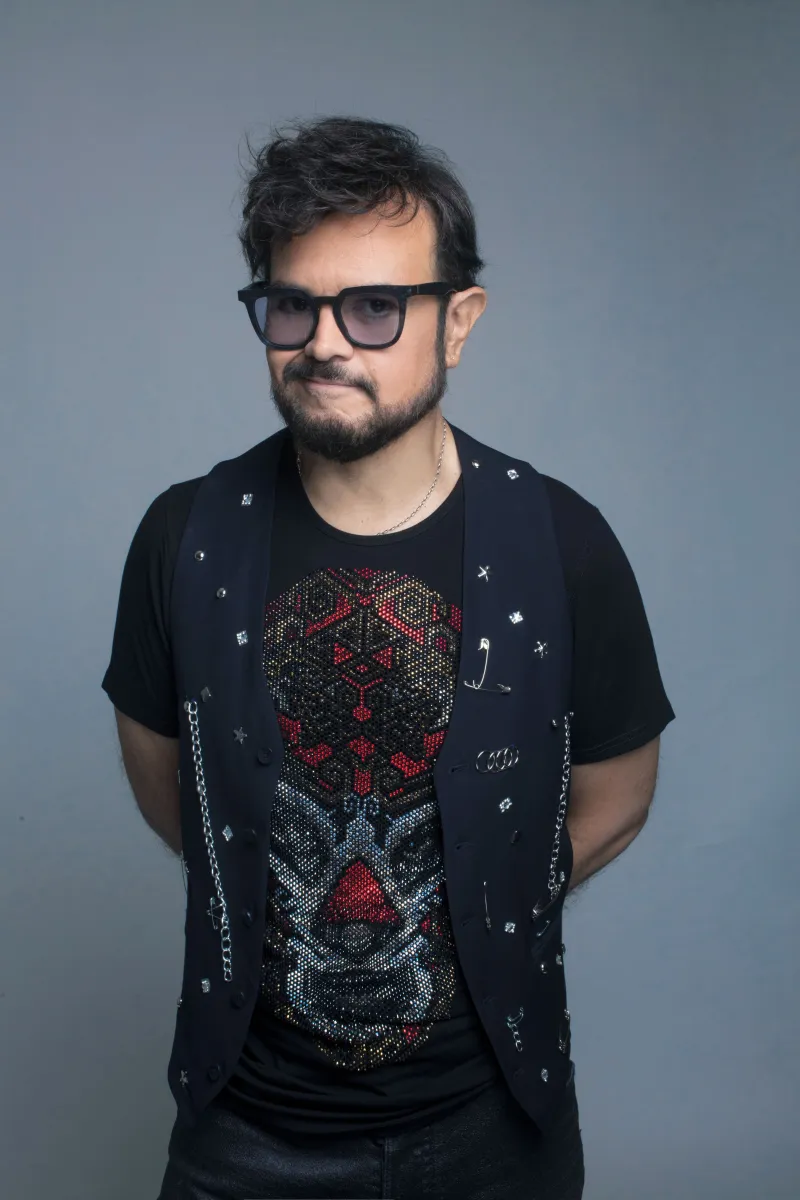
Looking back, what would you say today to the young Raúl Alejandro Escajadillo Peña who dreamed of devoting himself to music?
Keep wanting it. There is no manual for success; The most important thing is to be yourself, be genuine and stand up for what you do.
If you had to define Aleks Syntek’s legacy in a single idea, what would it be?
Energy. My music transmits energy.
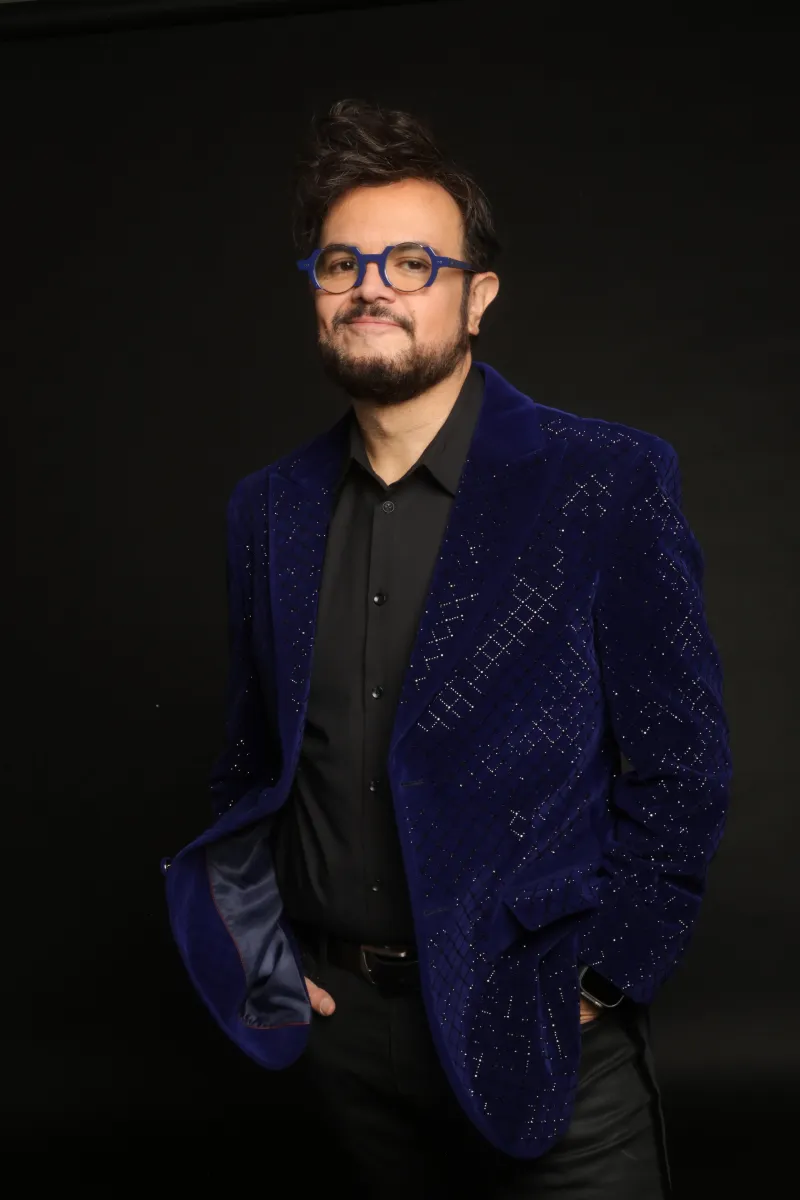
If you wrote a song today about your current life, would it be more about hope, reflection, or gratitude?
Definitely gratitude. I feel very lucky for everything I have done. I have made the music I wanted and my audience has listened to it. I have never followed fashion, I always come up with my own proposal and that connects with my fans. That’s wonderful.
How do you see the future of music? Do you think the trends will remain the same or will there be a revolution?
Historically, each end of the century tends towards decline, and at the beginning of the century a renaissance emerges. I am convinced that there will be a renaissance. People are going to get tired of artificial intelligence and everything digital, and they will start looking for the tangible, the real, the human.