
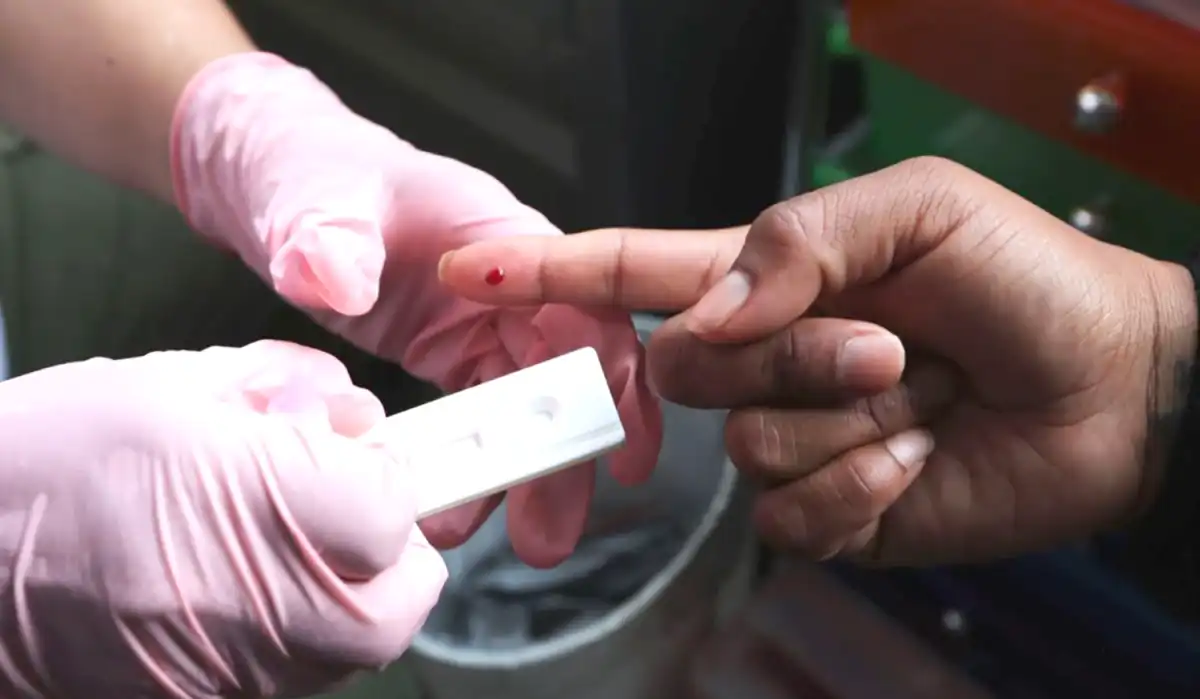
In our community, it is essential to stay informed about our health, and one of the most relevant and urgent topics is HIV (Human Immunodeficiency Virus).
Knowing your HIV status and taking steps to prevent infection is not only essential for your personal well-being, but also for protecting those around you.
Why is it important to know your HIV status?
Early diagnosis of HIV can change the course of a person’s life. While HIV remains a public health concern, advances in medicine and treatment have allowed people with HIV to live long, healthy lives, as long as they receive early and appropriate medical care.
By knowing your status, you can make informed decisions about your health, access effective treatments, and reduce the risk of transmitting the virus to others.
It is important to remember that HIV may not present obvious symptoms for years, making early diagnosis a crucial component of maintaining overall health. In fact, many people live with HIV without knowing it. Therefore, getting tested is an act of responsibility both for oneself and for the community.
Alternatives to prevent HIV infection
Fortunately, there are several strategies to prevent HIV infection, many of which are available and accessible to everyone:
1. Consistent condom use:
Condoms are one of the most effective barriers to prevent the transmission of HIV during sexual relations. It is important to use them correctly and consistently every time you have sex.
2. Pre-Exposure Prophylaxis (PrEP):
PrEP is a preventive strategy in which a person takes medications to reduce the risk of contracting HIV, especially in people who are at high risk of exposure. It is a highly effective method when taken as directed by the doctor.
3. Post-Exposure Prophylaxis (PEP):
In the event of possible exposure to HIV, PEP is an emergency treatment that can prevent infection if started within 72 hours of exposure. It is essential to go to a medical center immediately to receive this treatment.
4. Reduction of risk in sexual behaviors:
In addition to preventive measures like condoms and PrEP, practicing safer sex practices, such as knowing your partners and their health history, can also help reduce risk.
5. Education and awareness:
Continued education about HIV and sexual health is key to reducing the spread of the virus. Participating in community activities, informational talks, and educational programs can provide valuable information about prevention and care.
Breaking stigmas and promoting community health
The stigma associated with HIV continues to be a barrier for many people to seek testing or treatment. However, it is crucial to understand that having HIV is not a reflection of a lack of morality or responsibility. Anyone can be susceptible to HIV, regardless of sexual orientation, gender or background.
By talking openly about HIV, we can help eliminate stigma and foster an environment where everyone feels comfortable seeking information, testing and support.
HIV prevention is a community effort that requires mutual support and empathy. The first step to protecting yourself and others is knowing your HIV status. If you haven’t been tested yet, don’t wait any longer. Talk to your health care provider or look for local clinics that offer free, confidential testing.
Community Resources
If you need more information about HIV or want to get tested, many community organizations and clinics offer free or low-cost services.
Additionally, access to preventive medications and treatment is easier than ever. Remember that knowledge is power. Stay informed, get tested and protect yourself.
This article aims to encourage access to information and promote the importance of HIV prevention within our community.
By taking steps to protect our health, we not only improve our quality of life, but we also help create a healthier, safer community for all.