

For Jalil López, music has not only been a career, but a lifeline. The bachatero born in Newark, with Puerto Rican and Honduran roots, is going through one of the most significant moments of his career with the release of Metamorfosis, his first EP, a project that reflects the losses, falls and learnings that have marked his life since adolescence. After losing his mother at the age of 15 and his father at the age of 19, Jalil found a refuge in music and, over time, a means of personal and artistic transformation.
This rebirth today translates into numbers and real connection with the public. Her single “Más Bella,” a modern bachata about female empowerment after a breakup, peaked at #21 on the Billboard charts and was chosen by her own fans as the focus track of the EP. With an authentic sound that honors the essence of bachata while dialoguing with the contemporary, Jalil López begins a new stage marked by maturity, gratitude and the certainty that, as in his music, metamorphosis can also be beautiful.
Metamorfosis is your first EP and arrives at a very special moment in your career. What does this project represent for you on a personal and artistic level?
Metamorphosis represents the process that I have experienced in life. We all have a metamorphosis, right?, a process. And this EP is precisely that for me. I lost my mother when I was 15; at 19, to my dad. And now I feel like everything is happening right now. It’s like the butterfly is finally flying. The project is flying. The EP means all that. It includes different musical genres: bachata, reggaeton, hip hop… there is everything.
The title speaks of transformation. How do you feel Jalil López has changed the most from your beginnings to today?
When I was younger, success came very quickly. I was with Pina Records, I went on tour, I sang in front of thousands of people. But it came too fast and I was too young to process everything that was happening. Today, that I am older, I can appreciate those moments in another way. Now, when I sing to people on the street, one by one, I can value that process much more.
You experienced an early rise with “Princesa Mía” and then a difficult period. Looking back, what lessons did that moment in your career teach you?
Looking back, today I am much more grateful. I’m more involved with my growth and with my fans. In those times it was not like that. It was on the radio, on Billboard, and it was like, “OK, okay.” Today, I appreciate every moment of the process much more.
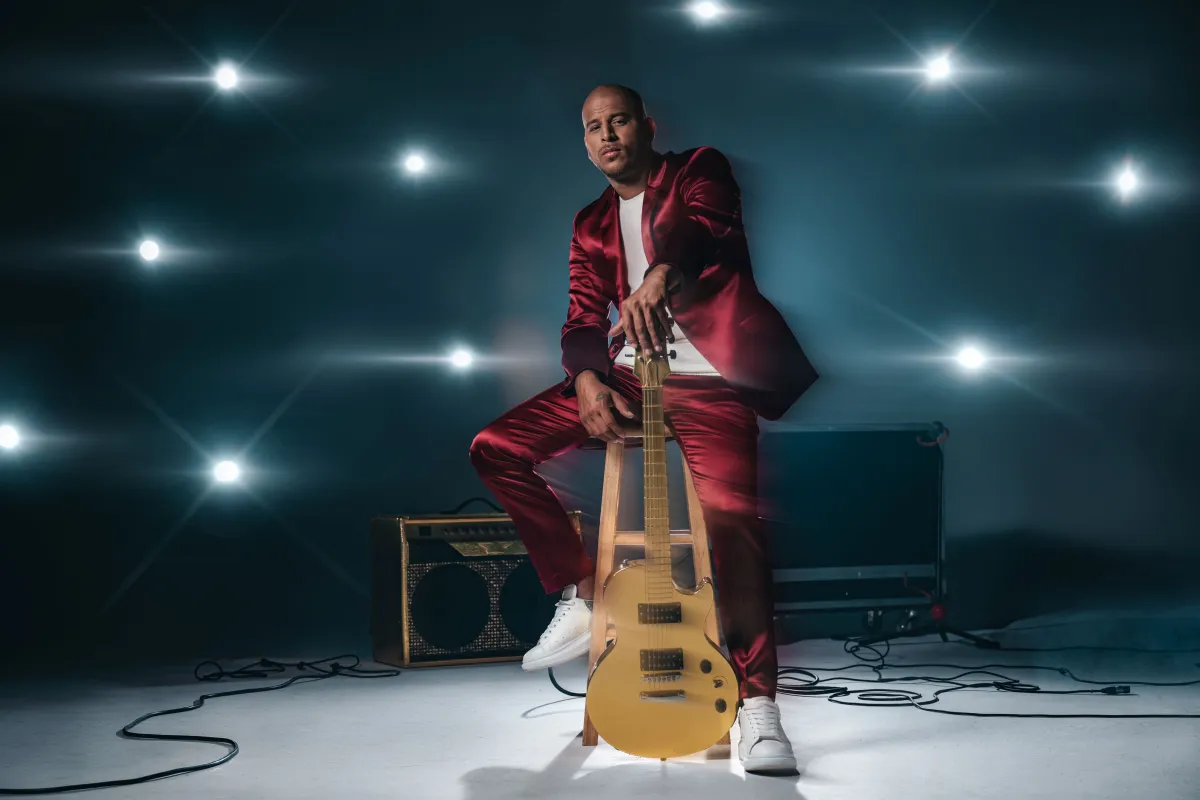
“Más Bella” was chosen by your fans as the focus track of the EP and today it is at #21 on Billboard. What does it mean to you that the public has pushed this issue?
When we were making the song, I never thought that that was going to be the one. When we released the EP, we decided to let the public choose what the title track would be. And I really didn’t think it was going to be “More Beautiful”. Many times we artists and record labels think that a song will be the right one, but people choose another one. I am very happy about that, and even more so because it is a song that inspires, that talks about the process, not only of love, but also of what women experience. It talks about becoming stronger, becoming more beautiful instead of getting stressed. I’m happy, happy about that.
The song talks about female empowerment after a breakup. Why did you think it was important to tell this story from bachata?
Because there aren’t many songs that are a true voice for women. They are sung, yes, but not so many songs speak from their perspective. This song can be a voice for a woman who is going through that process. Many times we artists make songs about heartbreak, about “she left me,” “I love her,” but not always with such a powerful and positive message for women.
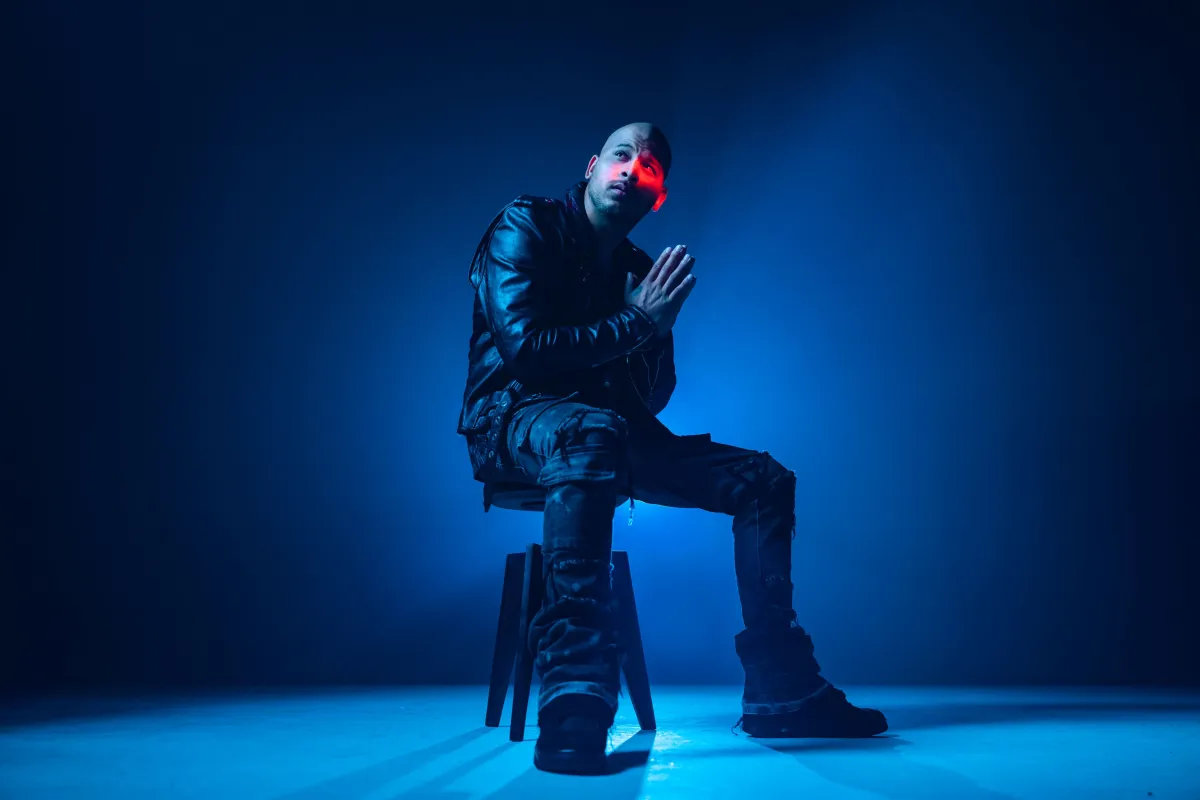
You were born in Newark, with Puerto Rican and Honduran roots. How do these identities influence your music and the way you express yourself?
The culture comes from a young age. My mother listened to bachata, my father also listened to bachata and a lot of music. My dad was Honduran and when he started drinking, you know, Marco Antonio, songs like that. From my dad I think I inherited a lot of love for lyrics, for words, listening to old music. From my mother, the dance, the culture, the essence of bachata. That mix was what led me to create the music I make today.
You have said that music was your refuge after the loss of your parents. How is that story of resilience reflected in Metamorfosis?
In life we all go through processes. When my parents died, I was left alone. I had to learn to defend myself, to survive. Something similar happened in music: I was successful, then I went down, and the question was what to do. Should we stay with our arms crossed or continue working? I decided to continue fighting for the dream. That was also a process of metamorphosis that is reflected in the album.
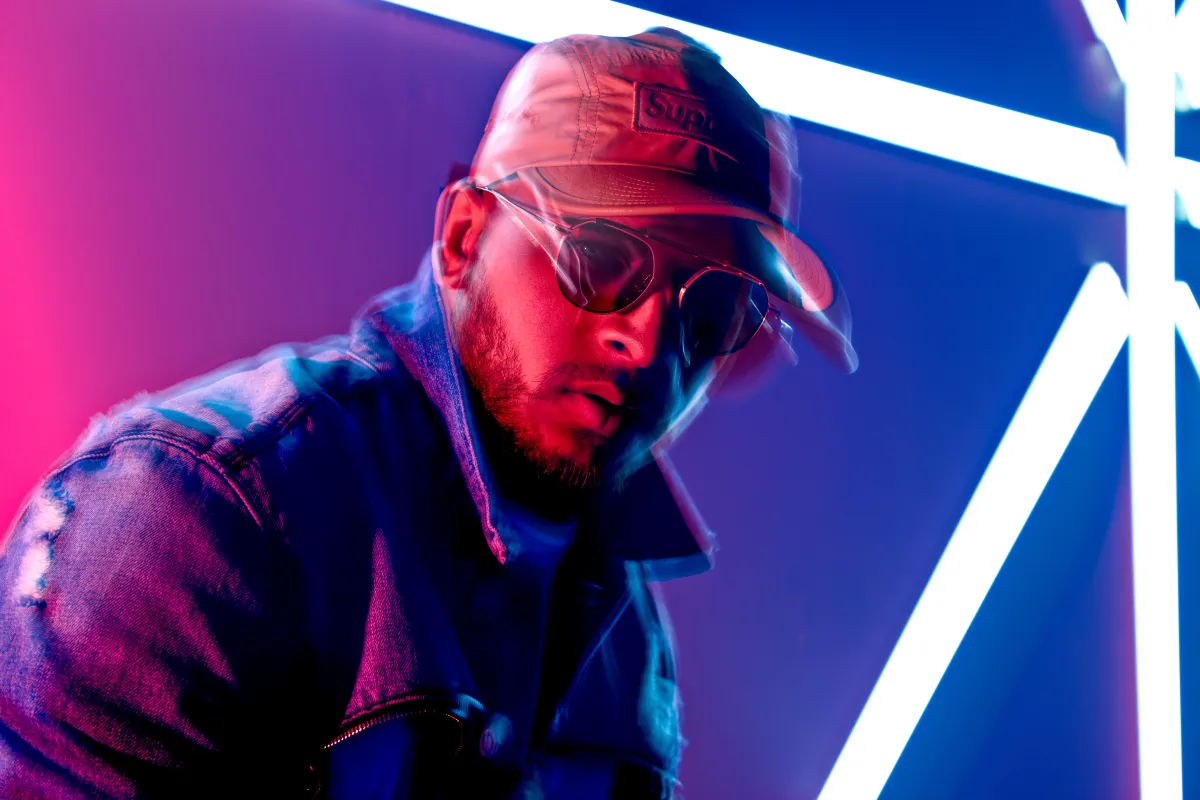
What do you hope the public takes away from Metamorfosis and from this new stage of Jalil López?
Good music. On the album you hear different genres and styles so you can see that I can do many things. Within bachata there are many aspects: romantic, classic, love, heartbreak. There is a lot of all that on the EP.
Do you have any presentations planned for the New York and New Jersey area?
Yes. On February 15 I will be singing in my neighborhood, in Newark, at the Prudential Center. For me it is a huge moment, because I am from Newark and being there is the greatest thing that can happen. We are going to perform at an event called Tropical Invasion.