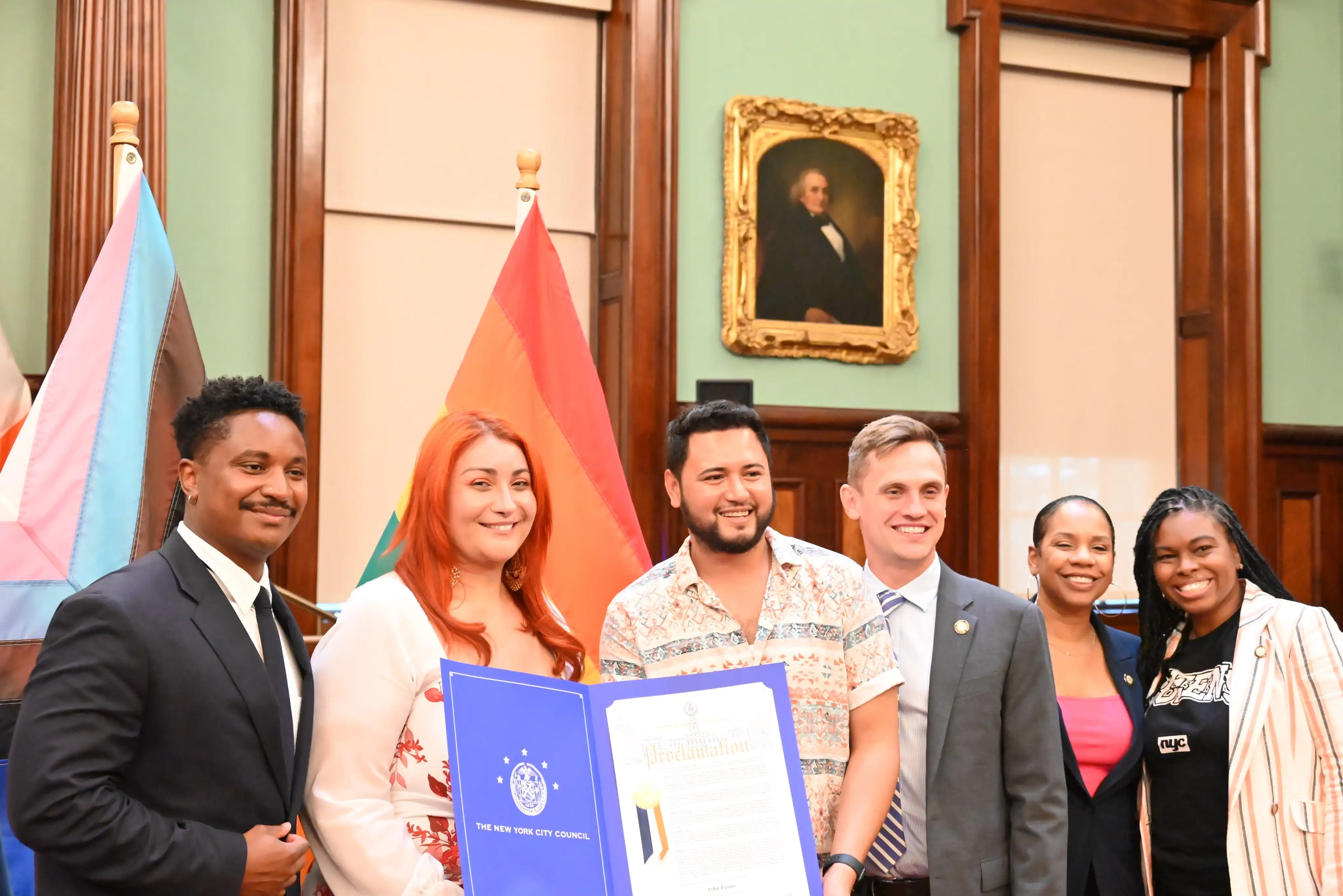
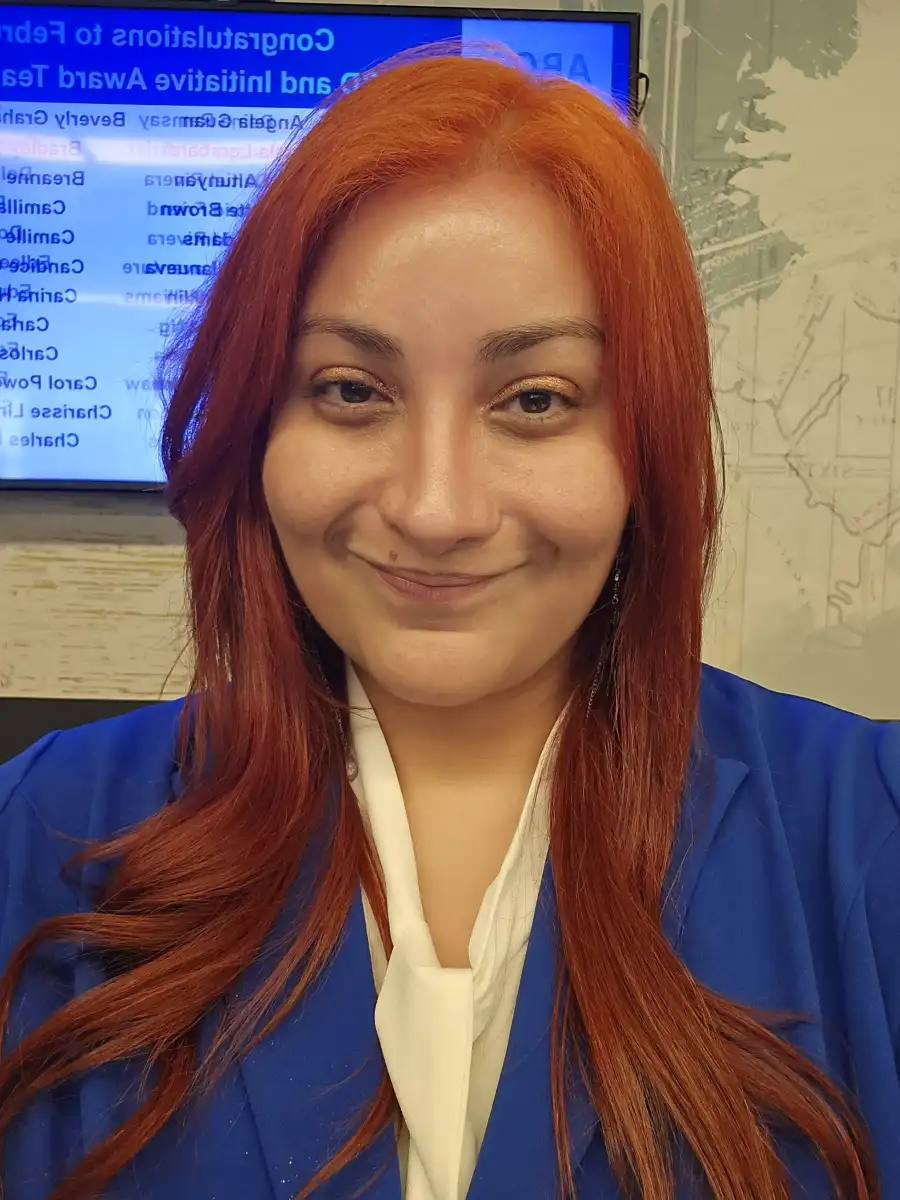
Asha Lyons still remembers the exact moment she understood who she was. She was three years old, she was in front of a shop window in Brooklyn and she saw a doll that changed her perspective on life. He pointed to it with childlike excitement and asked his father to buy it for him. When he told her no, that it was “for girls,” Asha didn’t hesitate for a second: “But I’m a girl.” It was a simple certainty, without explanations, that was born with her and accompanied her even when the world tried to correct her.
Decades later, that same certainty—which for years was denied, ignored, or punished—became the center of a life dedicated to caring for other people who are also urgently seeking to be who they are.
In the Bronx, Asha Lyons doesn’t just remember her story: she works on it every day. Today she is a licensed social worker in the Gender Affirmation Health Program (GAP) at VNS Health, where she accompanies trans and non-binary patients at critical moments in their transition processes, especially after gender affirmation surgeries.
It also trains nurses and other clinical professionals, giving them tools to offer more specialized care to people in recovery. To date, GAP has served more than 4,000 people and trained more than 800 healthcare professionals on how to improve the care of trans and non-binary patients.
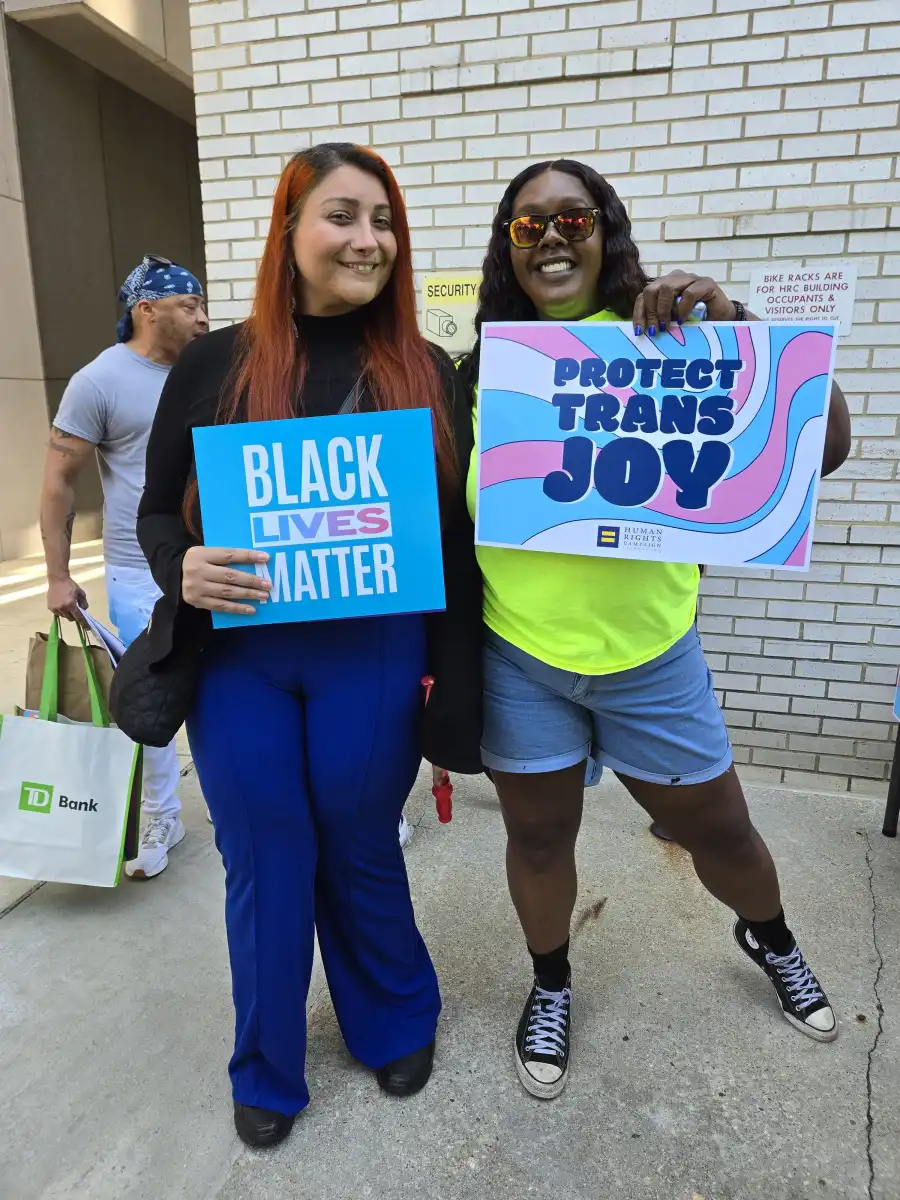
Additionally, Asha manages a $200,000 grant from the New York City Gender Equity Fund at VNS Health. Through this program it coordinates supports ranging from access to food and transportation to counseling and support groups, helping patients sustain their recovery beyond the hospital.
But before arriving here, her life was marked by silence, rejection and lack of access to adequate care. He grew up feeling that his body did not match who he was, and during his adolescence he faced constant discrimination. At the age of 16, she tried to seek medical attention to start hormone therapy, but was denied due to her age. Shortly after, in the midst of pain and loneliness, he attempted suicide.
The turning point came when she found a therapist specialized in LGBTQ+ care, the first person who did not try to correct her, but rather accompany her. From that moment on, his life began to open towards another possibility: that of surviving, and then, that of living fully.
Years later, that path led her to receive gender-affirming care through Amida Care—New York State’s largest Medicaid Special Needs Health Plan, specializing in HIV, sexual health, and gender-affirming care—where she had access to hormone treatment, surgeries, and comprehensive care. “My body finally matched what I always was inside,” he said.
That transformation not only gave him personal stability; It also defined his vocation. Today, Asha accompanies people in the same points of vulnerability that she went through: returning home after surgery, the fear of being alone, the uncertainty of a health system that she often does not understand.
“I want to make sure that no trans person is left alone after surgery,” she says. And in that sentence, your story stops being just an individual journey and becomes a form of sustained care, almost a promise.