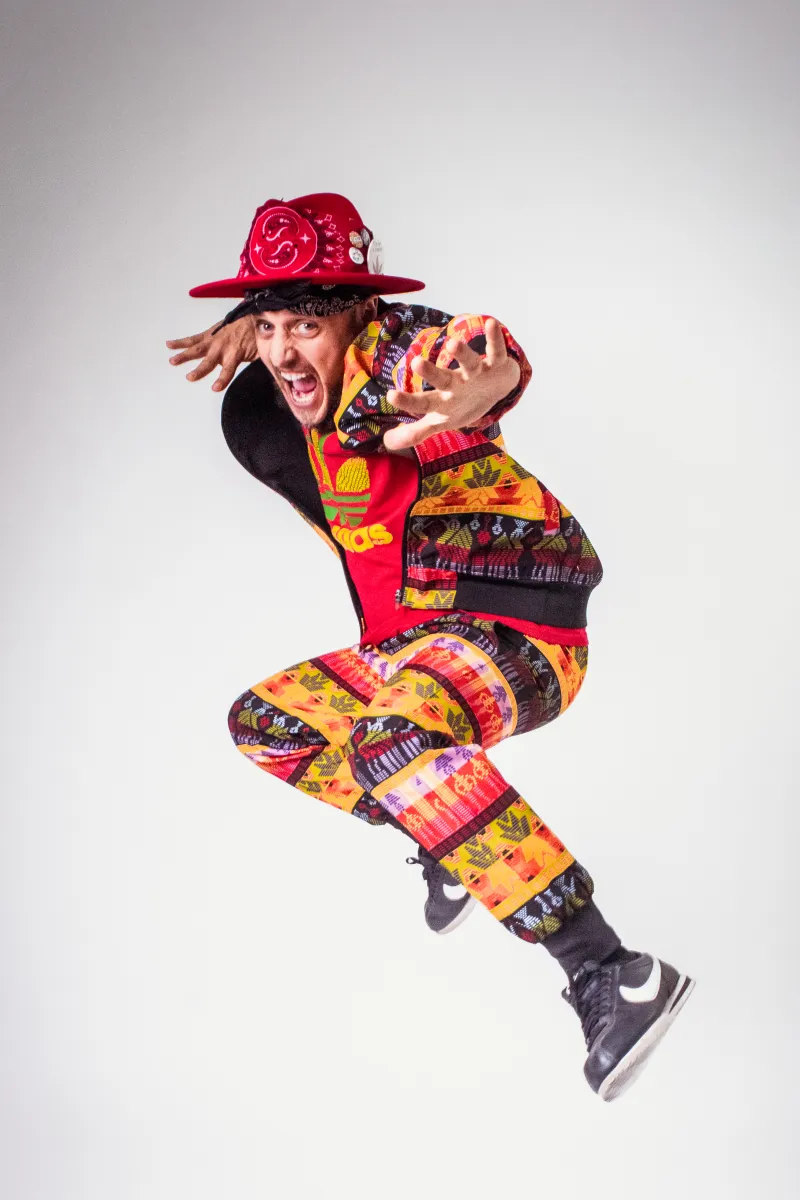
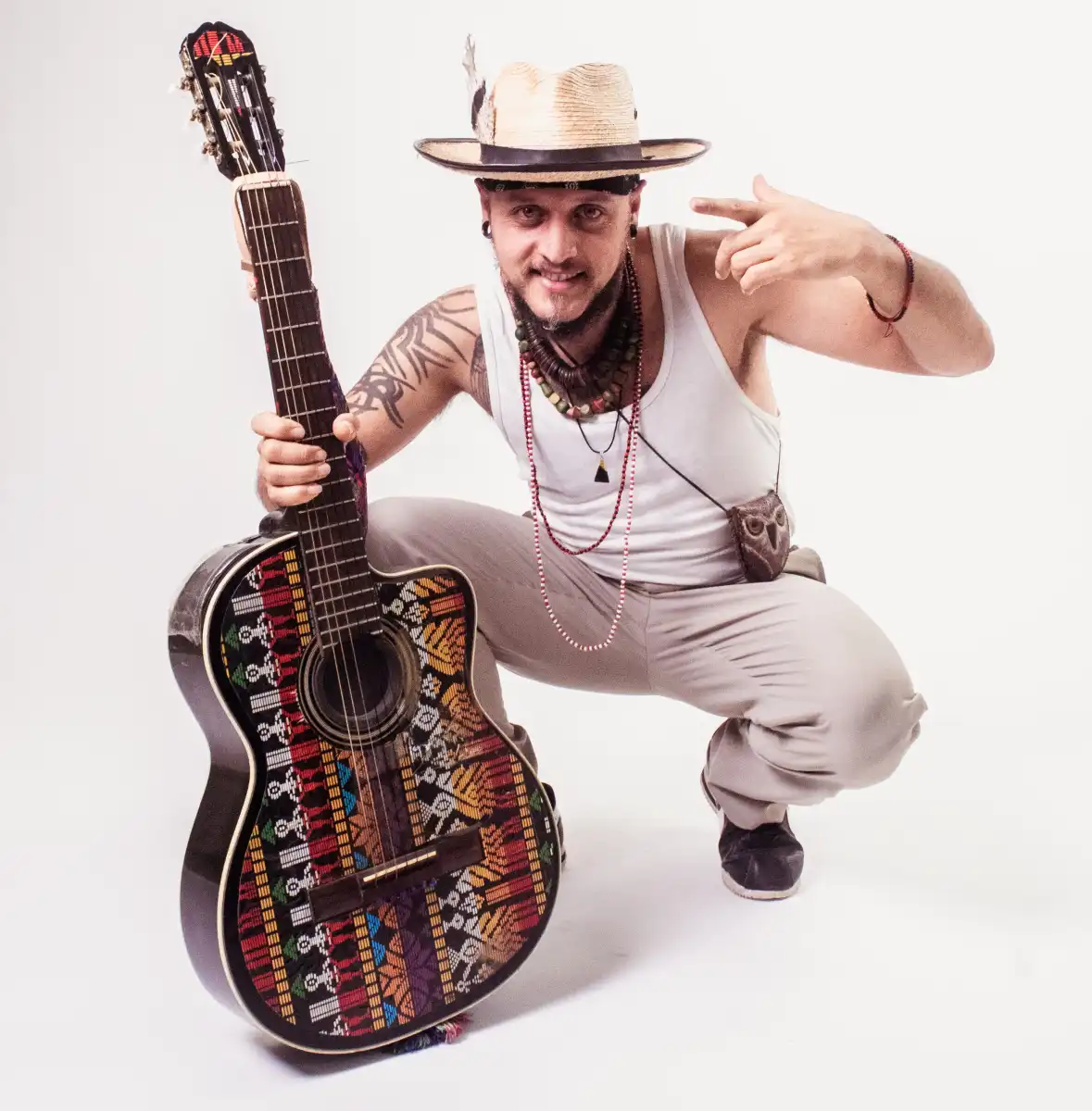
Before conquering scenarios, Doctor Nativo already had a much louder, unpredictable and honest one: the New York subway cars. There, between stations, automatic announcements and distracted glances, he sang to survive, connect and prove something more important than fame: the real reaction of people when music has no filter or production, just street.
Today, that same Central American artist, recognized for fusing reggae, cumbia, hip-hop and ancient Mayan sounds, returns with a new creative chapter: his BarrioKandela EP. The project expands its “reggae-kumbia” proposal with a more urgent, political and spiritual vision, where the neighborhood, memory and cultural resistance become the center of the sound. Since his debut on stages such as Lincoln Center in New York, Doctor Nativo has built a career that unites the ancestral with the contemporary without asking permission.
In this conversation, the artist opens the universe behind the new EP, his vision on identity, migration and spirituality, and the experience that marked his beginnings in the city where he sang on trains to live day to day. BarrioKandela is not just a musical release: it is a declaration of origin, resistance and collective consciousness in times of global fragmentation.
Keep reading the full interview.
BarrioKandela arrives at a time of global crisis. From your perspective, what is failing as a society and what role does your music play in that?
I think what is failing is that we have become very dehumanized. We need to return to consciousness.
My music seeks that. Protest music is often perceived as boring, but we use hip-hop, reggae and cumbia to first connect with the rhythm, dance and energy. Then people hear the message.
Even in places where they don’t speak Spanish, like Norway, they feel the energy. And if necessary, I explain in English what the message is about.
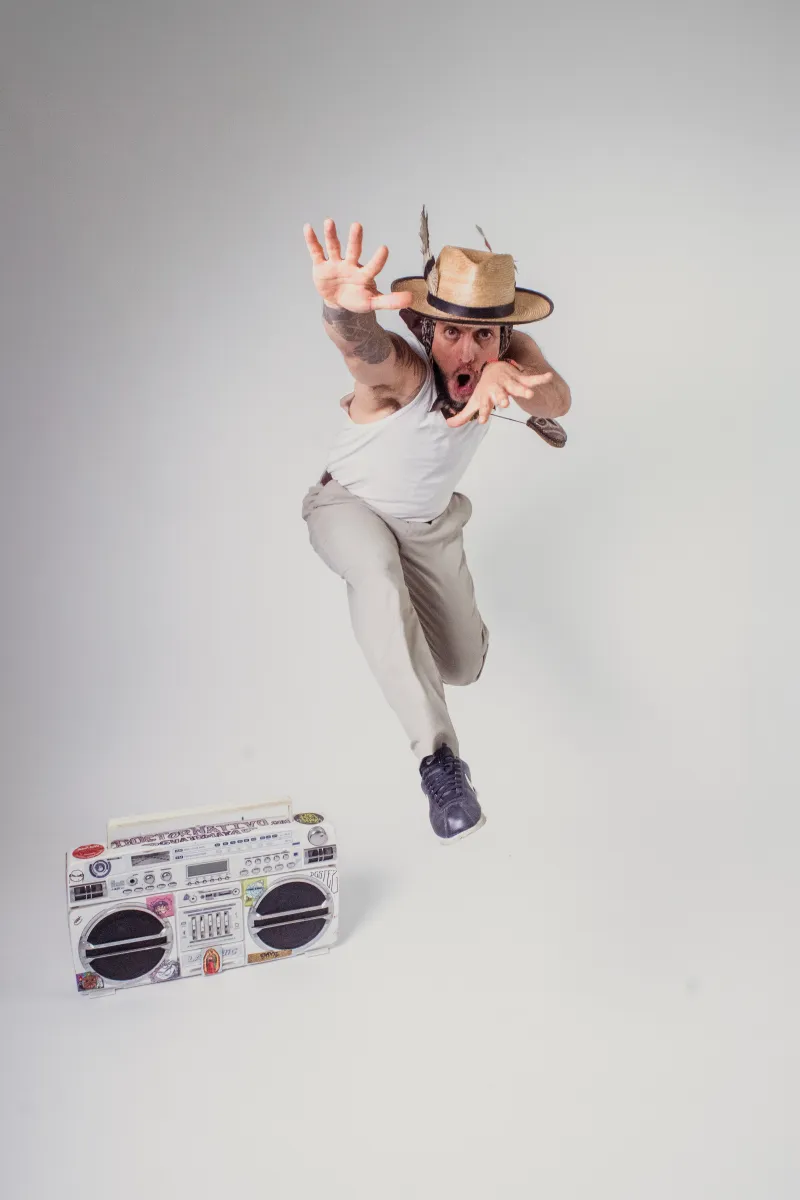
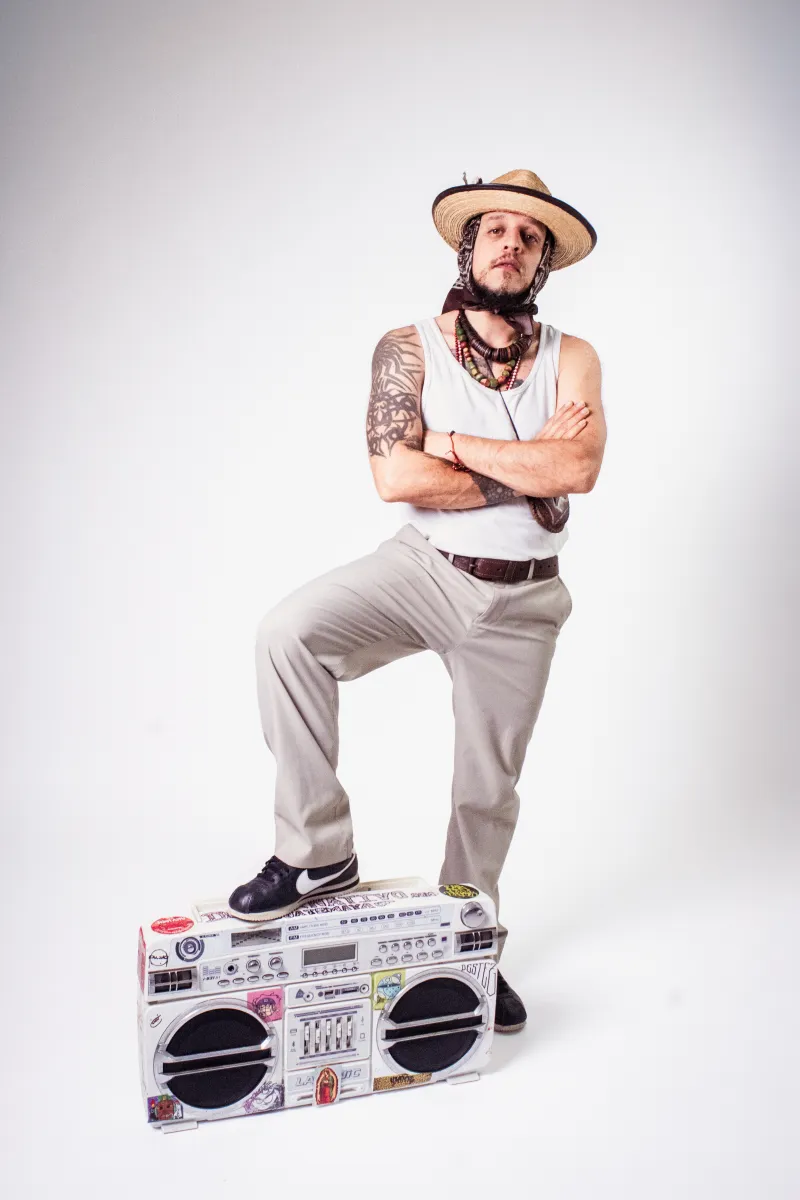
Your proposal mixes Mayan spirituality with urban sounds. How do you translate that heritage for new generations?
We began this work in 2011 with communities in San Marcos La Laguna, working with hip-hop and Mayan languages such as Tz’utujil and Kaqchikel.
This is how we get young people to reconnect with their culture. For me, spirituality is not something distant: it is daily life, being grateful, helping and connecting with nature. That is what we transmit: that the ancestral is still alive and is part of the present.
In the album you talk about identity beyond borders. What have you learned about who we are?
“Latino” does not define us at all. We are native people of Abya Yala.
As the son of immigrants, I feel like we need to let go of the idea that money or fame makes us better. That separates us. We have to return to our roots, to our ancestral practices, which are still alive and accessible.
Topics like “Minorities” question the system. Can art still create real change?
Definitely. There is empty music, but there is also music with the power to awaken consciousness.
“Minorities” is very personal. I recorded it with my sister in migration areas in Tijuana. It was a strong experience, and shortly after she died there.
That gave even more weight to the message. Being an immigrant is hard, but it also makes us resilient.
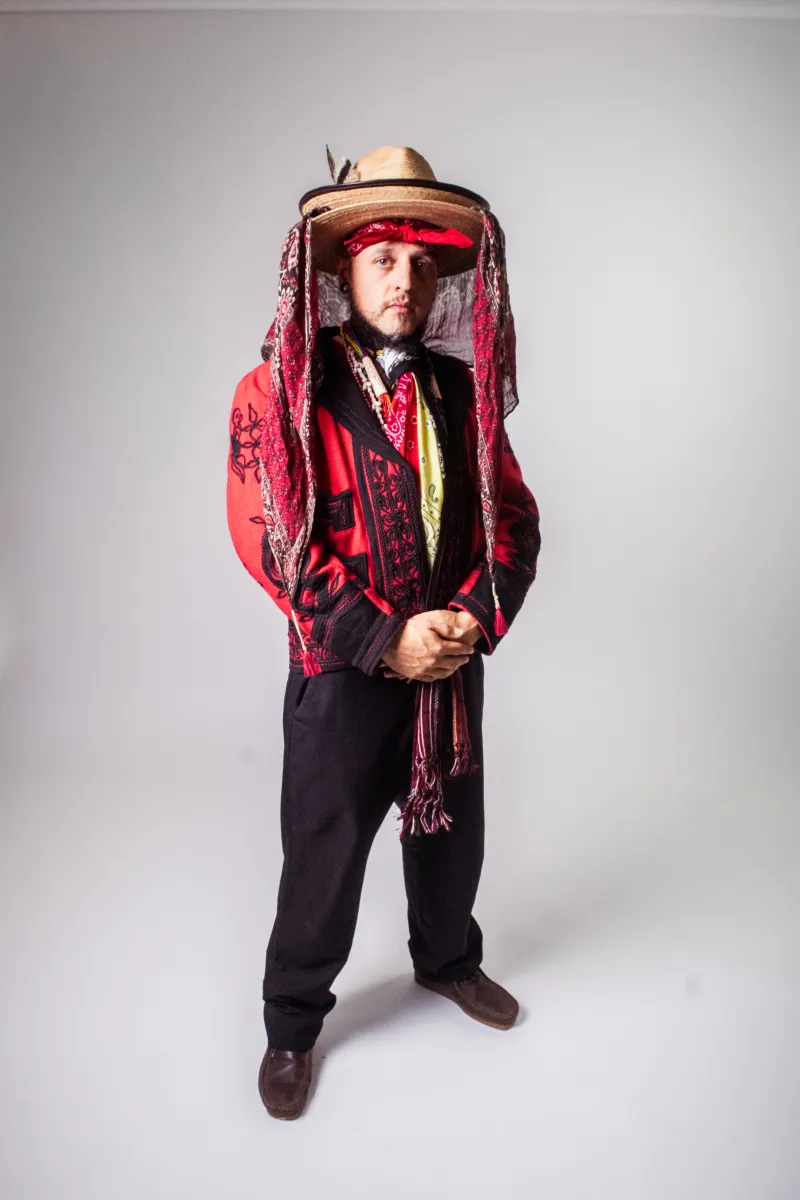
You have said that your music is a “party with a message.” How do you achieve that balance?
Being authentic. Many enter for fame or money; I entered on a mission.
Since I was a child I knew this was my thing. I’m not trying to be holy, just be real. And from there I connect with people.
After this release, what conversation do you want to spark?
That we understand that borders are imaginary, not only between countries, but between people. The Earth is our home and humanity is one family.
Plans to return to New York?
Yes. New York City was key in my path. He played inside the subway cars, especially on line 1, where people shared more. There I understood a lot about consciousness and real connection.
I’ve played places like Lincoln Center and Central Park. And we will definitely return.