
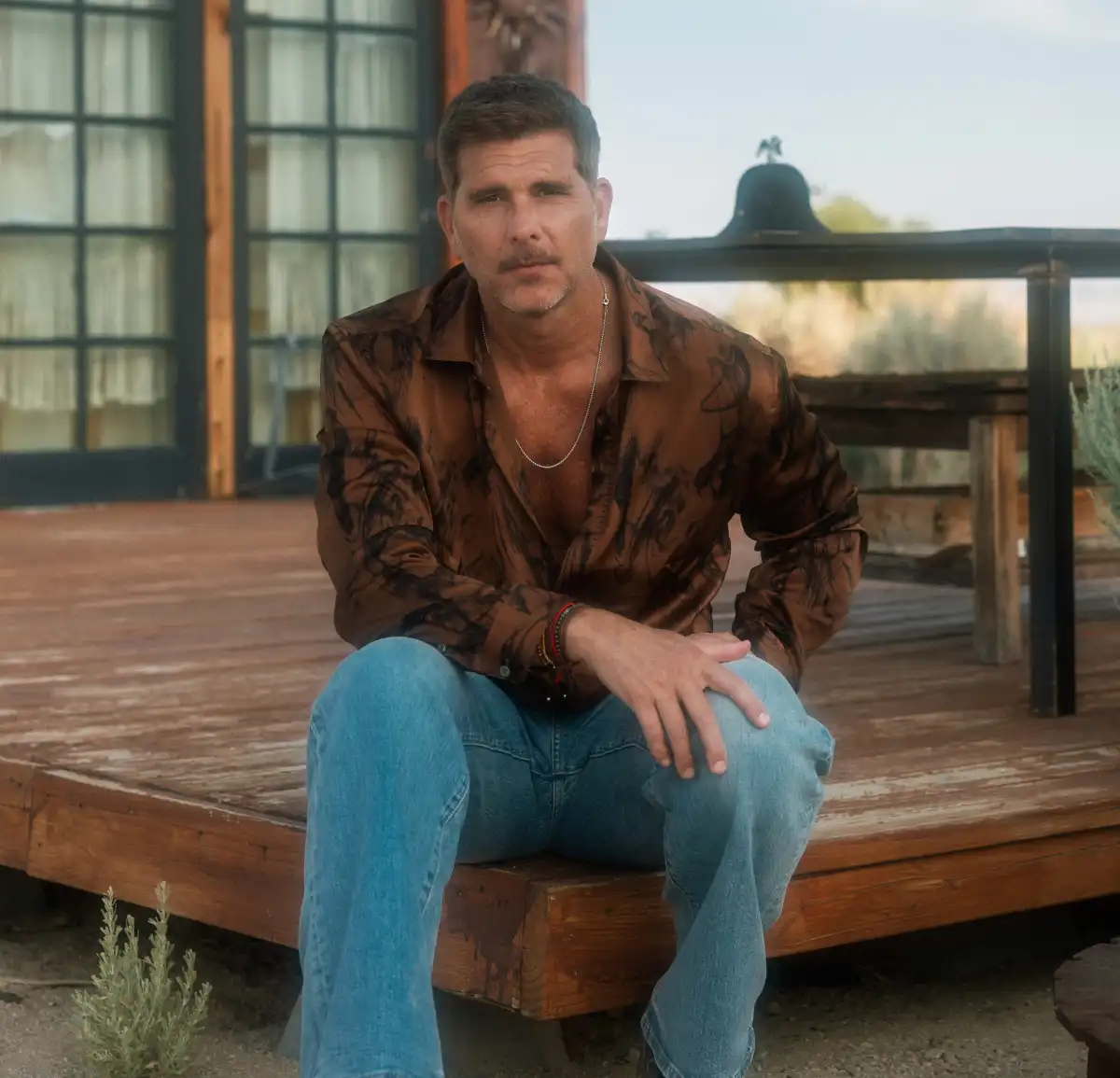
What happens when an actor who has spent decades interpreting stories decides to break the script and write his own without filters? That is the question that runs through the new creative moment of Christian Meier, who today converts his experience in front of the cameras into music full of intention, memory and freedom. With a consolidated career in acting and music, Meier appears at a stage where he no longer follows other people’s rules, but rather questions—and rewrites—his own.
His new album, Así Es La Ley, was born precisely from that reflection. Composed entirely by him and recorded in Los Angeles with producer Gustavo Borner, the project opts for an organic and direct sound, while delving into those “unwritten laws” that we all, in some way, learn to obey… or defy. The album also reveals its most intimate side, as in “Puerto de Palos”, a personal tribute to Pedro Suárez Vértiz that connects with his beginnings.
In this conversation, Meier speaks without a script: he reflects on his evolution as an actor, his creative process and the freedom that defines his career today. Keep reading the full interview and discover why this is, perhaps, his most authentic role.
“This is the law” talks about those unwritten rules that we often accept without questioning. What led you to explore that topic at this point in your life and career?
Because I am in a moment of reflection. I started to think about everything that has brought me here and I understood that, in some way, we all follow certain “manuals”: that of life, that of success, that of what we are supposed to do. But there are also times when one decides to break those rules. For every law, there is a catch… and that balance is part of the game of life.
This is your sixth solo album and was written entirely by you. What differentiates “ Así Es La Ley ” from the albums you made in other stages of your career?
Well, I think that, as time goes by, we are acquiring a certain maturity, both in life and in work experience within our field. Then, obviously, you collect more stories over time, which you can talk about, reflect on, and write music about.
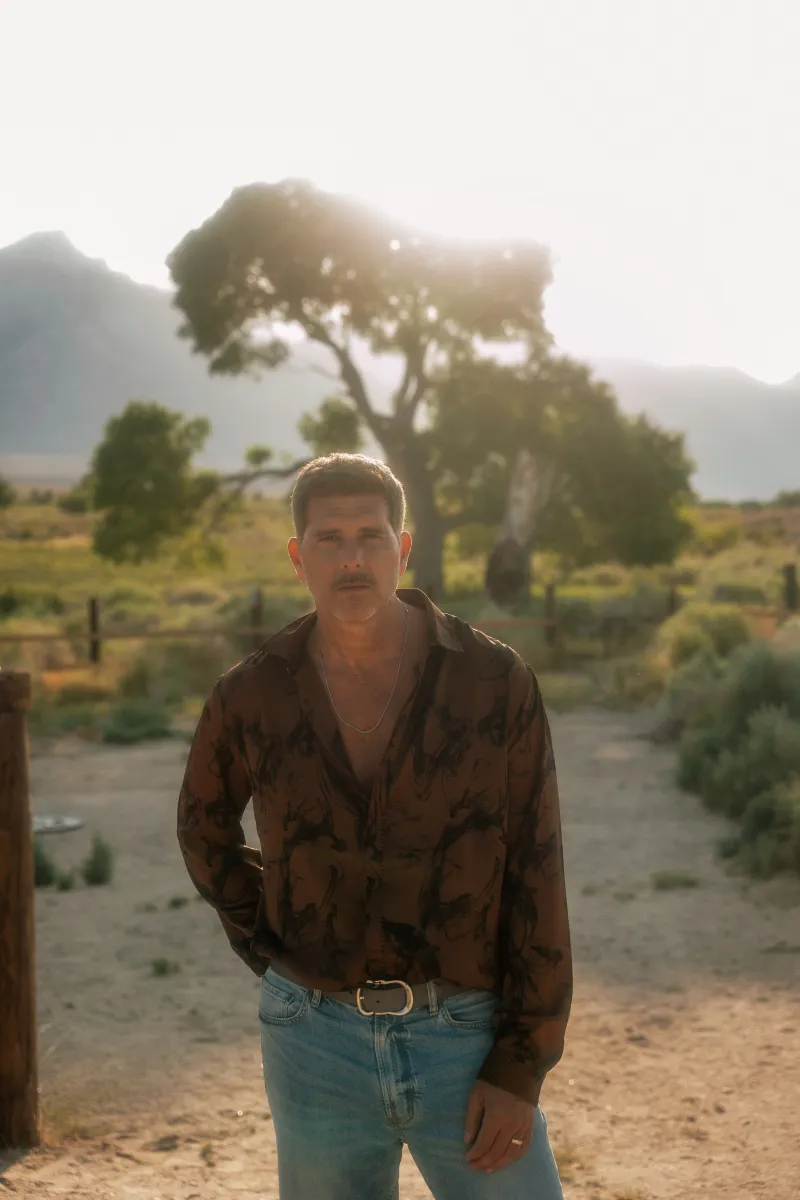
You also learn more: musical ability develops, you learn other languages, other genres, and absorb what is in the environment. I think each album defines me at a different stage in my life, and the secret has been being able to record them honestly.
In some way, I try to offer the public material that, when they hear it, they say: “This is Christian Meier in his essence.” It doesn’t matter if it’s from 2003 or 2023, but whoever follows me feels that I’m still the same artist, faithful to my essence.
I think all the albums have fulfilled that, but each one has had a different composition and production process. This one, in particular, is probably the one I’ve enjoyed the most, because it sounds exactly like I imagined it in my head. And that is something that makes me value it much more.
Over the years you have developed an important career in both music and acting. How has your experience as an actor influenced the way you perform and tell stories in your songs?
I think that, as a performer, I have learned a lot from acting when it comes to singing. And as an actor, when writing a song, I imagine scenarios in my head that allow me to explore more musically.
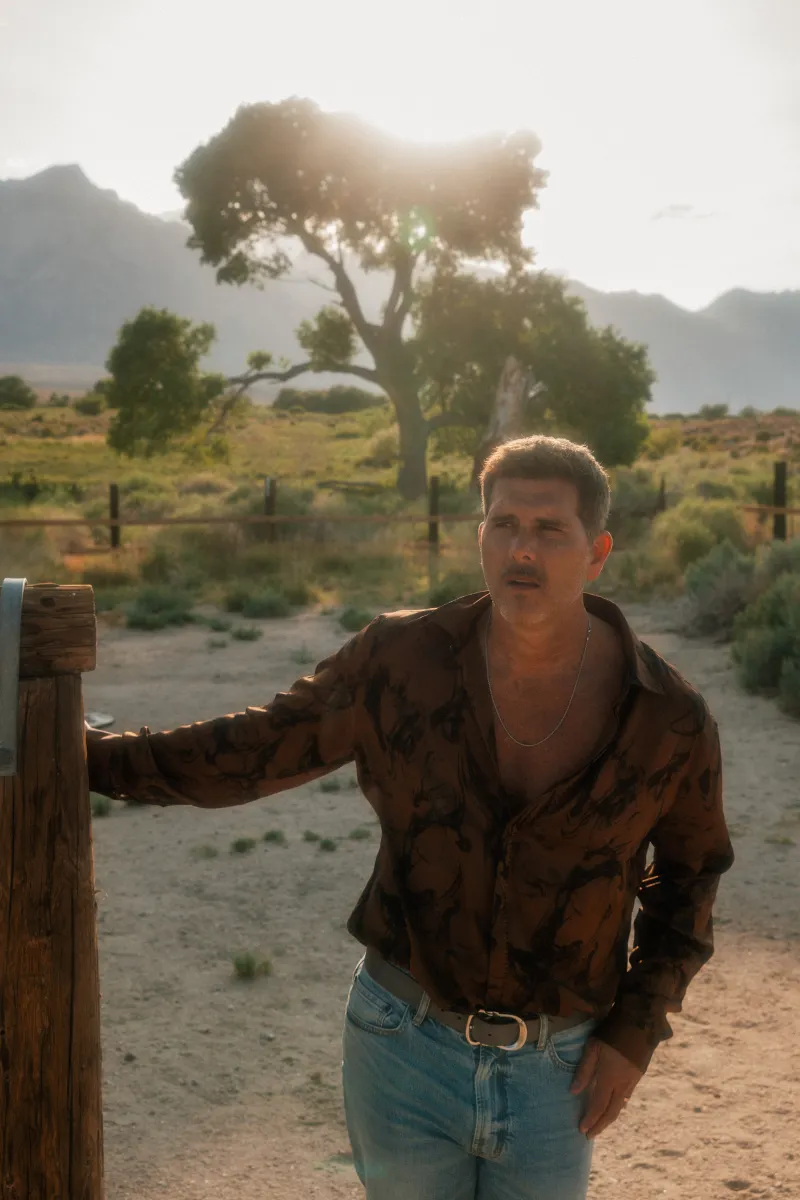
If I have a story I want to tell, my tools as an actor help me capture it more easily on the piano. It may sound confusing, but in some ways, I try to interpret the “character” of a song through music.
Additionally, my work as an actor has led me to explore other areas, such as directing. So in creating music videos, I try, as a director, to bring to the screen exactly what I imagine.
One of the unreleased songs, “Puerto de Palos”, is linked to Pedro Suárez Vértiz. What personal story did you want to preserve or tell through that theme?
“Puerto de Palos” is a song that works as a small tribute to Pedro Suárez Vértiz, a friend who died a couple of years ago. He was a very important artist in Peru, and together we started our careers when we were 17 years old, in the same band.
With this song I wanted to pay tribute, but not to the artist that people knew—the star, the idol—but to the Pedro that I knew. To the boy who lived on a street called Puerto de Palos, with his family, who played in the park across the street, and with whom we dreamed of making music.
It is a tribute to that initial moment, to that most intimate and personal Pedro, who was a fundamental part of the beginning of our careers.
Looking at your entire career—as an actor and musician—do you feel that this album represents a new stage of creative freedom in your career?
Yes, I feel that, in some way, it confirms that I am in a moment of true creative freedom. After almost 38 years in the industry, I think today I can choose which pieces I want to play with.
There are things that I no longer pursue as I did 20 years ago, when everything was more linked to success, numbers or reproductions. Today I feel much more like an artist who deeply enjoys the process of creation: when I write, when I am in the studio.
Now I don’t do it with a purely commercial objective, but from a place of personal satisfaction. And that completely changes the experience.